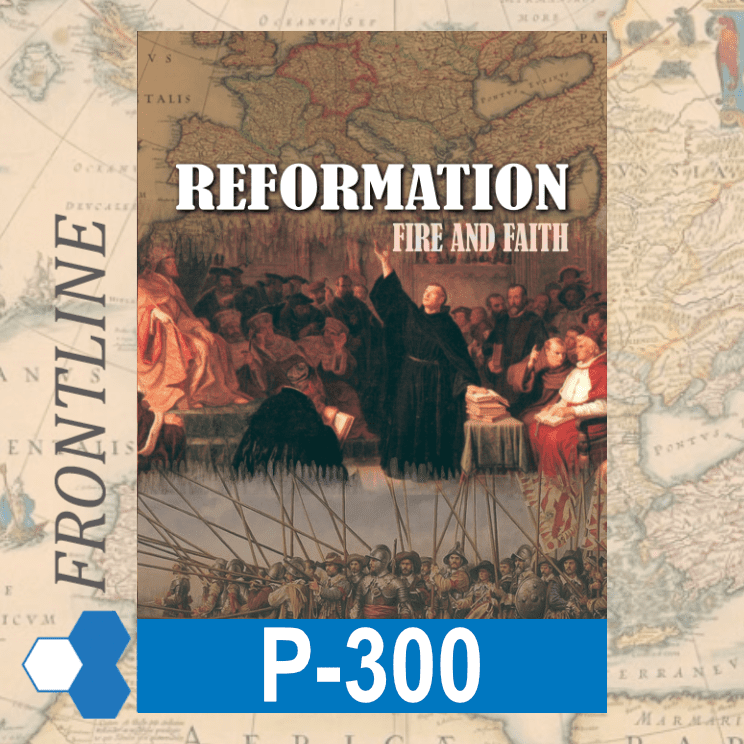
P-300 New Game! Reformation: Fire and Faith

We’re thrilled to announce a new title from Clint Warren-Davey for the Neva Wargames P-300 Program!

Many of you have asked about our focus on 1-2 player wargames, wondering, “Where are the multiplayer titles?” While we’ve announced one 1-4 player title so far, we know that’s not enough—we’re finally closing that gap! Get ready: a brand new multiplayer game is now joining our P300 program!

Artwork is provisional, and a graphic designer has yet to be assigned, but we are actively working on it. Expect more exciting news soon.

MODERN | STRATEGIC | 2-6 PLAYERS  | DURATION 60-90′
GAME DESIGN: CLINT WARREN-DAVEY

Reformation: Fire and Faith is a game about the wars and religious struggles that raged in Europe from 1517 to 1555. This time saw the Protestant Reformation sparked by the renegade monk Martin Luther and the subsequent wars of religion in Germany and elsewhere, as Christianity was shaken to its core on. It saw numerous wars between the great powers of Europe regardless of religious affiliation. The Ottoman Empire was at its height and threatened the Christian world from the south-east, while at the same time new lands were discovered in the Americas that started a race for colonial expansion. In this game, 2 to 6 players will use their Armies, Fleets, Followers and Churches in an attempt to achieve their victory conditions and attain the most Victory Points (VP). It plays in about 60-90 minutes. The rules are very simple and easy to teach as the game was originally designed for use in a high school setting by the highly experienced game designer and teacher, Clint Warren-Davey. The game includes 6 unique Factions that are all competing for dominance in their own way:

Protestants are a religious faction that will spread quickly across Germany, France, and England. Their power lies not in wealth or armies but in the growing number of followers, inspired by translated Bibles and fiery preaching. They challenge the Papacy in debate, rally believers in towns and cities, and use knowledge to build momentum, striving to reform Christendom from within.

Papacy is the spiritual heart of Catholicism, seeking to defend the old faith and counter the Protestant tide. Building churches and leading theological debates, it uses both persuasion and authority to strengthen Catholicism. The Papacy can recruit armies or fleets, when necessary, but its greatest power lies in guiding the faithful, removing heresy, and ensuring that the Church remains supreme across Europe.

Habsburgs are the mightiest dynasty of 16th-century Europe, commanding vast armies and rich fleets. Their empire stretches across the continent and beyond the seas, granting them unmatched opportunities for trade and exploration. They are staunch defenders of Catholicism, persecuting Protestant dissent wherever their soldiers march, while seeking both glory and wealth through conquest and discovery.

England is a kingdom on the rise, seeking to expand its influence at home and abroad. With fleets exploring distant oceans, it can gain wealth from discovery and piracy, especially against rivals like Habsburg Spain. England balances Catholic traditions with Protestant stirrings, wielding both persecution and reform as tools of statecraft. Its armies, fleets, and wealth all aim to secure dominance in Europe and across the seas.

France is a powerful Catholic kingdom that balances rivalry with the Habsburgs and its role as a defender of the faith. Its fleets sail outward in search of wealth and glory, while its armies suppress Protestant dissent at home. France can raid and pirate against Habsburg fleets, undermining their strength in the Atlantic. With both political and religious stakes at hand, France is torn between tradition and the winds of change.

Ottoman Empire is a formidable Muslim power on Europe’s eastern flank, threatening Christendom with vast armies and mighty fleets. Its naval strength dominates the Mediterranean, allowing it to raid Catholic shipping and undermine the Habsburgs at sea. The Ottomans care little for Europe’s religious squabbles, focusing instead on conquest, power, and wealth to expand their empire into both Europe and beyond.

Wishlist “Reformation: Fire and Faith We’re kicking off playtesting soon on our Discord server. If you’re interested in being one of the first to experience the game and help shape its development, join our Discord community here and head over to the #reformation section to let us know!
New additions “Crete” and “Cid Campeador”

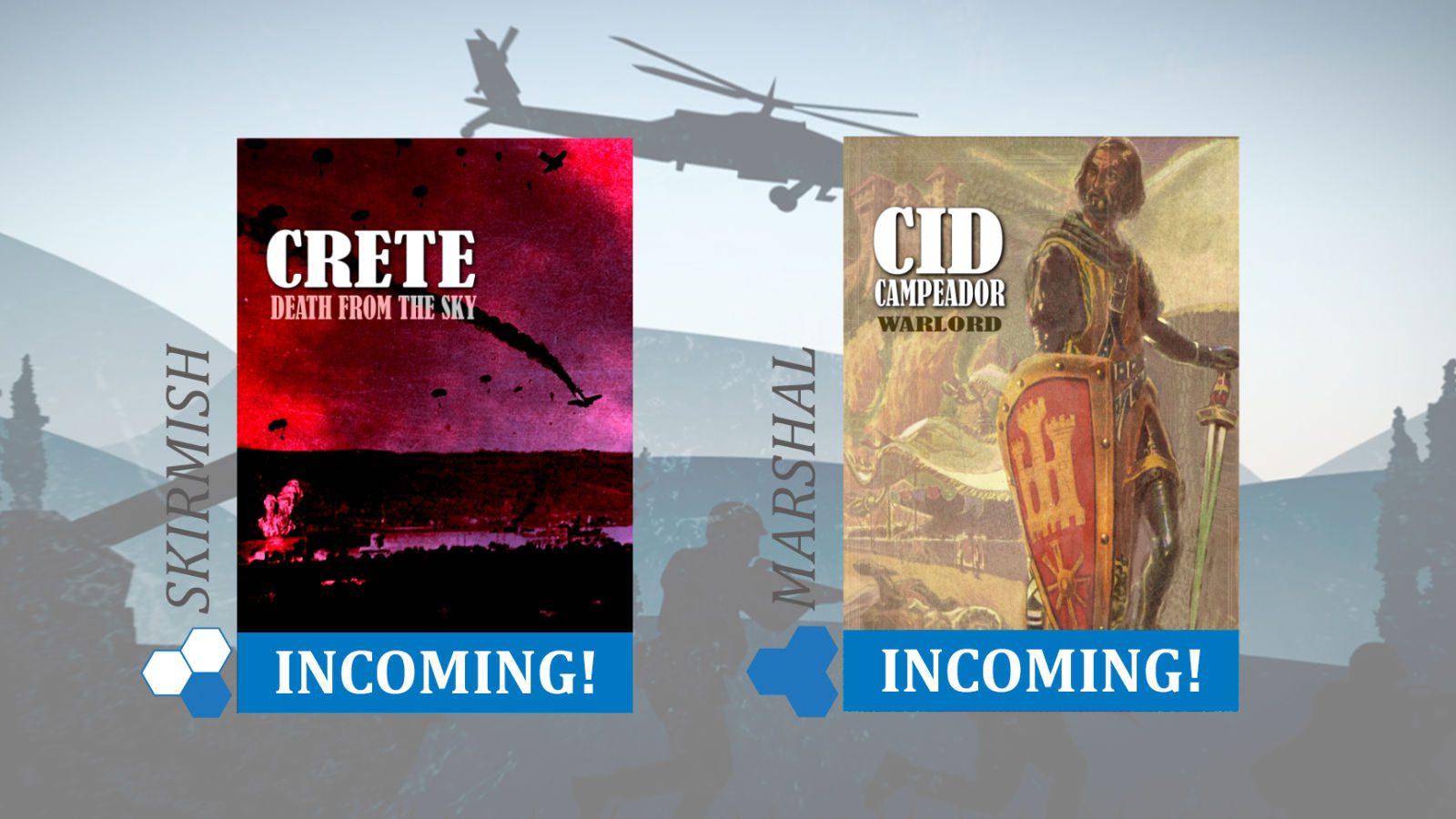
We are thrilled to announce the arrival of two exciting new games to our Incoming! system.

Book these exciting new additions now.

Booking a game is completely free.
This helps us gauge interest and ensure these games are produced.
You will only be notified for payment collection during a pre-launch phase when the game is ready for printing.
Check our pre-launch section for more information.

Crete: Death From The Sky

“Crete: Death From The Sky” by Juan Carlos Pastrana has been declared the winner of our first prototype contest held during the recent MdG Online Wargame Convention.

We congratulate Juan Carlos on this fantastic achievement!

To all aspiring game designers: Keep an eye out for our next prototype contest, which we may be repeating in the coming year.


🟦CONTEMPORARY | STRATEGIC | 1-2 PLAYERS  | DURATION 60-90′ GAME DESIGN: JUAN CARLOS PASTRANA

The Battle of Crete was a turning point. The Germans, shocked by their heavy losses, limited the use of their paratroopers to conventional infantry roles. In contrast, the Allies, recognizing the potential of these troops, integrated them into their airborne forces for future operations like Overlord or Market Garden. In this wargame, you’ll face critical decisions.

As the Axis, you must carefully select your initial targets, exploiting the element of surprise to secure airfields and ports. Effective deployment will allow you to receive reinforcements and consolidate your control over the island, preventing the Allied troops from escaping to Egypt.

As the Allies, your mission is to defend key points with tenacity, using your best units to launch counterattacks and slow down the enemy advance. Even if you lose Crete, you still have a chance to achieve victory by evacuating troops to Egypt and inflicting heavy losses on the enemy.

Can the Axis conquer Crete without sacrificing their valuable paratrooper division? Or will the Allies manage to resist and change the course of the war?

Cid Campeador: Warlord

A new game by José Manuel Neva. Immerse yourself in the epic saga of El Cid and experience Moorish Spain during his legendary exploits.

🟩 MEDIEVAL | STRATEGIC | 1-4 PLAYERS | DURATION 180-300′
GAME DESIGN: JOSE MANUEL NEVA

Cid Campeador: Warlord is a strategic-level wargame set in the tumultuous Moorish Spain of the late 11th century. Players step into the shoes of iconic figures from the era, vying for supremacy on the Iberian Peninsula. The game spans the dramatic 15 years from 1085 to 1099, a period marked by El Cid’s exile, the expansion of Christian kingdoms, and the growing influence of the Almoravids.

Four asymmetric factions offer distinct gameplay experiences:

– El Cid Campeador: A formidable warlord, free to offer his services to the highest bidder, influencing the course of the conflict.
– Christian Kingdoms: Expanding northward from the peninsula, conquering Taifa territories.
– Taifa Kingdoms: Struggling to maintain independence amid internal strife and external threats.
– Almoravids: Invading from North Africa, aiming to conquer the southern regions.

Cards are the game’s lifeblood, granting players initiative, operation points, and the ability to trigger game-changing events. Treasure, acquired through conquest and plunder, provides additional benefits. Player interaction is intense, with strategic alliances, betrayals, and direct confrontations shaping the outcome. Fate cards add an element of chance and unpredictability.

While designed for four players, Cid Campeador: Warlord can be enjoyed with fewer. The AI takes control of absent factions, ensuring a challenging experience for solo or two-player games.

Victory is determined by accumulating the most victory points, earned through territorial conquest, strategic objectives, and controlling key locations.

Game Turn Structure:

1 Administrative Phase: Manage internal affairs and prepare for the turn.
2 Diplomatic Phase: Form alliances, declare war, and negotiate treaties.
3 Initiative Phase: Determine the order of player actions.
4 Action Phase: Execute military campaigns, develop territories, and play cards.
5 Maintenance Phase: Manage resources, replenish forces, and prepare for the next turn.

Experience the epic struggles of medieval Spain in Cid Campeador: Warlord.

We will be providing regular updates on the progress of these two exciting new game additions in our monthly newsletters.

Don’t forget to book the games you’re interested in through our Incoming! system.

November 2024 Update

Deck the halls! November is flying by, and the holiday season is just around the corner. Let’s take a look back at the month’s highlights and get ready to celebrate.

Sea & Steel Crowdfunding Campaign:

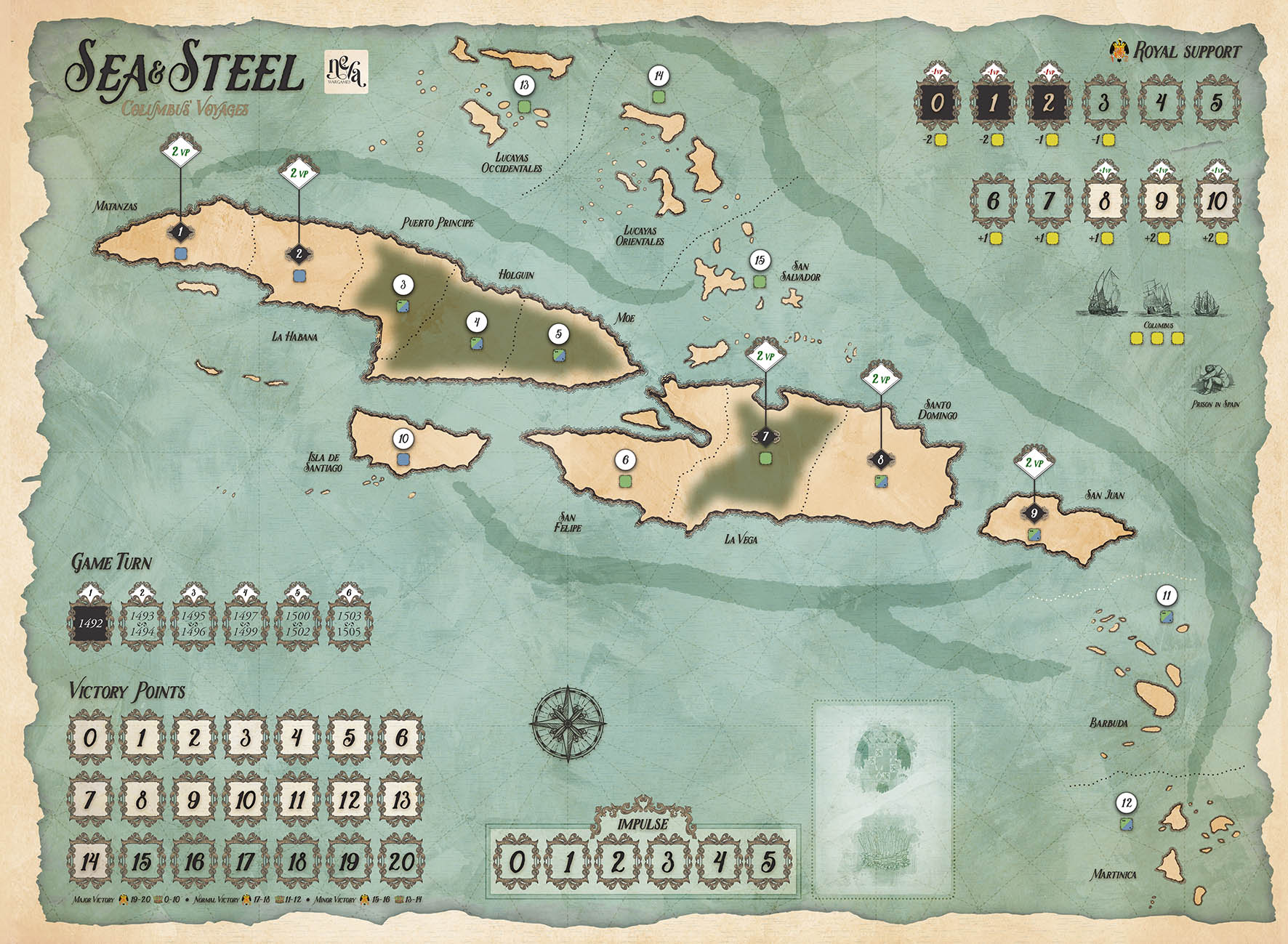
The Sea & Steel game board is shaping up beautifully. We are in the final stages of perfecting the cards, player aid sheets and rulebook.

We’re committed to providing the best possible user experience. Your feedback helped us improve the map by making it larger and rectangular. Thanks!

We’re excited to share the final design of the counters. We hope you like them as much as we do!

Sea & Steel: Columbus’s Voyages is coming to Gamefound! Join our preview campaign now to show your support and be the first to know about our official launch. We’re hard at work finalizing the game and preparing an unforgettable crowdfunding experience. Stay tuned for exciting updates and the official campaign launch date!


Collaborations:

Last call to get your ticket for MdG24 Online Wargames Convention (organized by the Mesa de Guerra team). This is an event tailor-made for all of us, bringing us together from our homes through technology!

We know that in-person conventions have their magic (and we don’t want to change that!), but with MdG24, we’re opening a new door for those who want to enjoy everything wargaming has to offer without leaving their favorite armchair or having those conversations that might not happen at a physical convention because we’re too eager to play.

WHEN?
Thursday, December 12th to Sunday, December 15th, 2024.

WHERE?
Exclusive Discord server for the MdG24 Online Convention.

REGISTRATION
Standard Ticket: €10
Game Designer-Publisher Ticket: €5
Registration link: https://mesadeguerra.com/mdg24-online/

NEVA WARGAMES SCHEDULE:

THURSDAY 12th
1. XMAS PRESENT: We have a top-secret welcome gift for all attendees! Check our official publisher section on the MdG24 Discord server for the big reveal.

SATURDAY 14th
1. (1000-1130 GMT+1) Rebellion & Punishment: War Of The Alpujarras. Demo.
2. (1200-1330 GMT+1) Spartacus: Rome Under Threat. Demo.
3. (1600-1730 GMT+1) Sea & Steel: Columbus’ Voyages. Full 2-player game demo.
4. (1800-1930 GMT+1) Sea & Steel: Columbus’ Voyages. Full 1-player game demo.
5. (2200-0000 GMT+1) Xmas Special: Get ready for our exciting collaboration with other publishers! We’ll be unveiling our 2025 forecast as part of this special program.

SUNDAY 15th
1. (2330-0000 GMT+1) Announcement of the 1st Prototype Contest Winner


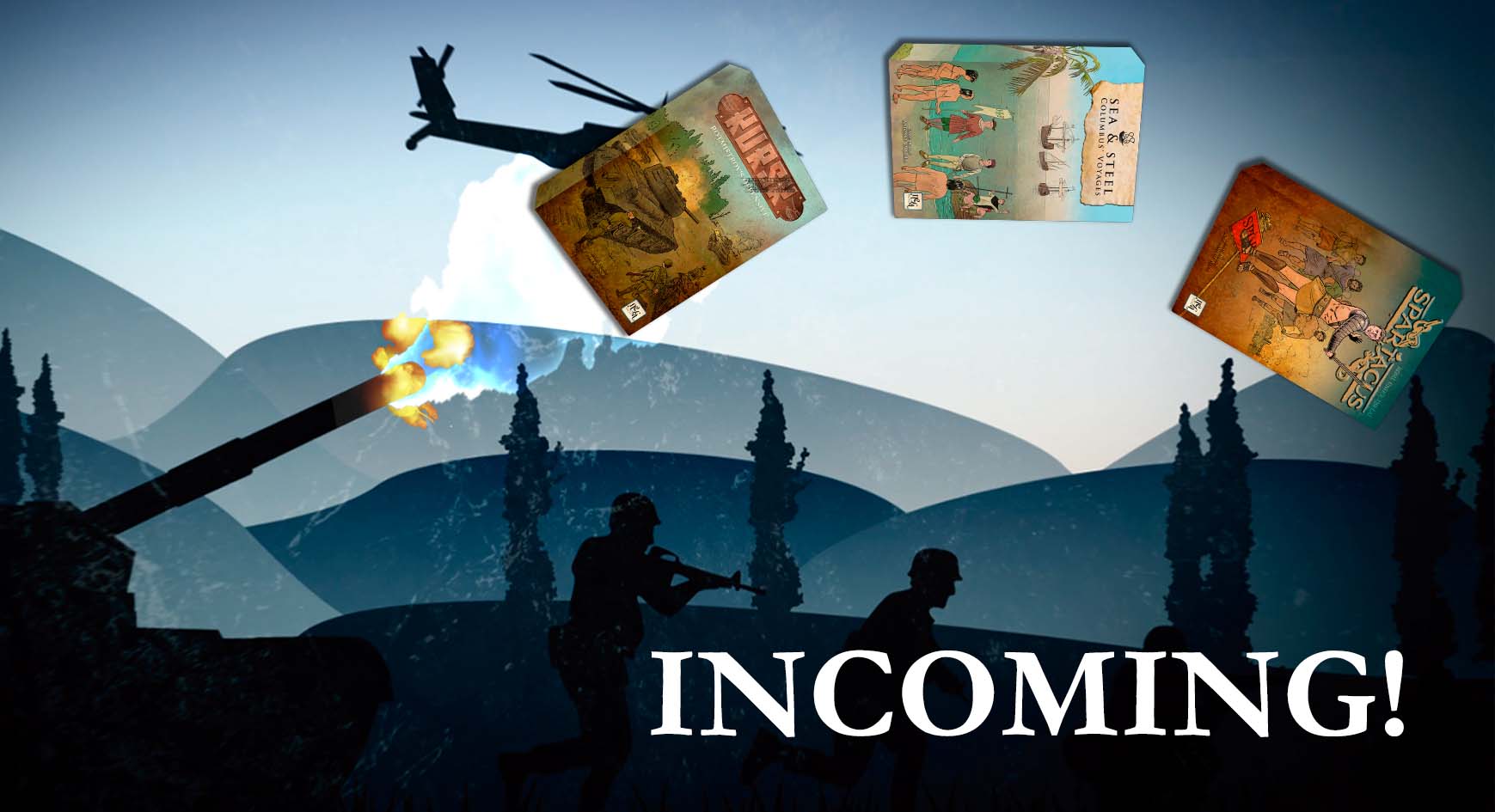
INCOMING!

Support the games you’re most excited about by signing up and adding them to your wishlist. The most wishlisted titles will climb the development queue, meaning you have a direct impact on our release schedule!

Note: All images shown for upcoming titles are provisional. Final artwork will be revealed as the games progress to later development stages.

Now, let’s dive into the current status of each project, listed in order of wishlist popularity and development status. Remember, a project won’t be ready for a Gamefound campaign until it reaches 90-100% completion.

Spartacus: Rome Under Threat
Game Overall Status: 80%

We’re excited to announce that Prototype version 5 is complete! This means the final playtesting wave is imminent. Additionally, our new solitaire mode is in the works and is expected to be finished by December.

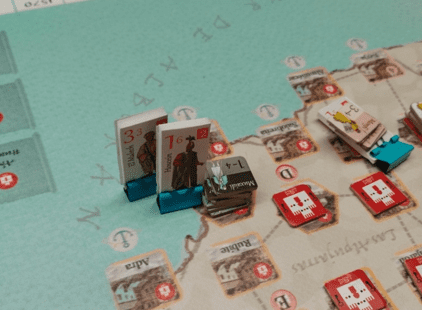
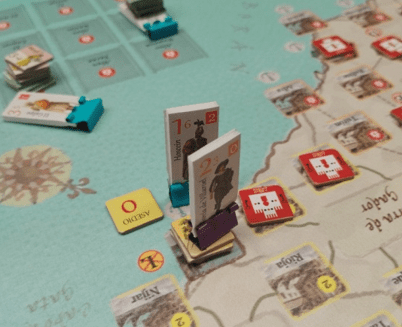
Playtesting session with the physical prototype.

Kursk: Rotmistrov’s Offensive
Game Overall Status: 60%

We’ve been busy preparing our first two crowdfunding campaigns, so development on the game has slowed down this month. We’ll be back to full speed soon for the final development phase before release.

Initial setup (12th July 1943 scenario) Prototype version.

Rebellion & Punishment: War Of The Alpujarras
Game Overall Status: 25%

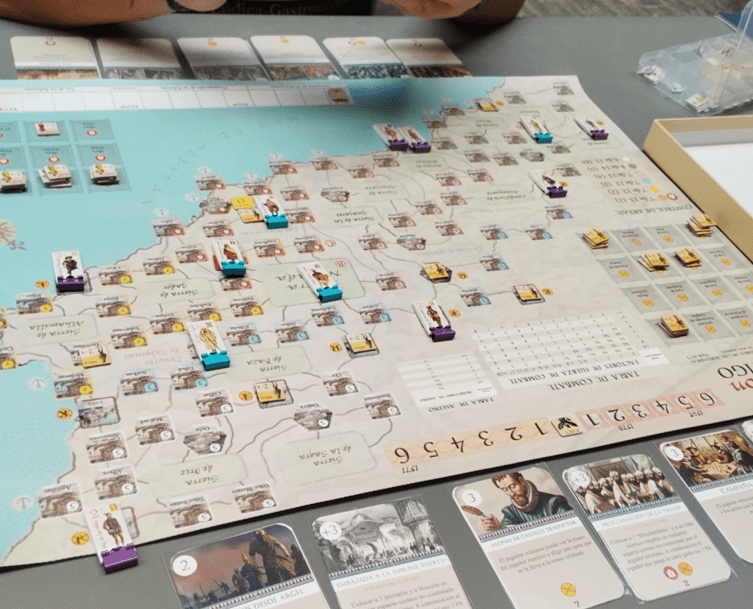
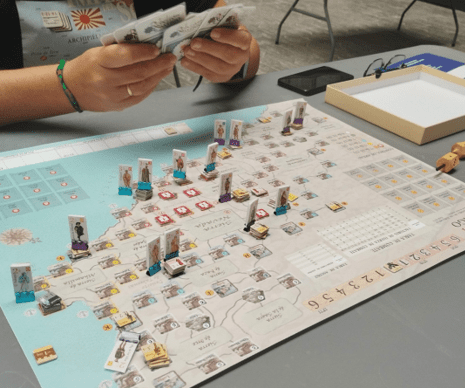
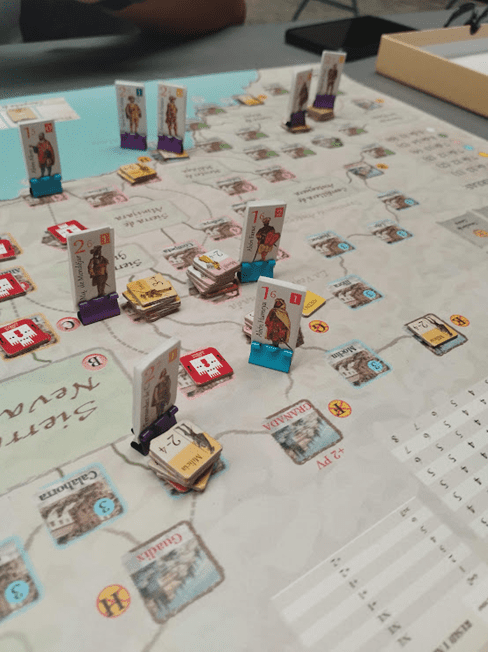
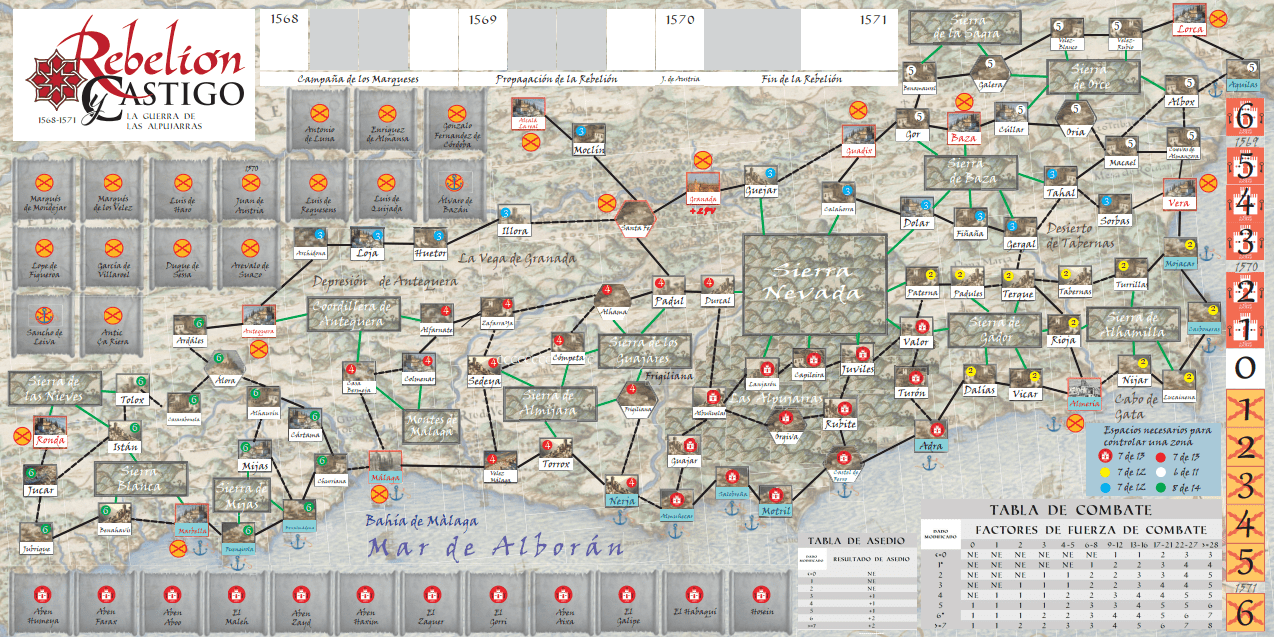
Fran Mariscal has assembled a large group of playtesters. Multiple playtesting sessions are currently underway using the Vassal module. Full steam ahead!

First prototype version

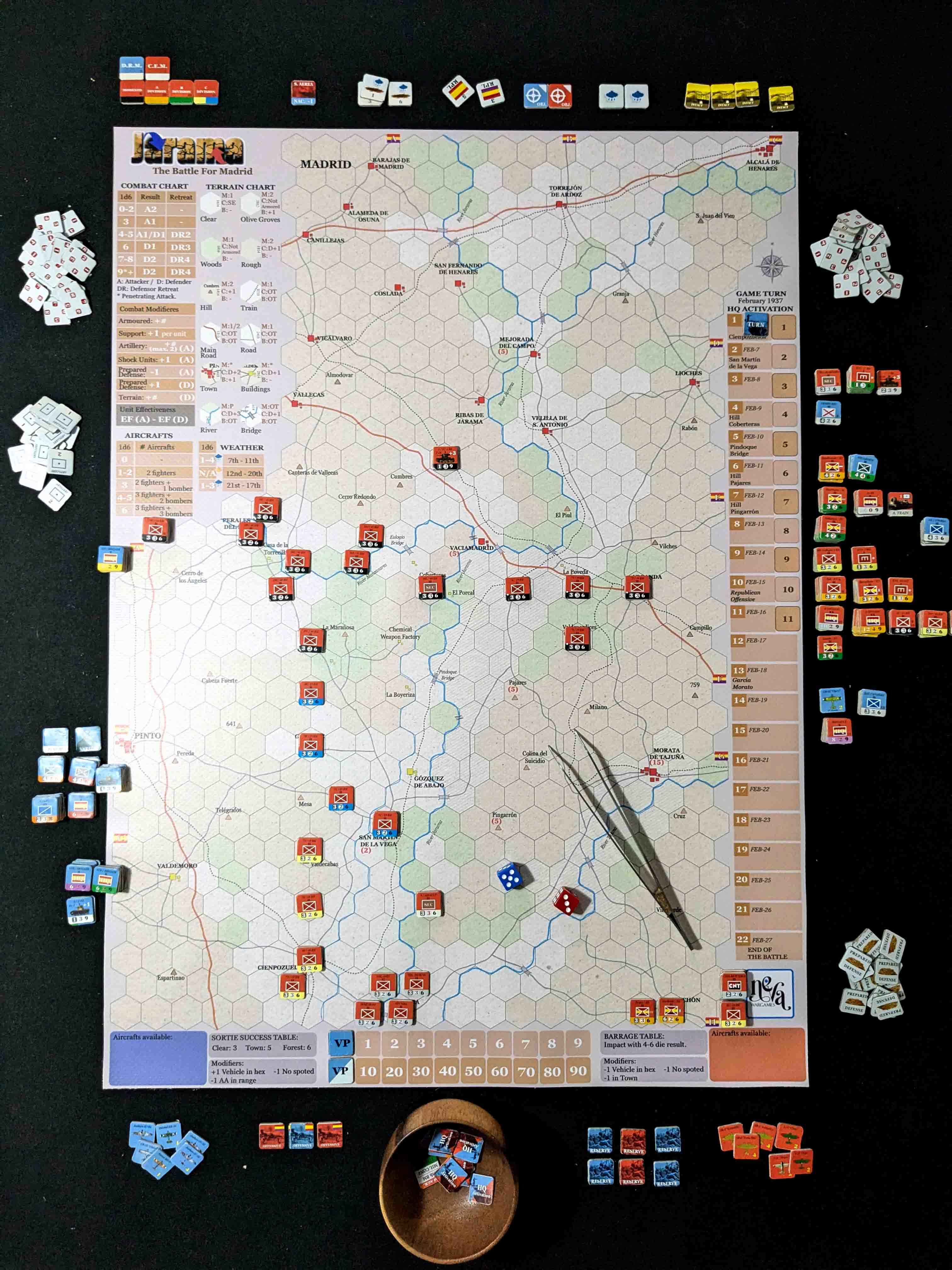
Jarama: The Battle for Madrid
Game Overall Status: 20%

Our game designer has been fine-tuning the game ahead of playtesting. Jesús Pérez will continue working on his game throughout December to begin vassal playtesting soon.

Prototype version.

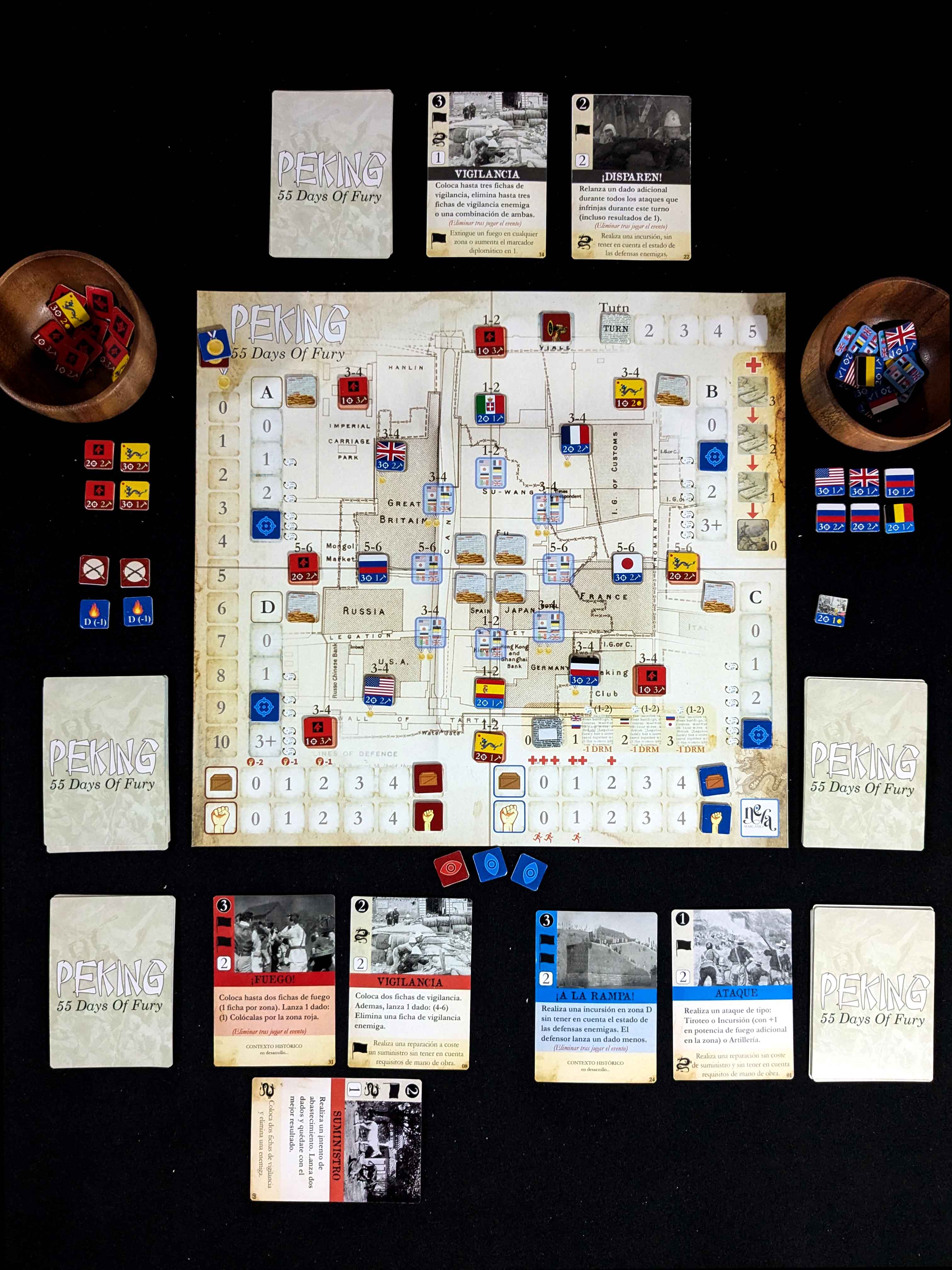
Peking: 55 Days Of Fury
Game Overall Status: 15%

We’re excited to share more details about this game in the near future. The designer is currently focused on implementing the core gameplay system.

Prototype Version.


Thank you for following our progress in November. Stay tuned for more updates!
Got questions? Leave a comment below!
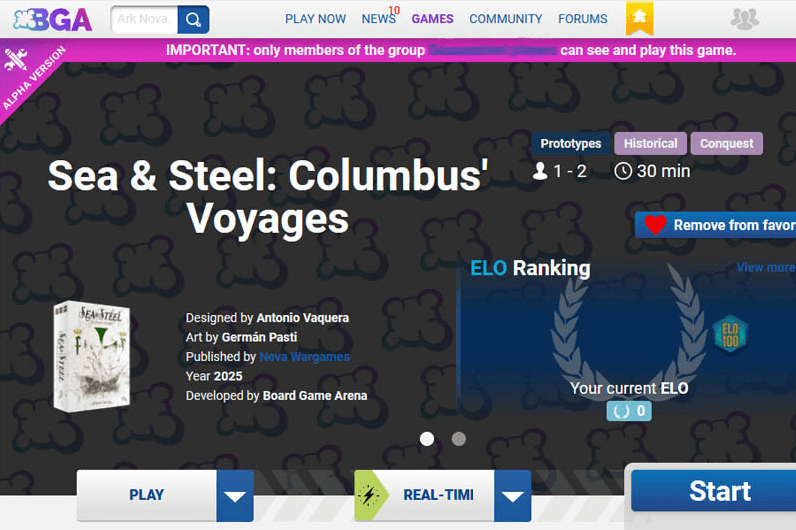
Be an Early Player! Sea & Steel BGA Alpha Testing

This is exciting news! We’re thrilled to announce that we’re developing a Board Game Arena version of Sea & Steel: Columbus’ Voyages, and we’re inviting our campaign preview followers to participate in a limited-time closed alpha test.

Experience Sea & Steel: Columbus’ Voyages before anyone else and share your valuable feedback with us. Additionally, we’ve included the BGA version as a stretch goal in our campaign preview – if everything goes smoothly, the final digital version will be launched within six months after the physical copies are shipped. Our priority is to ensure that all backers receive their physical copies first while also having the chance to play online.

What do you need for joining?
1) Have a BGA account.
2) Follow the Sea & Steel Campaign Preview.

We’ll notify you as soon as everything is ready. Can’t wait to share more!

Rebellion & Punishment at Pax Lúdica

As an author, I couldn’t be happier and more satisfied with the experience at the Pax Lúdica event in Cádiz. Many people gathered to learn about the game, eager to have the mechanics explained, and we hosted games every day throughout the event.

Rebellion and Punishment: The War of the Alpujarras” is a historical simulation game featuring a card-driven engine that recreates the events of the rebellion led by the Moriscos, the descendants of the former Muslim inhabitants of the Nasrid kingdom of Granada, against the Catholic Monarchs’ attempt to impose complete cultural assimilation under Philip II.

The Moriscos planned to revolt on January 1, 1569, coinciding with the anniversary of the Christian troops’ first entry into Granada. They intended to present themselves in the city with 8,000 warriors disguised as Turks to set ablaze the Albaicín district, where the Morisco population resided within the city’s walls.

However, the uprising erupted spontaneously and uncontrollably by the rebel leaders during Christmas of 1568, leading to the failed attempt to seize Albaicín. Granada remained safe, but various towns in the Alpujarras rose up, marking the beginning of a brutal and relentless war that put the Hispanic monarchy of Philip II on the brink. Fernando de Valor, a descendant of the ancient Umayyad dynasty that once ruled the Caliphate of Córdoba, proclaimed himself king of the Moriscos as Aben Humeya.

At that moment, the game began, with several towns in the Alpujarras revolting after the failed coup attempt in Granada, and the leaders and rebel forces quickly spreading the rebellion throughout all the towns they encountered.

The number of soldiers available from the royal army was very limited; most of the quality troops were in Flanders fighting against the Protestant Orangists or in Italy, holding back the Turks. The only forces at hand consisted of local militias, some veteran soldiers from the tercio close to retirement, tasked with garrisoning coastal defenses against incursions from North African pirates, and little else.

While the Morisco troops are comprised of Monfíes, guerrillas who have spent decades practicing banditry and resisting Castilian forces, the Gandules, ancient municipal militias of the Kingdom of Granada, organized by neighborhoods around mosques, will soon be joined by Berbers from North Africa sent by Ali Pasha. These Mujahideen will come to fight for the defense of Islam, accompanied by expert military advisors and elite troops of Janissaries dispatched by the Turkish Sultan.

Aben Humeya emerges with his troops in Juviles, while Aben Aboo lays siege with his forces to a small garrison that has managed to barricade itself in the tower of Órgiva. Aben Farax, the most combative leader at the forefront of the feared Monfíes, waiting for his opportunity in the Sierra Nevada after hastily retreating from Granada. El Galipe leads the uprising in Malaga and El Gorri in Almería, in the Andarax valley.

In this initial phase of the war, known as “The Marquises’ Campaign,” the repression of this uprising is handled by two nobles embroiled in long-standing family feuds stemming from the Castilian civil war between the Beltranajosos and the Isabelinos. On one side is the Marquis of Mondejar, General Captain of Granada and a member of the Mendoza family, who holds a more negotiable and conciliatory approach. On the other side is the Marquis of Los Velez, from the Fajardo family, who receives a letter from Philip II instructing him to prevent the spread of the rebellion to Eastern Spain from Murcia, and to suppress the attempts at rebellion in neighboring Almería as best he can.

Each player draws seven cards from the unique game deck and plays six impulses, with the option to keep one card for the next turn; if they do, they will only draw six cards this time.

During the first turn, set during the Christmas of 1568, the Morisco player has the initiative and plays first. Their opening card is a mandatory initial event: the coronation of Aben Humeya as king of the Moriscos, followed by the use of action points. With these points, the Morisco player can activate their leaders, spending activation points equal to their leader’s strategic capacity. Leaders have three strategic capacities: 1, 2, and 3. The lower the value, the better the leader, requiring fewer action points to activate.

At the game’s start, most populations are not in rebellion; only seven villages in the Alpujarras, one in Málaga, and another in Almería in the Andarax valley are. The rest, in theory, remain loyal to the crown, with the population torn between the desire for rebellion, fear of repression, and some truly loyal subjects who wish to remain uninvolved in the uprising.

When the rebel troops entered a village, they gathered the inhabitants in the plaza, burned churches, and ruthlessly pursued old Christians and the religious, compelling the population to join them. Many willingly joined, but others had no choice but to comply.

In the game, when a Moorish troop enters a settlement, it spends an additional movement point to incite an uprising and join the rebellion. Conversely, when a royal troop enters a rebel settlement, it also expends an extra movement point to quell the uprising. If troops from both sides are present in a settlement, an armed confrontation occurs; the victor of this battle automatically gains control of the settlement.

Soon, the long-awaited North African and Turkish aid arrives on the shores, consisting of mujahideen summoned to defend the Islamic faith and Janissaries led by the Turkish captain Hosein.

The city of Almería is soon besieged, with its garrison under the command of García de Villarroel desperately calling for aid from both the Marquis of Mondejar and the Marquis of Vélez.

During the initial phases, the Moorish rebellion spreads rapidly, successfully laying siege to and capturing significant cities such as Málaga and Almería. Consequently, the Victory Points quickly shift in favor of the insurgents.

Aben Aboo and El Galipe await from within the walls of the city of Málaga, recently taken by the Moriscos, for the arrival of Antonio de Luna and his troops. Meanwhile, Aben Humeya is stationed in Alfarnate.

At the end of each turn, there is a rebellion expansion phase where the Morisco player rolls a die. This determines a population within the region rolled at random, where they can spontaneously deploy a troop of gandules.

Two of the most charismatic and well-known Christian leaders, both with extensive military experience, arrive in the conflict zone: Luis de Recasenz and Álvaro de Bazán, accompanied by seasoned tercio units from Italy.

At the start of each turn, a die is rolled to determine which player has the initiative and plays their cards first. The player who did not have the initiative in the previous turn receives a +1 bonus to their die roll for this determination.

Ultimately, to summarize, the games played during the Pax Lúdicas featured numerous remarkable circumstances, some epic in nature, such as Aben Humeya’s attempted siege of Granada, taking advantage of the Marqués de Mondejar’s army being engaged in the Alpujarras, or the glorious defense of Lorca by the Marqués de Mondejar, who, without any troops—only the garrison—staunchly resisted Aben Farax’s assaults until the latter was forced to retreat with the arrival of Christian reinforcements, failing to capture the Murcian city. There was also the Conquest of Málaga by Aben Aboo. The players thoroughly enjoyed these scenarios, and I relished teaching them. I look forward to sharing ongoing developments in the game’s progress, along with the upcoming testing sessions.

My heartfelt thanks to Pedro Mayorga, Manuel Sancho, Raúl Nuñez, José Martinez, and José Antonio Polo for dedicating their time during the event to play Rebelión Y Castigo and for their consistently positive and constructive contributions to its enhancement. Special thanks to Francisco Javier from In Ludo Véritas for his support, as well as José Manuel Neva for believing in the development of this game, and to Sergio and his fellow Pax Lúdica members for their tireless efforts organizing the Cádiz event, which benefits all wargaming enthusiasts. A big hug to all!

Fran Mariscal.

Sea & Steel: Columbus’ Voyages Gamefound campaing preview

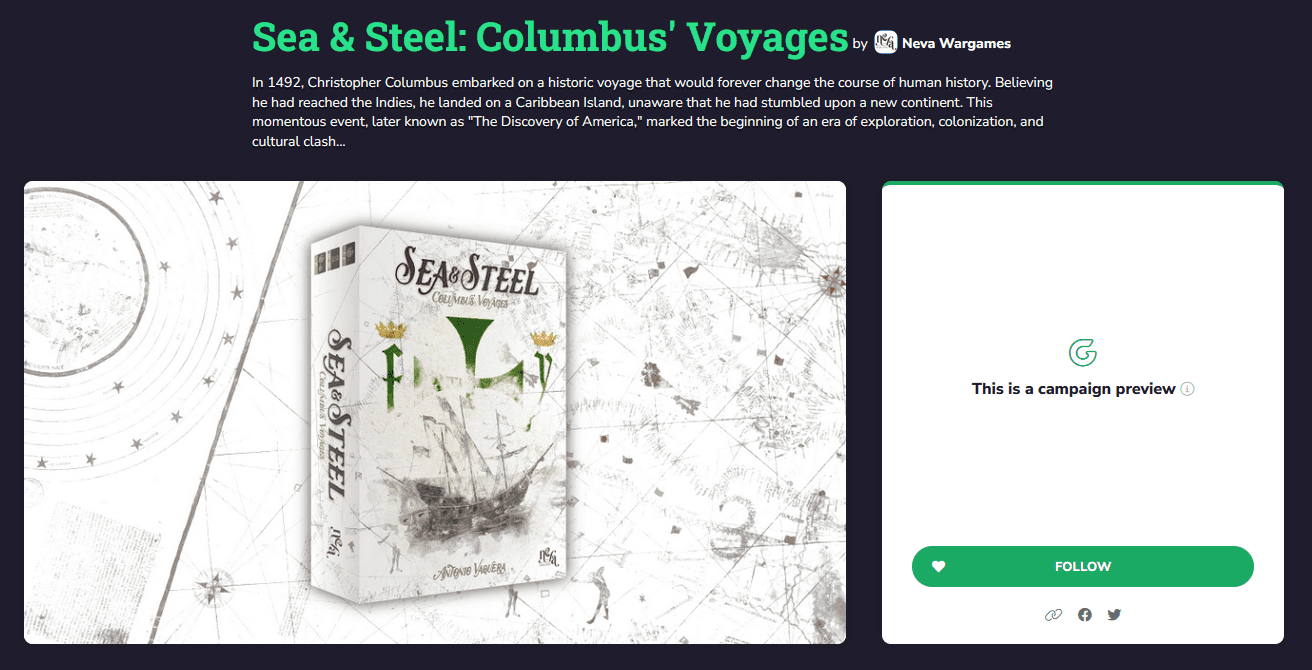
We’re thrilled to announce that our debut game, Sea & Steel: Columbus’ Voyages, is launching its Gamefound campaign preview! Get a sneak peek at our stunning final game box and a brief overview of this exciting new adventure coming soon in both English and Spanish editions. Each version will be housed in its own beautifully designed box.
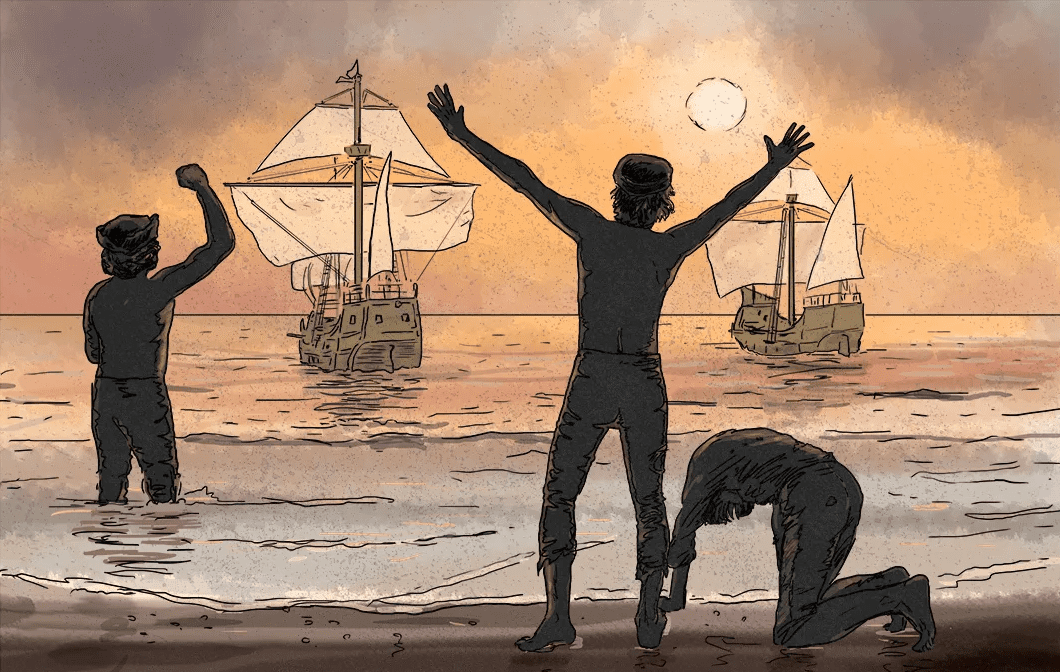
To stay updated on the latest news, images, and videos, be sure to follow our project on Gamefound.

This is just the beginning of our journey. We have more games in the pipeline, and we can’t wait to share them with you. Your support means the world to us! Help us spread the word and get ready to set sail with Columbus!
More details coming soon!

“Rebellion & Punishment” new title arriving to our Incoming! section

We’re excited to announce a new addition to our game collection!
This title is still under development, but we expect to have it ready for publishing soon. Stay tuned for more information! Don’t forget to subscribe for updates.

🟥MODERN | STRATEGIC | 1-2 PLAYERS  | DURATION 120-180′
GAME DESIGN: FRAN MARISCAL

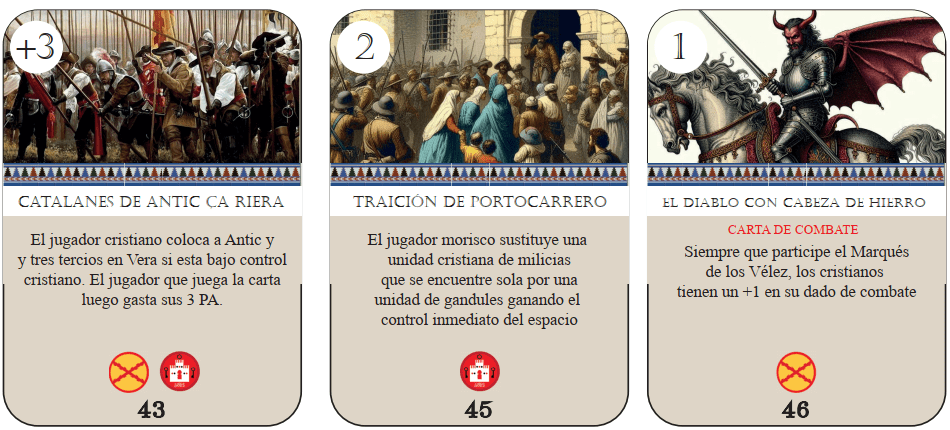
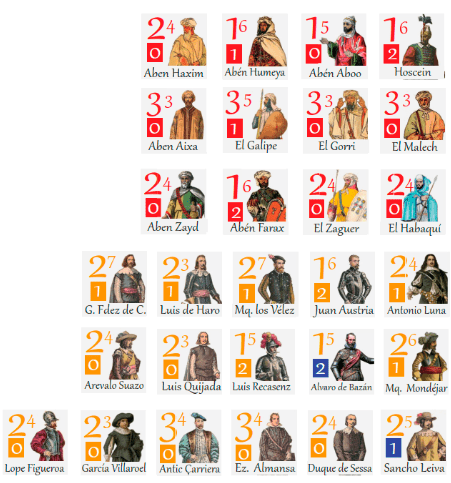
All samples below are from playtest graphics, not final game art.

REBELLION & PUNISHMENT: WAR OF THE ALPUJARRAS

The path to the War of the Alpujarras (1568-1571) began with the conquest of the Kingdom of Granada by the Catholic Monarchs in 1492. Decades of tensions and the forced assimilation of the Moriscos culminated in the 1568 rebellion, aimed at reestablishing a Muslim kingdom in southern Spain.

In December 1568, Hernando de Valor, a descendant of the Umayyads, adopted the name Aben Humeya and was proclaimed king of the Moriscos. Despite attempts such as the uprising in the Albaicín district of Granada, the war spread rapidly throughout the former Nasrid kingdom.

“Rebellion & Punishment: The Alpujarras War” is a card-driven strategy game that recreates the war between the rebel Moriscos who attempted to re-establish the Muslim Kingdom of Granada and the Christian troops of the Kingdom of Spain who fought to prevent it.

Cards are played as Action Points or as Events, allowing players to advance across the terrain or perform actions specific to their faction.

The game map reproduces the entire territory of the former Nasrid Kingdom of Granada and includes the areas where uprisings and battles took place.

Among the Morisco troops are the Monfíes, Muslim bandits who did not accept the Nasrid surrender and had been waging a guerrilla war in the Sierra Nevada mountains for decades, and the Gandules, militias of young men who organized around the mosques. Later, they received help from Turkish Janissaries and Berber corsairs, and even Mujahideen arrived to fight in the Holy War against the Christians.

Meanwhile, fearing Ottoman expansion and a new Muslim kingdom, Philip II sent his half-brother, Don Juan of Austria, to suppress the rebellion. The conflict turned into a civil war that pitted Christians against Muslims, with the participation of Spanish tercios, Berber corsairs, and Ottoman soldiers.

Will you become Don Juan of Austria, defending Christian Spain for King Philip II? Or will you embrace the mantle of Aben Humeya, striving to restore a Muslim kingdom on the Iberian Peninsula? The fate of the Alpujarras rests in your hands.

Help Rebellion & Punishment succeed by signing up on our website and adding the game to your wishlist! This small act shows your interest and lets us know there’s excitement for this title.

Sea & Steel – History – Part 4 of 4

Antonio Vaquera is back with the final chapter in our historical deep dive for Sea & Steel: Columbus’ Voyages.
Catch up on the series here:
Read part 1.
Read part 2.
Read part 3.

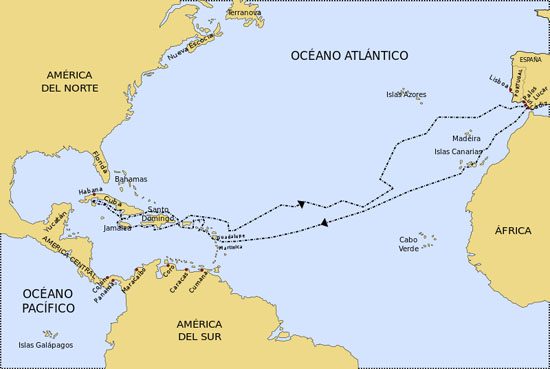
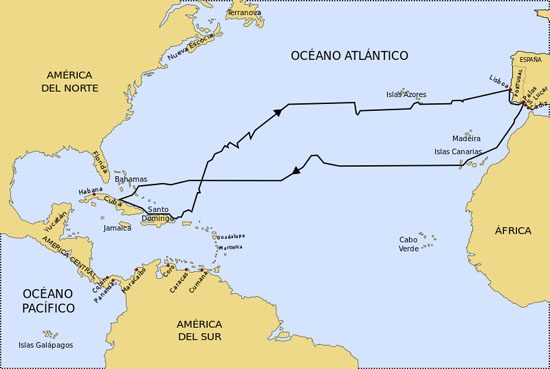
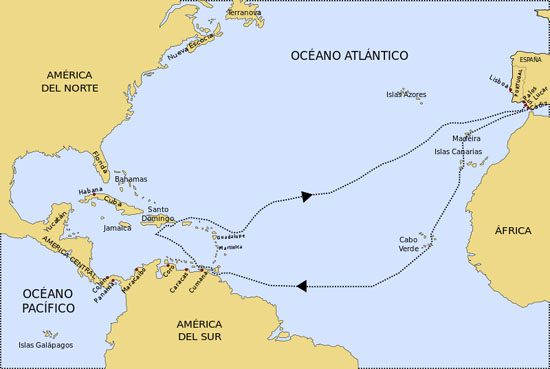
Map of the fourth voyage (Virtual University Miguel de Cervantes)

Fourth Voyage (1502-1504)

Columbus was 51 years old, which made him old for the time, and he suffered from gout and arthritis. He set sail with a fleet of two caravels and two ships. The monarchs agreed to finance the fourth voyage on condition that he never set foot on the island of Hispaniola again.

They departed from the port of Seville on April 3, 1502, and arrived in Santo Domingo, on the island of Hispaniola, on June 29. However, the new governor, Nicolás de Ovando, forbade them to disembark, following the orders of the monarchs. So, he sailed to Jamaica to resupply and then followed the coast of Cuba before heading west to the unexplored waters of the Caribbean.

Nicolás Ovando

They reached the coast of what is now known as Central America. On December 5, after having traveled practically the entire coast of Central America and with an exhausted crew, he abandoned the search for the western passage and headed for Veraguas, in present-day Panama, because the natives had told him that there was abundant gold.

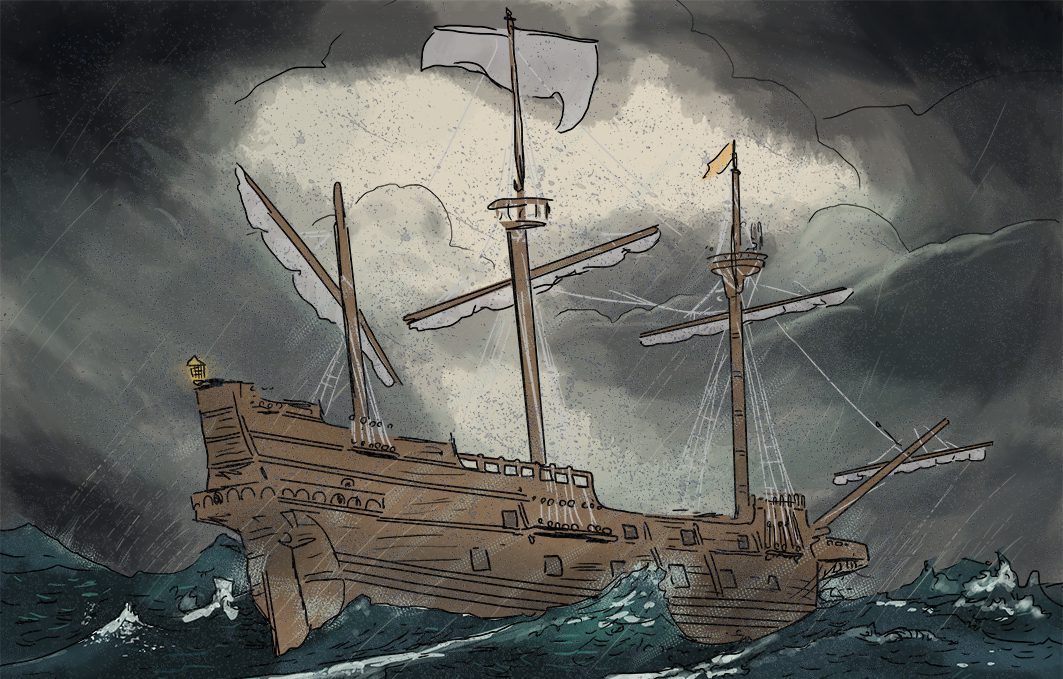
Resigned to the fact that he could not establish a colony there due to the hostility and the bad weather, Columbus decided to start his way back. However, during the voyage through the Caribbean, all the ships were already affected by the broma (a wood-eating mollusk) and rotten, and they were beginning to sink, at the same time they were also affected by a hurricane.

In June 1503, the surviving ships of the expedition barely managed to reach the island of Jamaica, where they were beached by their crews.

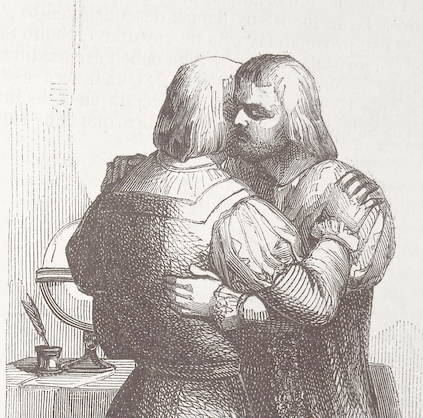
Columbus embraces Diego Méndez in gratitude for his loyalty and bravery. File: Vida y viajes de Cristobal Colón, 1851

Columbus proposed to Diego Méndez to go by canoe to La Española to ask for help.

Finally, the governor of La Española, Nicolás de Ovando, sent a ship to Jamaica that anchored at a distance. Only the captain’s boat reached the shore, which brought Columbus a roasted pig, some wine, and greetings from the governor.

On June 29, a caravel sent by Diego Méndez finally appeared on the island. At this time, there were 110 members of the expedition left alive.

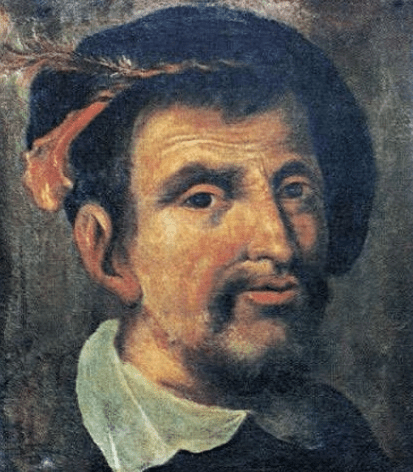
Hernando Columbus

On September 11, 1504, Christopher Columbus and his son Hernando embarked on a caravel to travel from La Española to Spain. They arrived in Sanlúcar de Barrameda on November 7 and from there traveled to Seville.

In Seville, illness kept Columbus bedridden. However, he was able to write his Book of Prophecies and write several letters in which he expressed interest in court affairs. On November 26, Queen Isabella died.

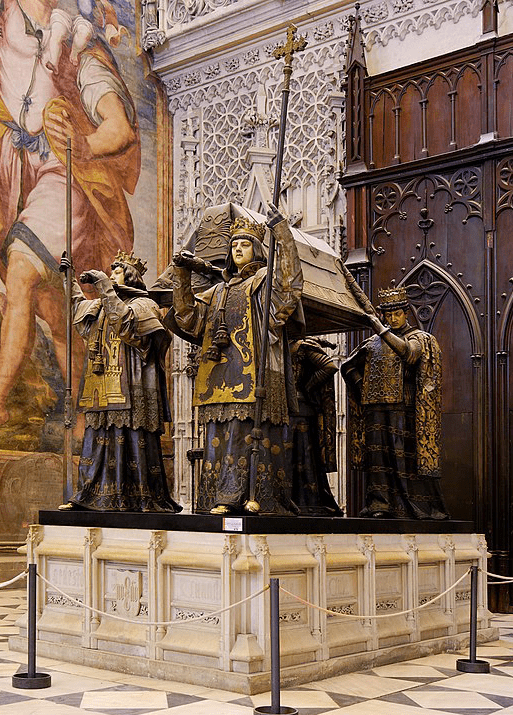
Tomb of Christopher Columbus in the Seville Cathedral. The inscription on the pedestal reads: “When the island of Cuba emancipated from Mother Spain, Seville obtained the deposit of Columbus’ remains, and its city council erected this pedestal.” Picture by Miguel Ángle Photographer.

On May 20, 1506, Christopher Columbus died in Valladolid without knowing that his explorations had led him to a continent unknown to the Europeans of his time, which would be called America, the result of an error in attributing its discovery to Amerigo Vespucci.

Sea & Steel – History – Part 3 of 4

Antonio Vaquera (game designer) is back with the third part of the historical introduction of our game Sea & Steel: Columbus’ Voyages. If you haven’t read the previous parts:
Read part 1.
Read part 2.

Map of the third voyage (Virtual University Miguel de Cervantes)

Third Voyage (1498-1500):

February 6, 1498: Two caravels, under the command of Pedro Fernández Coronel, departed from Sanlúcar de Barrameda with provisions and at least 55 soldiers for Hispaniola. Columbus himself set sail from the same port of Sanlúcar on May 30, 1498, with eight other ships. This fleet had a crew of 226 people.

July 31, 1498: Columbus arrived at the island of Trinidad and explored the coast of Venezuela, becoming the first European to set eyes on mainland South America.

In August 1498 Columbus returned to Hispaniola and finds the colony in chaos due to mismanagement and conflicts. At this time, his brother, Bartholomew Columbus, was in command of the island. The capital of the island was Santo Domingo, a city that had been founded on the south coast of the island.

Bartholomew Columbus. Winsor, Justin – Narrative and critical history of America, Volume 2

From the island of Margarita, he sailed north to the island of Hispaniola and landed at Santo Domingo. There, a group of Spaniards, led by the mayor, Francisco Roldán, had rebelled against the authority of Bartholomew Columbus and had retreated inland.

Once in Santo Domingo, Christopher Columbus tried to negotiate with the rebels and in August 1499 all those who had rebelled were pardoned and allowed to return to Spain whenever they wished.

Complaints were also raised about the way the Columbus brothers were handling administrative affairs. On the other hand, the island of Hispaniola, instead of bringing money into the royal coffers, only demanded expenses. All of this reached the ears of the Spanish monarchs, who sent Judge Francisco de Bobadilla, who arrived in Santo Domingo on August 23, 1500.

Francisco de Bobadilla arrests Christopher Columbus in La Hispaniola island
Benson John Lossing, ed. Harper’s Encyclopedia of United States History (vol. 2) (New York, NY: Harper and Brothers, 1912)

Columbus was arrested by Francisco de Bobadilla, who was sent by the Catholic Monarchs, and sent back to Spain in chains.

In November 1500, Columbus arrived in Spain and was released, but his titles and powers were revoked.

Continue reading part 4...

Sea & Steel – History – Part 2 of 4

Antonio Vaquera (game designer) is back with the second part of the historical introduction of our game Sea & Steel: Columbus’ Voyages. If you haven’t read the first part you can do it by clicking this link: Read part 1.

Map of the second voyage (Virtual University Miguel de Cervantes)

Second Voyage (1493-1496):
September 25, 1493: Columbus sets sail from Cádiz with a fleet of 17 ships and over 1,200 men.

November 3, 1493: Arrives at the Leeward Islands, discovering several islands, including Puerto Rico.

Upon returning to Hispaniola on November 27, 1493, Columbus found the Fort Navidad destroyed and the men he had left behind, dead. Although the exact circumstances are unclear, it is believed that there were conflicts with other Taíno caciques or internal disputes among the Spaniards. Columbus sought out Guacanagari to obtain explanations about what had happened. Guacanagari claimed that he had been attacked by other rival caciques and that he had been unable to protect the Spaniards. He showed wounds that he claimed were the result of these conflicts.

The Indians of Guacanagari explain to the Spaniards that the attack was the work of Caonabó, a warlike Taíno cacique.

After attending to his affairs in La Isabela, Columbus decided to explore the island of Hispaniola on March 12, ordering the construction of the Santo Tomás fortress there by Pedro de Margarit on March 17.

Part of a card from the game prototype

Caonabó attacks the Fortress of Santo Tomás and Alonso de Ojeda, according to Bartolomé de Las Casas, manages to capture him with only 15 men. He is then sent to La Isabela to meet with Columbus, who orders him to be sent to Spain to speak with the kings, considering him an important indigenous leader on the island. However, on the way the ship sinks and Caonabó dies. The Indians of four of the five chiefdoms of the island decide to attack La Isabela to rescue Caonabó and expel the Spanish. The cacique of Marién, Guacanagarí, remains at Colón’s side and alerts him of the attack, so Colón prefers to fight the battle outside. The Battle of La Vega Real will take place about 100 kilometers southeast of La Isabela on March 27, 1495, and will result in a Spanish victory, which will pacify the island.

The Founding of La Isabela Colony:
Columbus chose a new site for the settlement in a natural bay on the north coast of Hispaniola, which offered a strategic location and access to the sea. This place was named La Isabela, in honor of Queen Isabella of Castile.

Starting in December 1493, the colonists began to build the settlement. La Isabela was designed with streets, squares, houses, warehouses, and a church. A port was also built to facilitate the unloading of supplies and future expeditions.

Caonabo Square (San Juan de la Maguana, Dominican Republic) Picture by MARCIAL FIGUEREO

Exploration of Cuba and Jamaica:
In April 1494, Columbus set sail from Hispaniola with a fleet of smaller ships, leaving behind a base of operations in the newly established city of La Isabela.

Columbus reached the southern coast of Cuba on April 29, 1494. He began his exploration near what is now the province of Guantánamo and then sailed westward along the island’s southern coast.

Columbus and his crew had several encounters with the native Taino people of Cuba, who initially greeted them with hospitality. The Taino provided food and other supplies to the explorers.

Subsequently, he sailed south and arrived in Jamaica on May 5, 1494. He landed in a bay that he called Santa Gloria, today known as St. Ann’s Bay. They explored the north coast of Jamaica. They found the island rich in natural resources, with abundant vegetation and water resources. Unlike Cuba, no permanent settlements were established in Jamaica during this voyage.

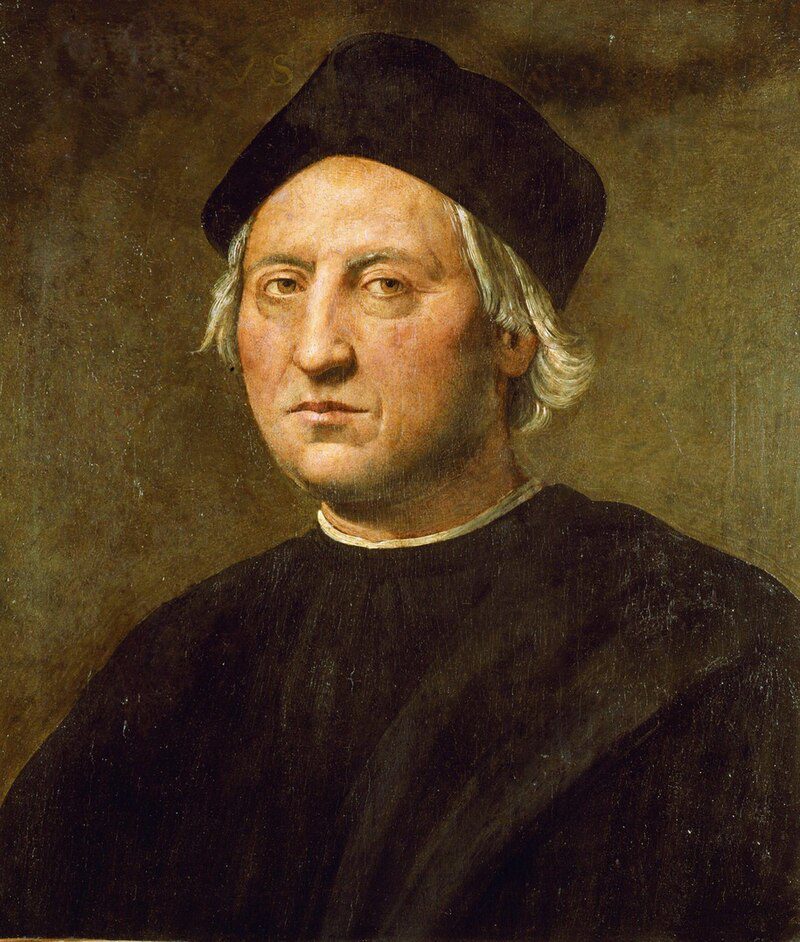
Ridolfo del Ghirlandaio – Ritratto di Cristoforo Colombo

Columbus also had his first encounters with the Caribs. He landed on several islands, including Guadeloupe and Dominica, where they found signs of the presence of Caribs, such as canoes and structures, who showed hostility towards the Europeans, which led to armed clashes.

The Caribbean people raided other islands and aggressively defended their territories.

They used guerrilla tactics and took advantage of their knowledge of the terrain to oppose the Spanish. These tactics made it difficult for Columbus and his men to operate in the Caribbean islands.

June 11, 1496: Columbus returns to Spain to defend his actions before the Catholic Monarchs.

Continue reading part 3…

Sea & Steel – History – Part 1 of 4

Set sail with us today as we delve into the historical world of Sea & Steel: Columbus’ Voyages! In this first of a four-part series, we’ll set foot alongside Antonio Vaquera (game designer) as he shares the historical background on Christopher Columbus’s first voyage.

Get ready to uncover fascinating facts and immerse yourself in the age of exploration!

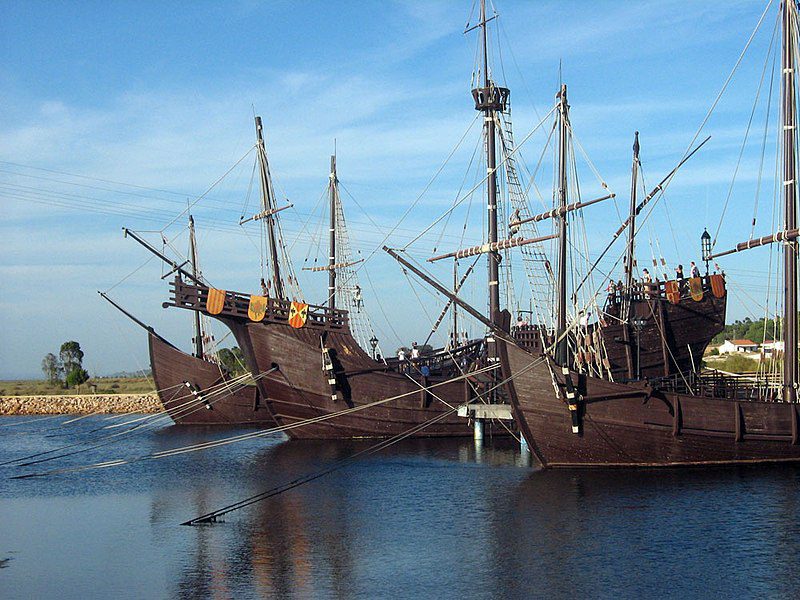
Replicas of the three ships that participated in Christopher Columbus’s first voyage,
located at the Muelle de las Carabelas (Palos de la Frontera, Spain).
Author: Edward the Confessor

Summarizing the entire story of the Discovery and Conquest of the Caribbean Islands during the Four Columbian Voyages in just a few pages is a daunting task, given the vast amount of information that would need to be processed and condensed.

In any case, I want to make it clear that we are at the end of the first quarter of the 21st century and that it is very difficult – if not impossible – to understand with our current mentality the way of proceeding of both the so-called “Spanish” side in the game, and the “indigenous” side, for which reason we deliberately leave aside any judgment of the legal or moral type that inevitably accompanies this theme.

The following is a brief historical summary in which the most relevant events that took place during the years 1492 to 1503 are briefly recounted, covering Columbus’ Four Voyages to what was called the New World, focusing solely on the Caribbean Islands, since the occasions on which he “touched” land on the Continent were not so relevant.

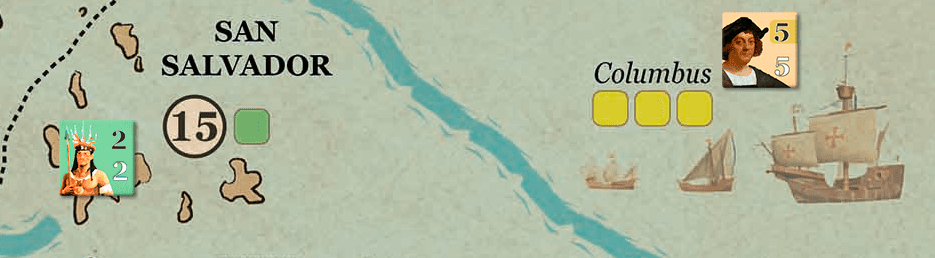
Regardless of the ups and downs of Christopher Columbus’ life and the historical evolution of the Pre-Columbian Caribbean, we must focus on the date of October 12, 1492 (the moment the game begins). This is a significant date in history, as it marks the moment when Christopher Columbus, in the service of the Catholic Monarchs of Spain, reached what is considered the New World. This event is commemorated as the discovery of America by Europeans. Columbus, who had sailed from Palos de la Frontera on August 3, 1492, with three ships – the Santa María, the Pinta, and the Niña – arrived at an island in the Bahamas that the natives called Guanahaní, which Columbus renamed San Salvador (Area 15 of the game map).

Image from the game prototype vassal module

This discovery opened the door to European exploration and colonization of America, initiating a period of exchanges, conflicts, and profound changes that altered world history. October 12 is celebrated in various countries of America and Spain, and receives different names depending on the place, such as Day of the Race, Day of Hispanity or Day of Respect for Cultural
Diversity.

Map of the first voyage (Virtual University Miguel de Cervantes)

First Voyage (1492-1493):
Columbus and his crew explored several islands in the Caribbean, including what we know today as Cuba (which Columbus called Juana) and Hispaniola (Haiti and the Dominican Republic). Columbus had several encounters with the natives, exchanging goods and observing their customs. Columbus believed that he had reached islands near Asia, such as Cipango (Japan) and Cathay (China).
Martín Alonso Pinzón, one of Christopher Columbus’s main collaborators and captain of the caravel Pinta, separated from the other two ships at some point in late November or early December 1492. The exact reason for this separation is not entirely clear and has been interpreted in various ways by historians.

On December 25, 1492, the ship called the Santa María was wrecked on Hispaniola. Guacanagari, a Taíno cacique from the region, came to the aid of Columbus and his men. He provided them with shelter, food, and assistance in rescuing the goods from the wrecked ship. The Taínos of Guacanagari showed hospitality and generosity towards the castaways. With the help of Guacanagari, Columbus decided to build a small fort called La Navidad using the remains of the Santa María. This was the first European settlement in the Americas. Columbus left 39 men in La Navidad under the command of an officer, trusting that Guacanagari would protect them.
The Pinta and the Santa María were reunited on January 6, 1493, in Hispaniola, after several weeks of separation, and on March 15, 1493, Columbus returned to Palos de la Frontera, Spain, and was received with honors.

Continue reading part 2…

Sea & Steel: Columbus’ Voyages Prototype

We’re thrilled to announce that the first playable prototype of Sea & Steel: Columbus’ Voyages has arrived! This is a major milestone for the game, and we wanted to share a sneak peek with all of you.

It’s important to note that the prototype you’ll see in the video features a provisional game art. This means the beautiful final artwork you’ll encounter in the released game isn’t there yet.

Stay on Course for More Updates!

This is just the first wave in a series of exciting updates about Sea & Steel: Columbus’ Voyages.

en_USEnglish