
Espartaco - Historia - Parte 1 de 4

Prepárese para desempolvar sus sandalias y adentrarse en el corazón de la antigua Roma.
Our game designer, José Manuel Neva, brings you the first chapter of a 4-part series on Spartacus: Rome Under Threat. Get ready to be immersed in this epic adventure through history!
La esclavitud era una piedra angular de la economía romana, ya que proporcionaba una mano de obra vasta y barata adquirida a través del comercio y la conquista. La inmensa y oprimida población esclava desencadenó múltiples rebeliones. Aunque la Primera y la Segunda Guerras Serviles en Sicilia fueron disturbios importantes sofocados por el poderío militar romano, no se percibieron como amenazas existenciales para la República.
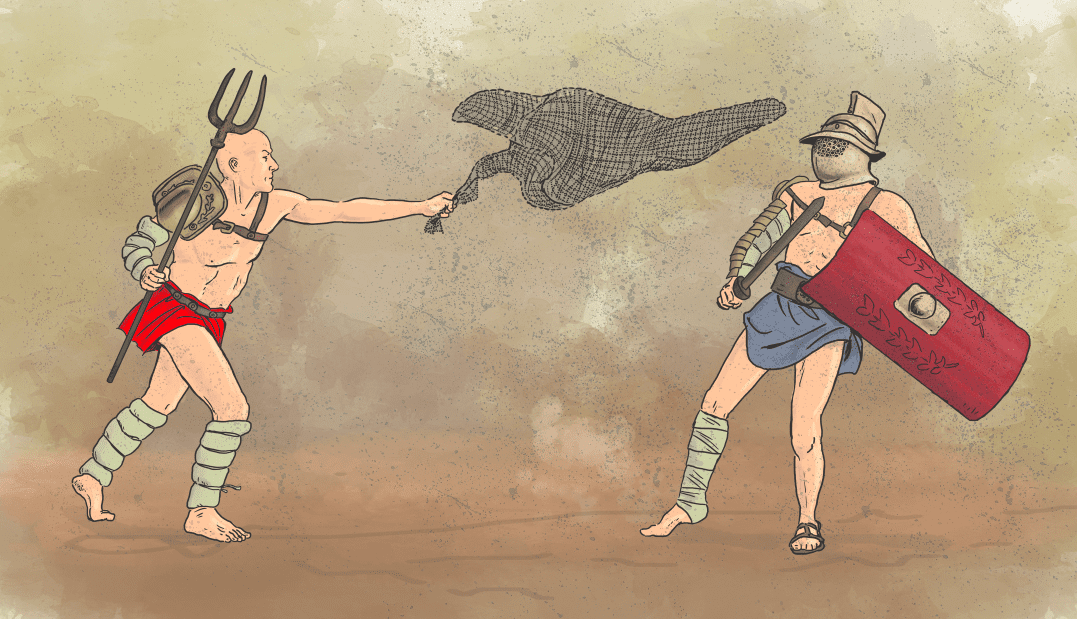
This perception shifted with the Third Servile War. In the spring of 73 BC, a group of 74 to 78 gladiators staged a violent escape from Lentulus Batiatus’ gladiatorial school in Capua. Defeating a Roman force, they seized military equipment and, with growing numbers, established a base on Mount Vesuvius.
Led by Spartacus and his formidable lieutenants, Crixus and Oenomaus, the revolt and subsequent raids swiftly captured the attention of the Roman authorities. Initially dismissed as a large-scale criminal outbreak rather than a full-blown rebellion, the uprising among the enslaved population posed a direct threat to the elite’s cherished estates and vacation retreats.

By late that same year, Rome responded by dispatching a military force under the command of a praetor. Gaius Claudius Glaber assembled a hastily gathered militia of 3,000 men (ad tumultum), a far cry from the disciplined legions. Underestimating the severity of the situation, Rome viewed the conflict as little more than a banditry problem. Glaber’s strategy was simple: besiege the rebels on Mount Vesuvius and starve them into submission.
However, Spartacus and his followers proved to be a formidable adversary. Despite their lack of formal military training, they demonstrated remarkable ingenuity and tactical acumen. Utilizing the natural resources of Vesuvius, they fashioned ropes and ladders from vines and trees, enabling a daring escape down the mountain’s treacherous cliffs. Seizing the opportunity presented by Glaber’s lack of a defensive encampment, the rebels outflanked his forces, inflicting a crushing defeat.
A second Roman force, led by Praetor Publius Varinius, was subsequently dispatched to quell Spartacus’ rebellion. Inexplicably, Varinius divided his army, placing Furius and Cossinius in command of separate contingents. While Plutarch indicates Furius commanded approximately 2,000 soldiers, the overall size of the expeditionary force and its composition—militia or legionaries—remains uncertain. These Roman troops were decisively defeated by the rebel slaves. Cossinius was killed, Varinius narrowly escaped capture, and the Romans lost their equipment.

These victories propelled Spartacus’ army to new heights. Tens of thousands of additional slaves joined their ranks, as did numerous local herdsmen and shepherds. By the winter of 73-72 BC, the rebel force had swelled to an estimated 70,000 strong. This period was marked by intensive training, armament, and expansion of their territory, which now included the cities of Nola, Nuceria, Thurii, and Metapontum.
Sin embargo, estos triunfos no fueron gratuitos. Oenomaus, un destacado líder rebelde, pereció, presumiblemente en combate cuando los ejércitos esclavistas saqueaban ciudades y pueblos del sur de Italia.
Continue reading part 2…
 Spanish
  English
3 comentarios