Rebelión y castigo en Pax Lúdica

As an author, I couldn’t be happier and more satisfied with the experience at the Pax Lúdica event in Cádiz. Many people gathered to learn about the game, eager to have the mechanics explained, and we hosted games every day throughout the event.

Rebelión y Castigo: La Guerra de las Alpujarras” is a historical simulation game featuring a card-driven engine that recreates the events of the rebellion led by the Moriscos, the descendants of the former Muslim inhabitants of the Nasrid kingdom of Granada, against the Catholic Monarchs’ attempt to impose complete cultural assimilation under Philip II.

The Moriscos planned to revolt on January 1, 1569, coinciding with the anniversary of the Christian troops’ first entry into Granada. They intended to present themselves in the city with 8,000 warriors disguised as Turks to set ablaze the Albaicín district, where the Morisco population resided within the city’s walls.

However, the uprising erupted spontaneously and uncontrollably by the rebel leaders during Christmas of 1568, leading to the failed attempt to seize Albaicín. Granada remained safe, but various towns in the Alpujarras rose up, marking the beginning of a brutal and relentless war that put the Hispanic monarchy of Philip II on the brink. Fernando de Valor, a descendant of the ancient Umayyad dynasty that once ruled the Caliphate of Córdoba, proclaimed himself king of the Moriscos as Aben Humeya.

En ese momento comenzó el juego, con varios pueblos de las Alpujarras sublevados tras el fallido intento de golpe de estado en Granada, y los líderes y fuerzas rebeldes extendiendo rápidamente la rebelión por todos los pueblos que encontraban.

El número de soldados disponibles del ejército real era muy limitado; la mayoría de las tropas de calidad se encontraban en Flandes luchando contra los protestantes orangistas o en Italia, frenando a los turcos. Las únicas fuerzas disponibles consistían en milicias locales, algunos soldados veteranos del tercio próximos a la jubilación, encargados de guarnecer las defensas costeras contra las incursiones de los piratas norteafricanos, y poco más.

While the Morisco troops are comprised of Monfíes, guerrillas who have spent decades practicing banditry and resisting Castilian forces, the Gandules, ancient municipal militias of the Kingdom of Granada, organized by neighborhoods around mosques, will soon be joined by Berbers from North Africa sent by Ali Pasha. These Mujahideen will come to fight for the defense of Islam, accompanied by expert military advisors and elite troops of Janissaries dispatched by the Turkish Sultan.
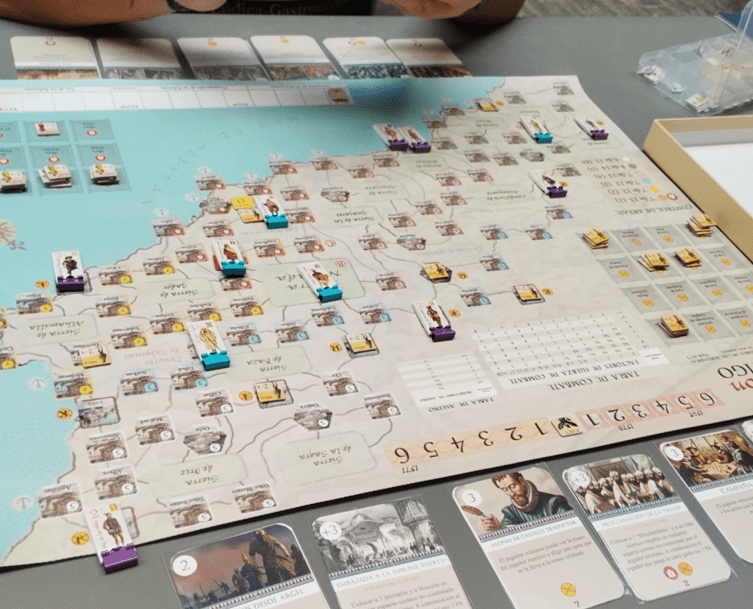
Aben Humeya emerges with his troops in Juviles, while Aben Aboo lays siege with his forces to a small garrison that has managed to barricade itself in the tower of Órgiva. Aben Farax, the most combative leader at the forefront of the feared Monfíes, waiting for his opportunity in the Sierra Nevada after hastily retreating from Granada. El Galipe leads the uprising in Malaga and El Gorri in Almería, in the Andarax valley.

In this initial phase of the war, known as “The Marquises’ Campaign,” the repression of this uprising is handled by two nobles embroiled in long-standing family feuds stemming from the Castilian civil war between the Beltranajosos and the Isabelinos. On one side is the Marquis of Mondejar, General Captain of Granada and a member of the Mendoza family, who holds a more negotiable and conciliatory approach. On the other side is the Marquis of Los Velez, from the Fajardo family, who receives a letter from Philip II instructing him to prevent the spread of the rebellion to Eastern Spain from Murcia, and to suppress the attempts at rebellion in neighboring Almería as best he can.

Cada jugador roba siete cartas del mazo único de juego y juega seis impulsos, con la opción de guardarse una carta para el siguiente turno; si lo hace, esta vez sólo robará seis cartas.

During the first turn, set during the Christmas of 1568, the Morisco player has the initiative and plays first. Their opening card is a mandatory initial event: the coronation of Aben Humeya as king of the Moriscos, followed by the use of action points. With these points, the Morisco player can activate their leaders, spending activation points equal to their leader’s strategic capacity. Leaders have three strategic capacities: 1, 2, and 3. The lower the value, the better the leader, requiring fewer action points to activate.

At the game’s start, most populations are not in rebellion; only seven villages in the Alpujarras, one in Málaga, and another in Almería in the Andarax valley are. The rest, in theory, remain loyal to the crown, with the population torn between the desire for rebellion, fear of repression, and some truly loyal subjects who wish to remain uninvolved in the uprising.

Cuando las tropas rebeldes entraban en un pueblo, reunían a los habitantes en la plaza, quemaban iglesias y perseguían sin piedad a los cristianos viejos y a los religiosos, obligando a la población a unirse a ellos. Muchos se unieron voluntariamente, pero otros no tuvieron más remedio que obedecer.
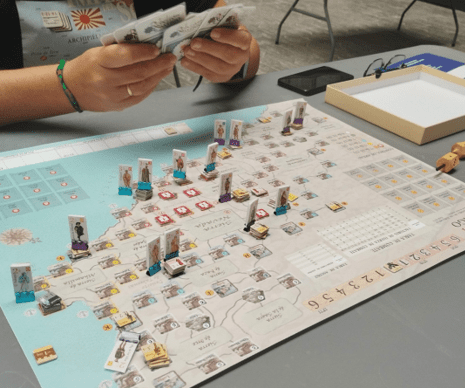
En el juego, cuando una tropa mora entra en un asentamiento, gasta un punto de movimiento adicional para incitar un levantamiento y unirse a la rebelión. A la inversa, cuando una tropa real entra en un asentamiento rebelde, también gasta un punto de movimiento adicional para sofocar el levantamiento. Si en un asentamiento hay tropas de ambos bandos, se produce un enfrentamiento armado; el vencedor de esta batalla obtiene automáticamente el control del asentamiento.
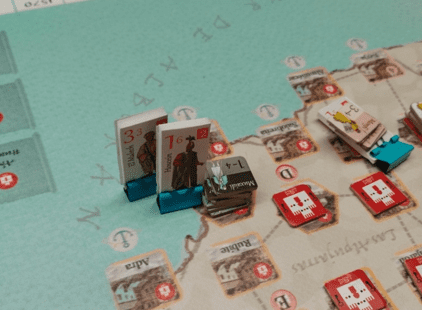
Pronto llega a las costas la tan esperada ayuda norteafricana y turca, compuesta por muyahidines convocados para defender la fe islámica y por jenízaros dirigidos por el capitán turco Hosein.
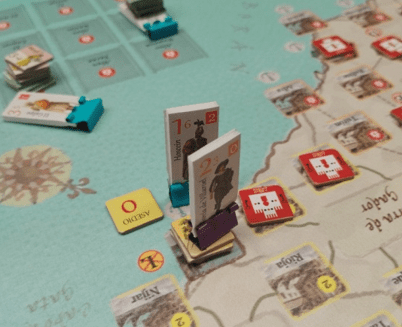
The city of Almería is soon besieged, with its garrison under the command of García de Villarroel desperately calling for aid from both the Marquis of Mondejar and the Marquis of Vélez.

During the initial phases, the Moorish rebellion spreads rapidly, successfully laying siege to and capturing significant cities such as Málaga and Almería. Consequently, the Victory Points quickly shift in favor of the insurgents.

Aben Aboo and El Galipe await from within the walls of the city of Málaga, recently taken by the Moriscos, for the arrival of Antonio de Luna and his troops. Meanwhile, Aben Humeya is stationed in Alfarnate.

Al final de cada turno, hay una fase de expansión de la rebelión en la que el jugador morisco tira un dado. Esto determina una población dentro de la región lanzada al azar, donde pueden desplegar espontáneamente una tropa de gandules.

Two of the most charismatic and well-known Christian leaders, both with extensive military experience, arrive in the conflict zone: Luis de Recasenz and Álvaro de Bazán, accompanied by seasoned tercio units from Italy.

Al comienzo de cada turno, se tira un dado para determinar qué jugador tiene la iniciativa y juega primero sus cartas. El jugador que no tuvo la iniciativa en el turno anterior recibe una bonificación de +1 a su tirada para esta determinación.
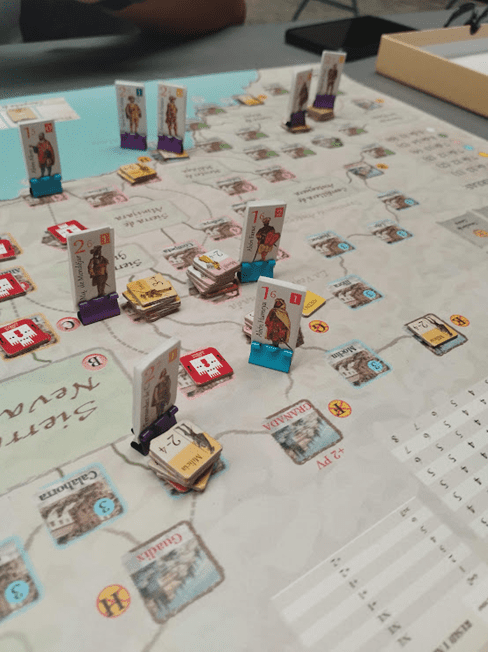
Ultimately, to summarize, the games played during the Pax Lúdicas featured numerous remarkable circumstances, some epic in nature, such as Aben Humeya’s attempted siege of Granada, taking advantage of the Marqués de Mondejar’s army being engaged in the Alpujarras, or the glorious defense of Lorca by the Marqués de Mondejar, who, without any troops—only the garrison—staunchly resisted Aben Farax’s assaults until the latter was forced to retreat with the arrival of Christian reinforcements, failing to capture the Murcian city. There was also the Conquest of Málaga by Aben Aboo. The players thoroughly enjoyed these scenarios, and I relished teaching them. I look forward to sharing ongoing developments in the game’s progress, along with the upcoming testing sessions.

My heartfelt thanks to Pedro Mayorga, Manuel Sancho, Raúl Nuñez, José Martinez, and José Antonio Polo for dedicating their time during the event to play Rebelión Y Castigo and for their consistently positive and constructive contributions to its enhancement. Special thanks to Francisco Javier from In Ludo Véritas for his support, as well as José Manuel Neva for believing in the development of this game, and to Sergio and his fellow Pax Lúdica members for their tireless efforts organizing the Cádiz event, which benefits all wargaming enthusiasts. A big hug to all!

Fran Mariscal.
Kursk: Últimas pruebas (3)

En una nueva actualización de las pruebas de juego, el desarrollador Jack Polonka se sumerge en un escenario diferente para Kursk.

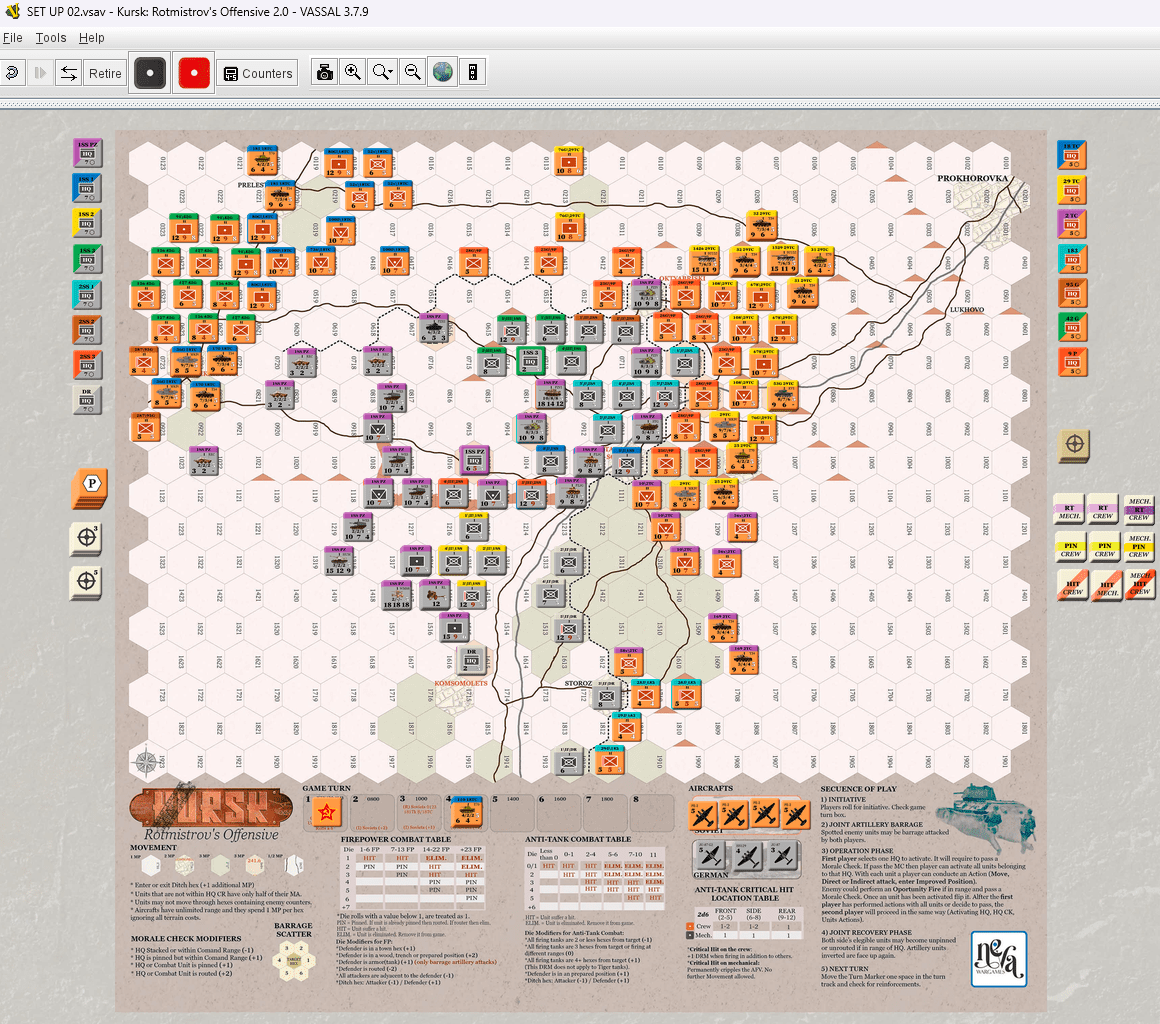
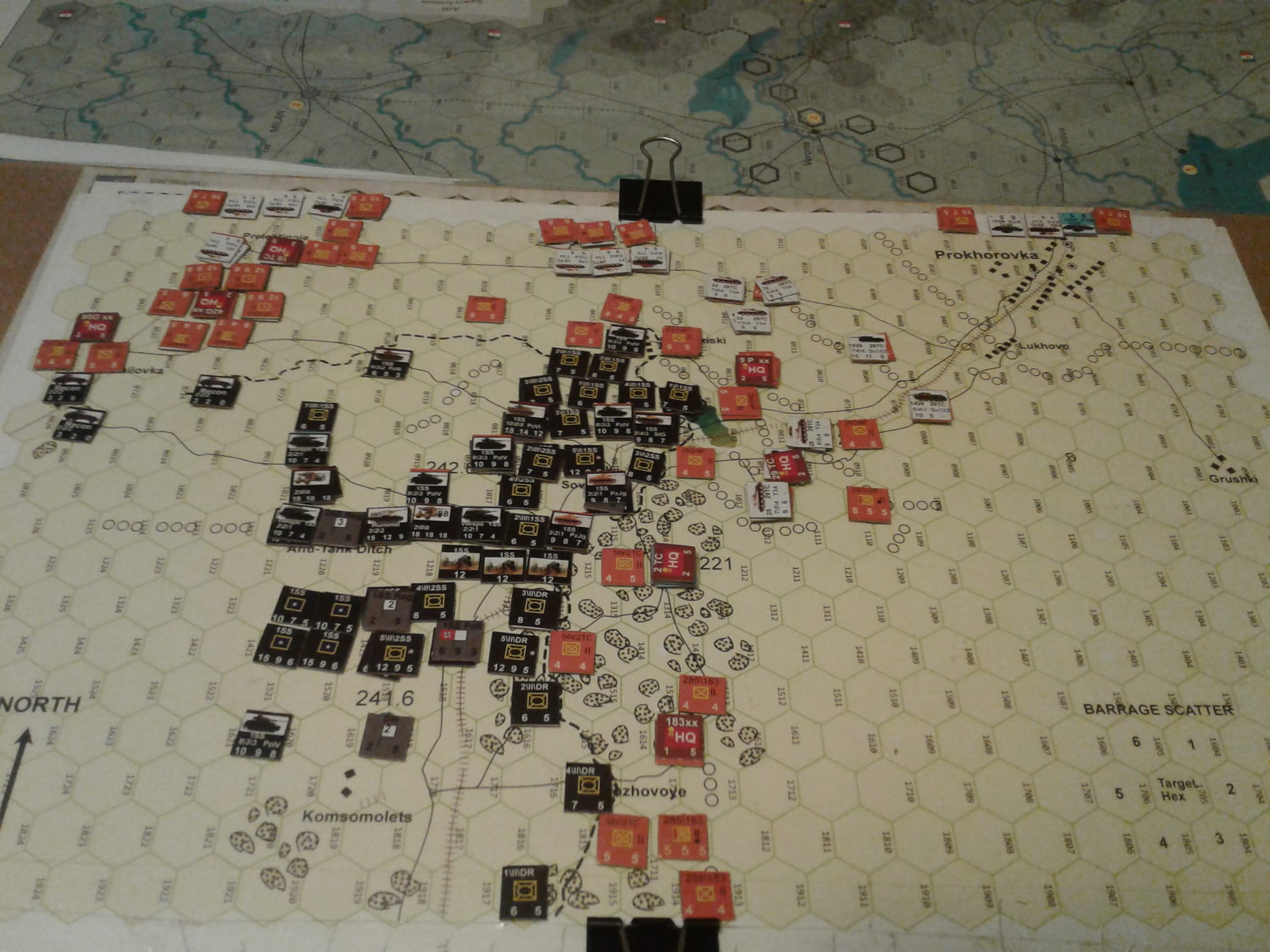
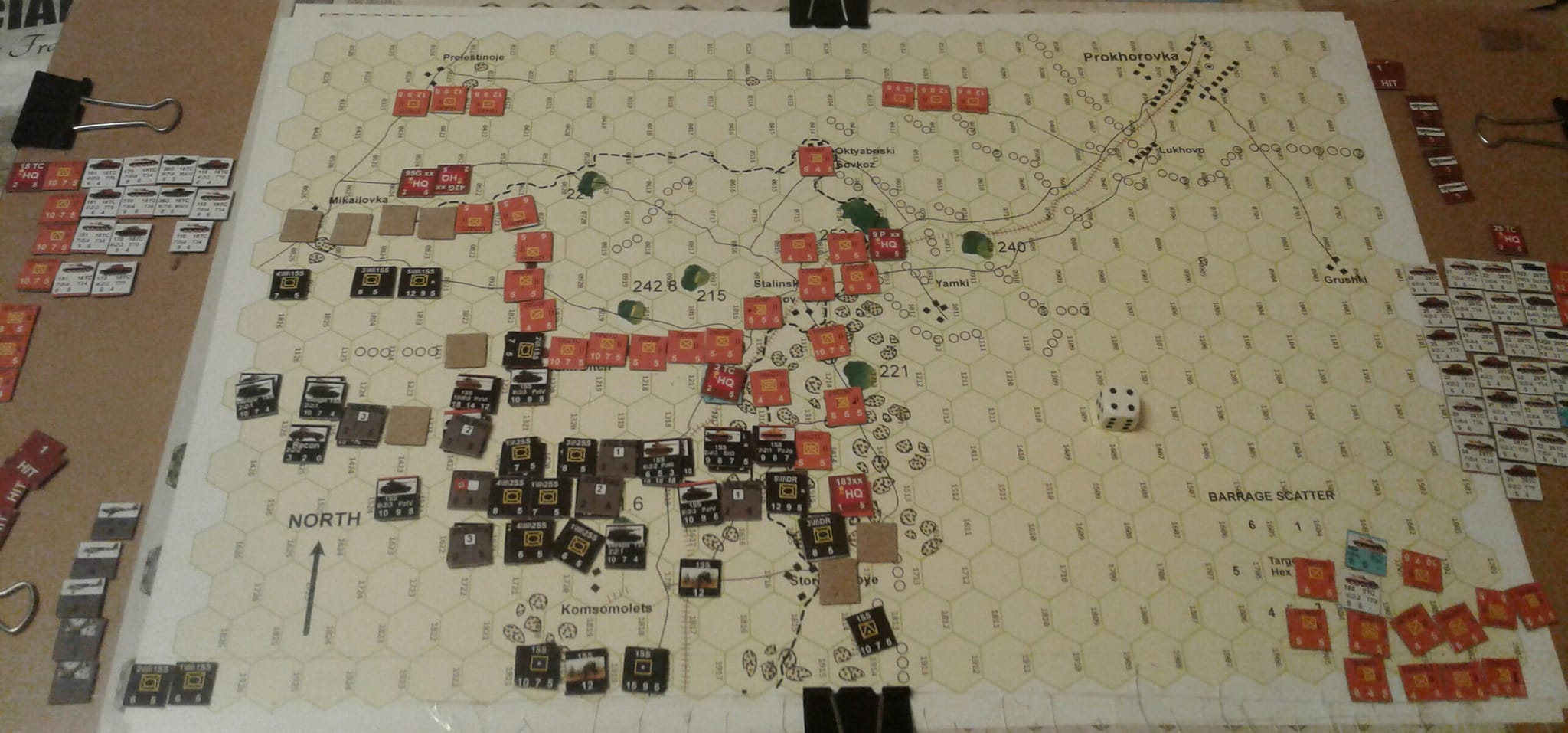
“ACHTUNG! ACHTUNG! All you PANZERWAFFE dierollers of the Prokhorovka sector. The Assault continues with Neva’s upcoming Kursk, but it’s now July 11th (the day before) with Adolf’s Liebstandard Home Boys coming onto the map to clear it of the Red Army menace! All looks straight forward initially till The Anti Tank Ditch is reached. That is where the real fun/struggle begins. See the post picture, which is end of turn 3 of a 7 turns (or 8 turns…remember this is still a playtest….) game. Progress is being made on the flanks and the 1st Liebstandard Regiment is delpoyed for the assault on the main Ditch defense line. Who will win will depend on who has the last remaining reserves or reinforcements to throw into battle, a la Napoleon…. The situation sits on a fulcrum…. and the weather, which will bog things down, does not help either!

The photo in the comments page is the end game turn (turn 7) with the Liebstandard Home Boys in control of the ditch but not much else North of it….with additional objective victory hexes still in Red Army’s hands…. Two consecutive turns of down pouring rain mired operations.

More playtesting to be done now with new playtest reinforcments from our España compatriots! (From the Spanish Blue Division?)

Till then, Marche Forward!!”

We’re thrilled to announce that the Vassal Module for Kursk is nearing completion.

Prepárese para el ataque en línea

Prepárate para dar rienda suelta a tu brillantez táctica, ya que pronto comenzarán las pruebas online de Kursk. Mantente al tanto de las novedades.

Ayuda a Kursk a triunfar inscribirse en nuestro sitio web y añade el juego a tu lista de deseos! This small act shows your interest and lets us know there’s excitement for Kursk.

Mar y Acero - Historia - Parte 4 de 4

Antonio Vaquera is back with the final chapter in our historical deep dive for Sea & Steel: Columbus’ Voyages.
Póngase al día con la serie aquí:
Leer parte 1.
Leer parte 2.
Lea la parte 3.

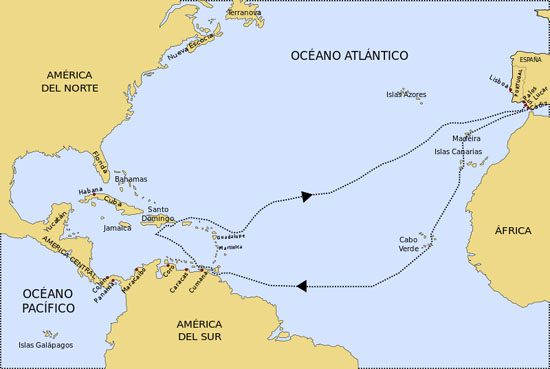
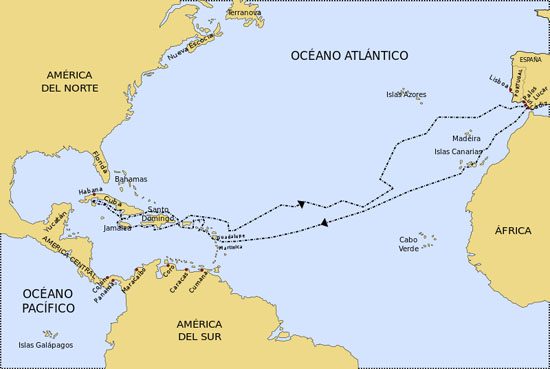
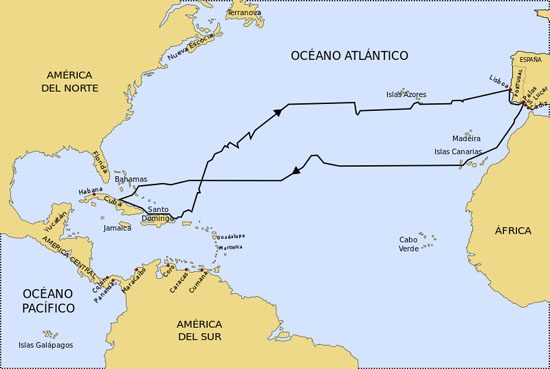
Mapa del cuarto viaje (Universidad Virtual Miguel de Cervantes)

Cuarto viaje (1502-1504)

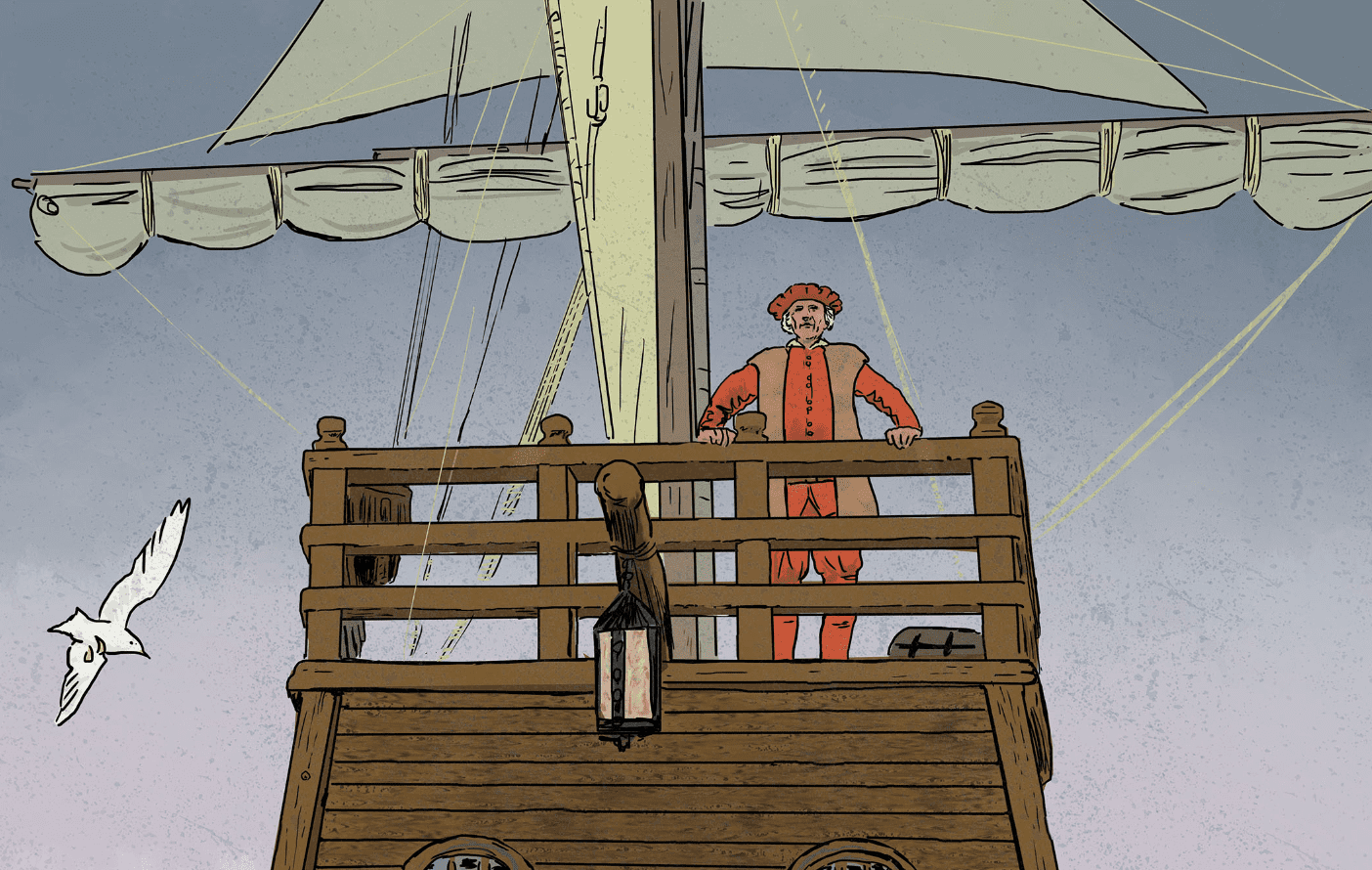
Colón tenía 51 años, lo que le hacía viejo para la época, y padecía gota y artritis. Zarpó con una flota de dos carabelas y dos naves. Los monarcas aceptaron financiar el cuarto viaje con la condición de que no volviera a pisar la isla de La Española.

They departed from the port of Seville on April 3, 1502, and arrived in Santo Domingo, on the island of Hispaniola, on June 29. However, the new governor, Nicolás de Ovando, forbade them to disembark, following the orders of the monarchs. So, he sailed to Jamaica to resupply and then followed the coast of Cuba before heading west to the unexplored waters of the Caribbean.

Nicolás Ovando

Llegaron a la costa de lo que hoy se conoce como Centroamérica. El 5 de diciembre, después de haber recorrido prácticamente toda la costa centroamericana y con una tripulación exhausta, abandonó la búsqueda del paso occidental y se dirigió a Veraguas, en la actual Panamá, porque los nativos le habían dicho que había abundante oro.

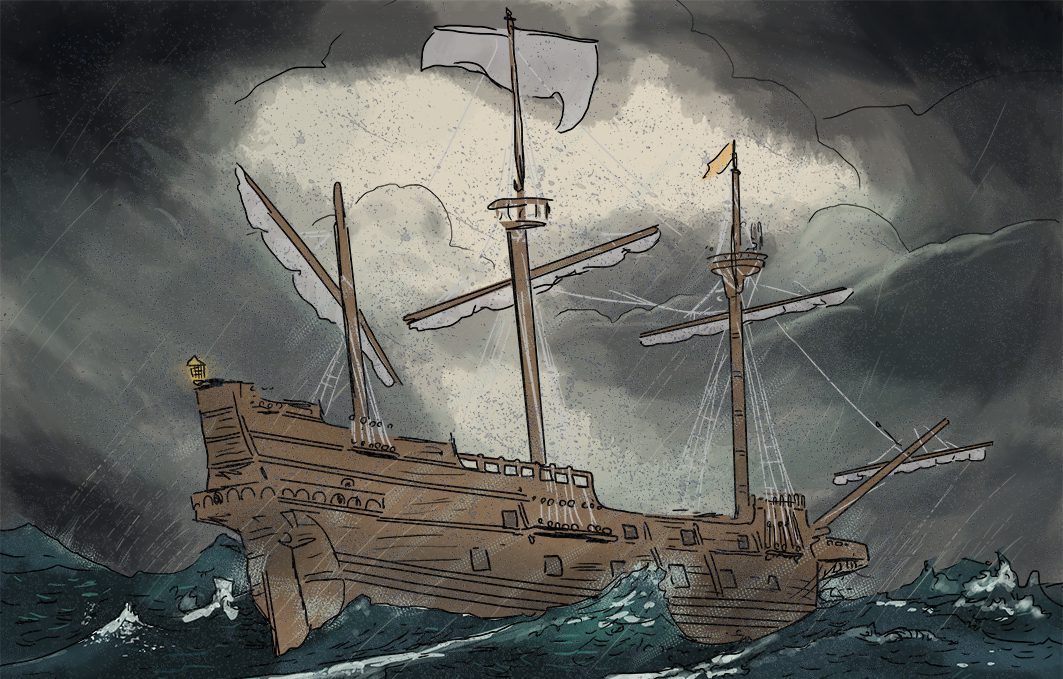
Resignado a no poder establecer allí una colonia debido a la hostilidad y al mal tiempo, Colón decidió emprender el camino de regreso. Sin embargo, durante el viaje por el Caribe, todos los barcos estaban ya afectados por la broma (un molusco que se come la madera) y podridos, y empezaban a hundirse, al tiempo que también se veían afectados por un huracán.

En junio de 1503, los barcos supervivientes de la expedición lograron llegar a duras penas a la isla de Jamaica, donde fueron varados por sus tripulaciones.

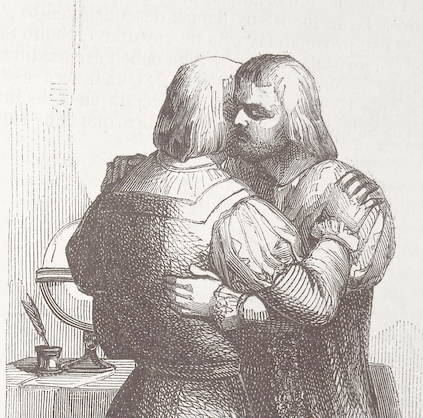
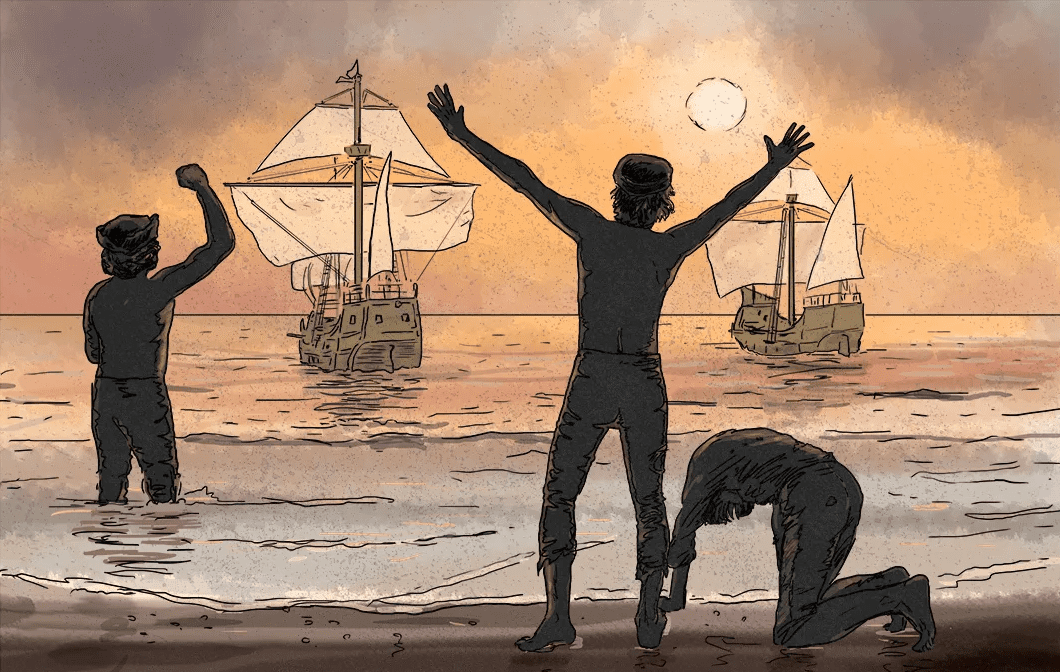
Columbus embraces Diego Méndez in gratitude for his loyalty and bravery. File: Vida y viajes de Cristobal Colón, 1851

Columbus proposed to Diego Méndez to go by canoe to La Española to ask for help.

Finally, the governor of La Española, Nicolás de Ovando, sent a ship to Jamaica that anchored at a distance. Only the captain’s boat reached the shore, which brought Columbus a roasted pig, some wine, and greetings from the governor.

On June 29, a caravel sent by Diego Méndez finally appeared on the island. At this time, there were 110 members of the expedition left alive.

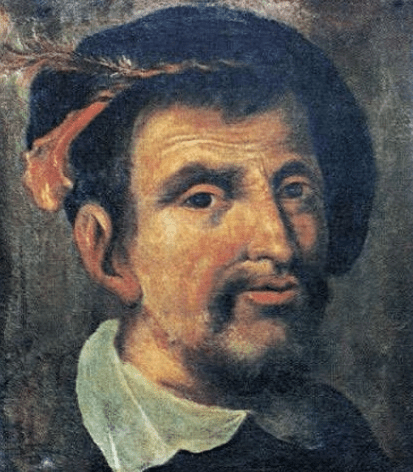
Hernando Colón

On September 11, 1504, Christopher Columbus and his son Hernando embarked on a caravel to travel from La Española to Spain. They arrived in Sanlúcar de Barrameda on November 7 and from there traveled to Seville.

En Sevilla, la enfermedad mantuvo a Colón postrado en cama. Sin embargo, pudo escribir su Libro de las Profecías y redactar varias cartas en las que expresaba su interés por los asuntos de la corte. El 26 de noviembre muere la reina Isabel.

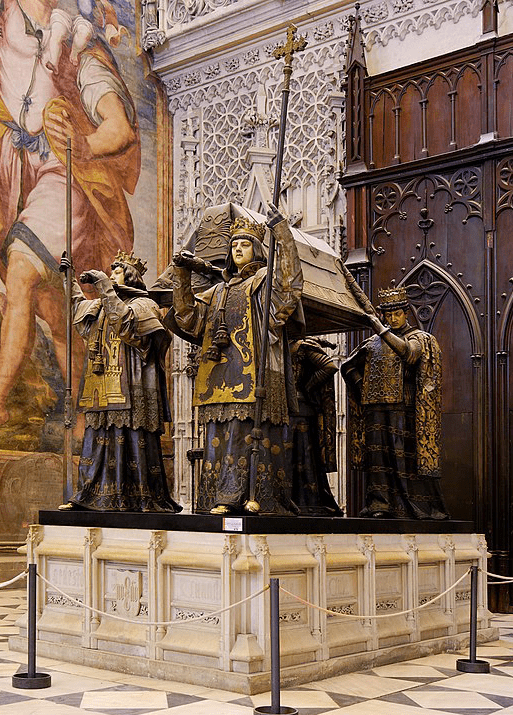
Tomb of Christopher Columbus in the Seville Cathedral. The inscription on the pedestal reads: “When the island of Cuba emancipated from Mother Spain, Seville obtained the deposit of Columbus’ remains, and its city council erected this pedestal.” Picture by Miguel Ángle Photographer.

El 20 de mayo de 1506, Cristóbal Colón moría en Valladolid sin saber que sus exploraciones le habían conducido a un continente desconocido para los europeos de su época, que se llamaría América, fruto de un error al atribuir su descubrimiento a Américo Vespucio.

Mar y Acero - Historia - Parte 3 de 4

Antonio Vaquera (game designer) is back with the third part of the historical introduction of our game Sea & Steel: Columbus’ Voyages. If you haven’t read the previous parts:
Leer parte 1.
Leer parte 2.

Mapa del tercer viaje (Universidad Virtual Miguel de Cervantes)

Tercer viaje (1498-1500):

February 6, 1498: Two caravels, under the command of Pedro Fernández Coronel, departed from Sanlúcar de Barrameda with provisions and at least 55 soldiers for Hispaniola. Columbus himself set sail from the same port of Sanlúcar on May 30, 1498, with eight other ships. This fleet had a crew of 226 people.

31 de julio de 1498: Colón llega a la isla de Trinidad y explora la costa de Venezuela, convirtiéndose en el primer europeo que pone los ojos en la América del Sur continental.

En agosto de 1498, Colón regresa a La Española y encuentra la colonia sumida en el caos debido a la mala gestión y los conflictos. En ese momento, su hermano, Bartolomé Colón, estaba al mando de la isla. La capital de la isla era Santo Domingo, ciudad que había sido fundada en la costa sur de la isla.

Bartholomew Columbus. Winsor, Justin – Narrative and critical history of America, Volume 2

From the island of Margarita, he sailed north to the island of Hispaniola and landed at Santo Domingo. There, a group of Spaniards, led by the mayor, Francisco Roldán, had rebelled against the authority of Bartholomew Columbus and had retreated inland.

Una vez en Santo Domingo, Cristóbal Colón intentó negociar con los rebeldes y en agosto de 1499 todos los que se habían sublevado fueron indultados y se les permitió regresar a España cuando quisieran.

También surgieron quejas sobre la forma en que los hermanos Colón llevaban los asuntos administrativos. Por otra parte, la isla Española, en lugar de aportar dinero a las arcas reales, sólo exigía gastos. Todo esto llegó a oídos de los monarcas españoles, que enviaron al juez Francisco de Bobadilla, que llegó a Santo Domingo el 23 de agosto de 1500.

Francisco de Bobadilla detiene a Cristóbal Colón en la isla La Española
Benson John Lossing, ed. Harper’s Encyclopedia of United States History (vol. 2) (New York, NY: Harper and Brothers, 1912)

Colón fue detenido por Francisco de Bobadilla, enviado de los Reyes Católicos, y devuelto a España encadenado.

En noviembre de 1500, Colón llega a España y es liberado, pero se le revocan sus títulos y poderes.

Continúe leyendo la parte 4...

Mar y Acero - Historia - Parte 2 de 4

Antonio Vaquera (game designer) is back with the second part of the historical introduction of our game Sea & Steel: Columbus’ Voyages. If you haven’t read the first part you can do it by clicking this link: Leer parte 1.

Mapa del segundo viaje (Universidad Virtual Miguel de Cervantes)

Segundo viaje (1493-1496):
September 25, 1493: Columbus sets sail from Cádiz with a fleet of 17 ships and over 1,200 men.

3 de noviembre de 1493: Llega a las islas de Sotavento, descubriendo varias islas, entre ellas Puerto Rico.

Upon returning to Hispaniola on November 27, 1493, Columbus found the Fort Navidad destroyed and the men he had left behind, dead. Although the exact circumstances are unclear, it is believed that there were conflicts with other Taíno caciques or internal disputes among the Spaniards. Columbus sought out Guacanagari to obtain explanations about what had happened. Guacanagari claimed that he had been attacked by other rival caciques and that he had been unable to protect the Spaniards. He showed wounds that he claimed were the result of these conflicts.

The Indians of Guacanagari explain to the Spaniards that the attack was the work of Caonabó, a warlike Taíno cacique.

After attending to his affairs in La Isabela, Columbus decided to explore the island of Hispaniola on March 12, ordering the construction of the Santo Tomás fortress there by Pedro de Margarit on March 17.

Parte de una tarjeta del prototipo del juego

Caonabó attacks the Fortress of Santo Tomás and Alonso de Ojeda, according to Bartolomé de Las Casas, manages to capture him with only 15 men. He is then sent to La Isabela to meet with Columbus, who orders him to be sent to Spain to speak with the kings, considering him an important indigenous leader on the island. However, on the way the ship sinks and Caonabó dies. The Indians of four of the five chiefdoms of the island decide to attack La Isabela to rescue Caonabó and expel the Spanish. The cacique of Marién, Guacanagarí, remains at Colón’s side and alerts him of the attack, so Colón prefers to fight the battle outside. The Battle of La Vega Real will take place about 100 kilometers southeast of La Isabela on March 27, 1495, and will result in a Spanish victory, which will pacify the island.

La fundación de la colonia de La Isabela:
Colón eligió un nuevo emplazamiento para el asentamiento en una bahía natural de la costa norte de La Española, que ofrecía una situación estratégica y acceso al mar. Este lugar recibió el nombre de La Isabela, en honor de la reina Isabel de Castilla.

A partir de diciembre de 1493, los colonos empezaron a construir el asentamiento. La Isabela se diseñó con calles, plazas, casas, almacenes y una iglesia. También se construyó un puerto para facilitar la descarga de suministros y futuras expediciones.

Plaza del Caonabo (San Juan de la Maguana, República Dominicana) Foto de MARCIAL FIGUEREO

Exploración de Cuba y Jamaica:
En abril de 1494, Colón zarpó de La Española con una flota de barcos más pequeños, dejando atrás una base de operaciones en la recién establecida ciudad de La Isabela.

Columbus reached the southern coast of Cuba on April 29, 1494. He began his exploration near what is now the province of Guantánamo and then sailed westward along the island’s southern coast.

Colón y su tripulación tuvieron varios encuentros con los nativos taínos de Cuba, que al principio les recibieron con hospitalidad. Los taínos proporcionaron alimentos y otros suministros a los exploradores.

Subsequently, he sailed south and arrived in Jamaica on May 5, 1494. He landed in a bay that he called Santa Gloria, today known as St. Ann’s Bay. They explored the north coast of Jamaica. They found the island rich in natural resources, with abundant vegetation and water resources. Unlike Cuba, no permanent settlements were established in Jamaica during this voyage.

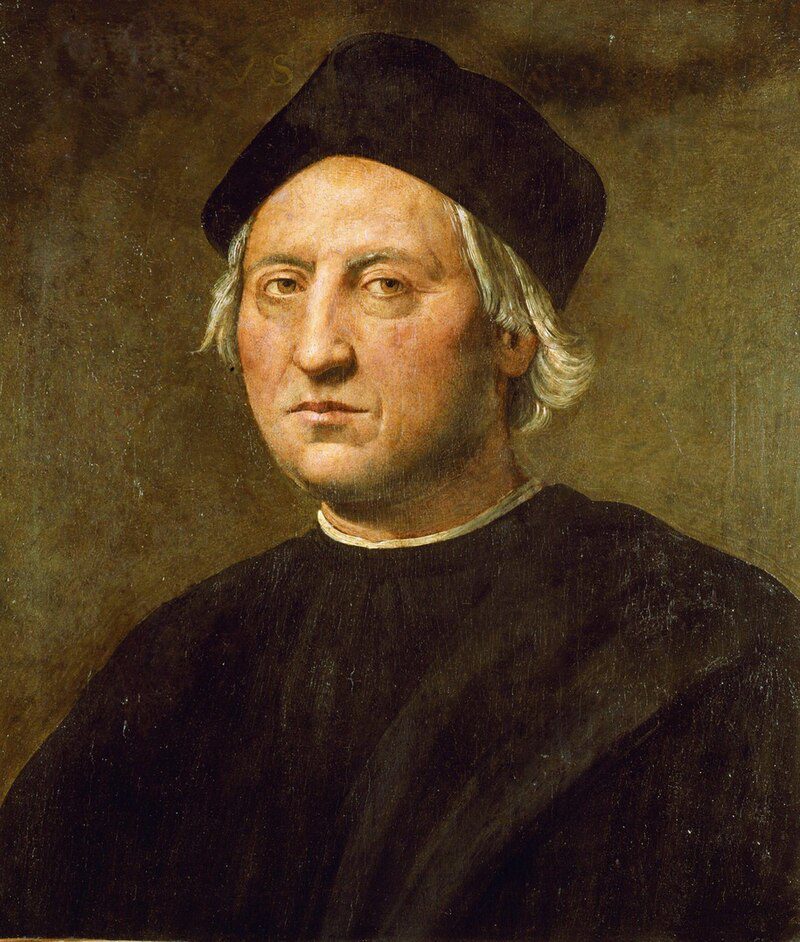
Ridolfo del Ghirlandaio – Ritratto di Cristoforo Colombo

Colón también tuvo sus primeros encuentros con los caribes. Desembarcó en varias islas, entre ellas Guadalupe y Dominica, donde encontraron indicios de la presencia de caribes, como canoas y estructuras, que mostraron hostilidad hacia los europeos, lo que provocó enfrentamientos armados.

Los caribeños asaltaban otras islas y defendían agresivamente sus territorios.

Utilizaban tácticas de guerrilla y aprovechaban su conocimiento del terreno para oponerse a los españoles. Estas tácticas dificultaron las operaciones de Colón y sus hombres en las islas del Caribe.

11 de junio de 1496: Colón regresa a España para defender sus acciones ante los Reyes Católicos.

Continue reading part 3…

Kursk: Últimas pruebas (2)

Jack Polonka (desarrollador del juego) vuelve con una actualización:

Playtesting is still ongoing for Kursk and it’s shaping up to be a historically accurate bloodbath, just like the real battle. By the end of turn two, the playtest map is littered with casualties, especially for the Red Army, mirroring the historical toll they suffered.

The 18th Tank Corps, supported by two Red Army infantry divisions, overwhelmed the Aufklärungs Abteilungen. A counter-attack with Tiger tanks helped stabilize the situation, but only just. Just as it happened historically, the anti-tank ditch manned by German forces served as a crucial defensive line, stemming the tide of the Soviet assault.

Se perfila como un juego divertido y estratégicamente desafiante que se mantiene fiel a la historia. El juego se ha ampliado para incluir el anterior enfrentamiento del 11 de julio, en el que la división Liebstandarte lanza un feroz ataque y casi captura la ciudad de Prokhorovka.

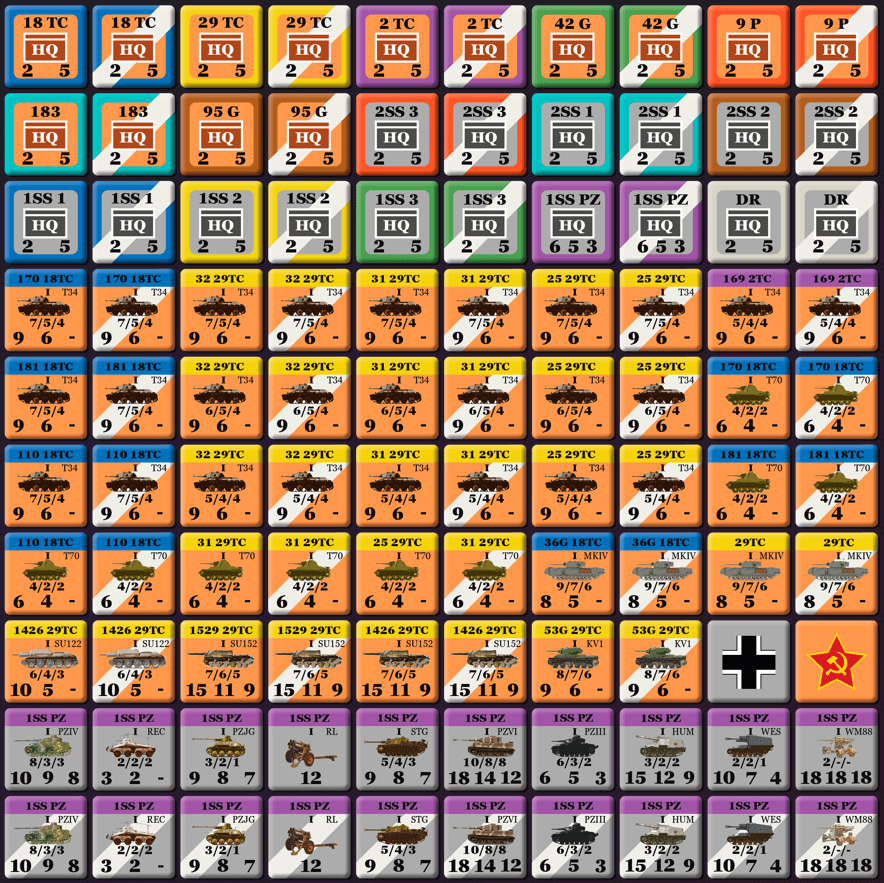
Take a look at the new prototype counters we are preparing. Vassal Module for playtesting is comming up soon…

Ayuda a Kursk a triunfar inscribirse en nuestro sitio web y añade el juego a tu lista de deseos! This small act shows your interest and lets us know there’s excitement for Kursk.

Mar y Acero - Historia - Parte 1 de 4

Set sail with us today as we delve into the historical world of Sea & Steel: Columbus’ Voyages! In this first of a four-part series, we’ll set foot alongside Antonio Vaquera (game designer) as he shares the historical background on Christopher Columbus’s first voyage.

Prepárese para descubrir hechos fascinantes y sumergirse en la era de la exploración.

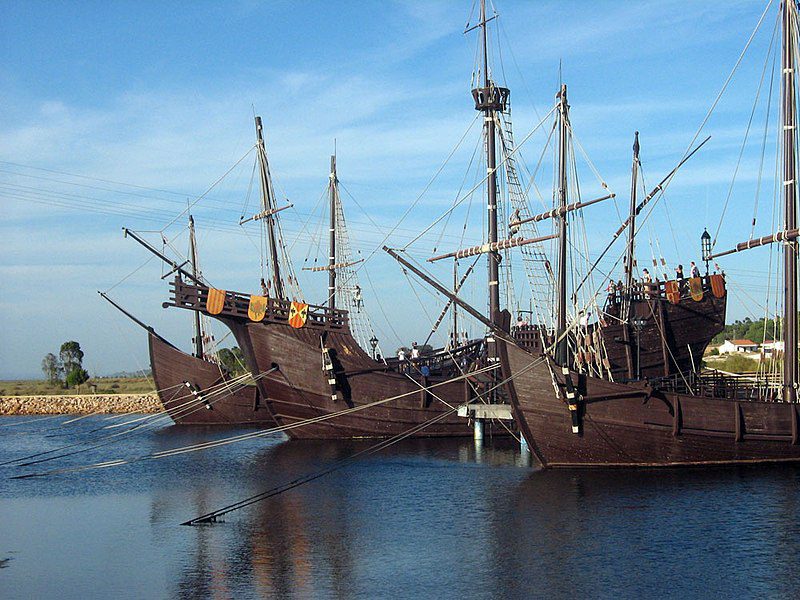
Replicas of the three ships that participated in Christopher Columbus’s first voyage,
situado en el Muelle de las Carabelas (Palos de la Frontera, España).
Autor: Eduardo el Confesor

Resumir en pocas páginas toda la historia del Descubrimiento y Conquista de las Islas del Caribe durante los Cuatro Viajes Colombinos es una tarea titánica, dada la ingente cantidad de información que habría que procesar y condensar.

In any case, I want to make it clear that we are at the end of the first quarter of the 21st century and that it is very difficult – if not impossible – to understand with our current mentality the way of proceeding of both the so-called “Spanish” side in the game, and the “indigenous” side, for which reason we deliberately leave aside any judgment of the legal or moral type that inevitably accompanies this theme.

The following is a brief historical summary in which the most relevant events that took place during the years 1492 to 1503 are briefly recounted, covering Columbus’ Four Voyages to what was called the New World, focusing solely on the Caribbean Islands, since the occasions on which he “touched” land on the Continent were not so relevant.

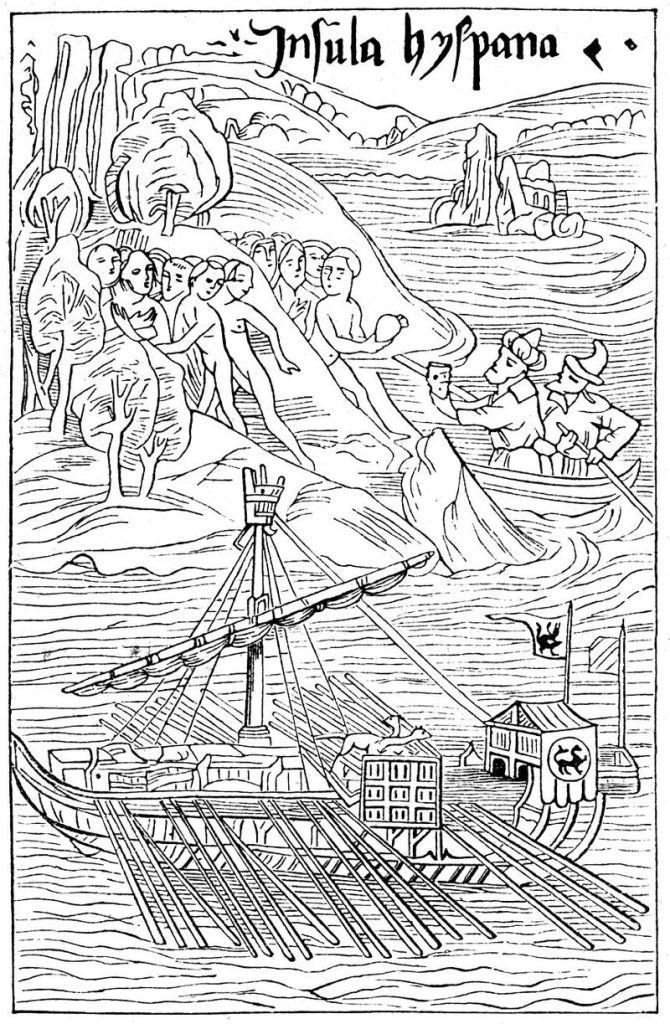
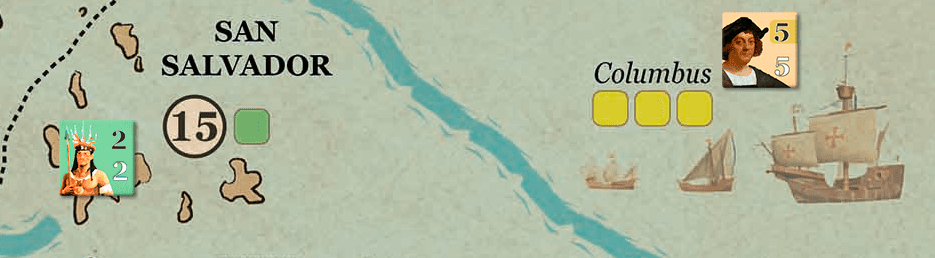
Regardless of the ups and downs of Christopher Columbus’ life and the historical evolution of the Pre-Columbian Caribbean, we must focus on the date of October 12, 1492 (the moment the game begins). This is a significant date in history, as it marks the moment when Christopher Columbus, in the service of the Catholic Monarchs of Spain, reached what is considered the New World. This event is commemorated as the discovery of America by Europeans. Columbus, who had sailed from Palos de la Frontera on August 3, 1492, with three ships – the Santa María, the Pinta, and the Niña – arrived at an island in the Bahamas that the natives called Guanahaní, which Columbus renamed San Salvador (Area 15 of the game map).

Imagen del prototipo de juego módulo vasallo

Este descubrimiento abrió la puerta a la exploración y colonización europea de América, iniciando un periodo de intercambios, conflictos y profundos cambios que alteraron la historia del mundo. El 12 de octubre se celebra en varios países de América y España, y recibe diferentes nombres según el lugar, como Día de la Raza, Día de la Hispanidad o Día del Respeto a la Cultura.
La diversidad.

Mapa del primer viaje (Universidad Virtual Miguel de Cervantes)

Primer viaje (1492-1493):
Colón y su tripulación exploraron varias islas del Caribe, entre ellas lo que hoy conocemos como Cuba (a la que Colón llamó Juana) y La Española (Haití y la República Dominicana). Colón tuvo varios encuentros con los nativos, intercambiando bienes y observando sus costumbres. Colón creía haber llegado a islas cercanas a Asia, como Cipango (Japón) y Cathay (China).
Martín Alonso Pinzón, one of Christopher Columbus’s main collaborators and captain of the caravel Pinta, separated from the other two ships at some point in late November or early December 1492. The exact reason for this separation is not entirely clear and has been interpreted in various ways by historians.

On December 25, 1492, the ship called the Santa María was wrecked on Hispaniola. Guacanagari, a Taíno cacique from the region, came to the aid of Columbus and his men. He provided them with shelter, food, and assistance in rescuing the goods from the wrecked ship. The Taínos of Guacanagari showed hospitality and generosity towards the castaways. With the help of Guacanagari, Columbus decided to build a small fort called La Navidad using the remains of the Santa María. This was the first European settlement in the Americas. Columbus left 39 men in La Navidad under the command of an officer, trusting that Guacanagari would protect them.
The Pinta and the Santa María were reunited on January 6, 1493, in Hispaniola, after several weeks of separation, and on March 15, 1493, Columbus returned to Palos de la Frontera, Spain, and was received with honors.

Continue reading part 2…

Probando Kursk: La ofensiva de Rotmistrov

This is our first official blog post on the development of Kursk! We’re excited to share some updates with you.

Right now, we’re in the thick of playtesting, constantly refining the game based on player feedback. To expand our playtesting pool, we’ll soon be releasing a new Vassal Module featuring an improved map and counters. This will allow you to try out the game virtually!

If you’re interested in joining the playtesting effort and helping us shape Kursk, head over to our póngase en contacto con y póngase en contacto con nosotros.

Lea a continuación lo que Jack Polonka tiene que decir sobre Kursk

¡ACHTUNG! ¡ACHTUNG! ¡A todos los PANZERWAFFE (o aficionados al Ejército Rojo, si vuestra orientación es esa) del OSTFRONT!

We are heading back to the battlefields of Prokhorovka that we all know and love…In this new game in playtest: KURSK: ROMISTROV’S OFFENSIVE (aka Red Storm/Assault at Prokhorovka: 5th Guard Tank Army ATTACKS! July 12th, 1943).

It’s a close operational-level game where the map scale is 350 yards per hex, the Waffen-SS is at company level, and the Red Army is at the battalion level, with the AFVs being companies. The game covers in decent historical detail the battle where Adolf’s Liebstandarte Home Boys ALMOST got ploughed by the Red Army Comrades of the 5th Guard Tank Army looking for some payback… (some Liebstandarte battalions, like the Aufklärungs Abteilungen, did get overrun while others, including Jochen Peiper’s unit, almost did).

La imagen es de la partida de prueba al comienzo del turno 1.

¿Te gusta lo que oyes?
Ayuda a Kursk a triunfar inscribirse en nuestro sitio web y añade el juego a tu lista de deseos! This small act shows your interest and lets us know there’s excitement for Kursk.

Llamamiento a todos los aficionados a la historia y a los juegos de guerra.

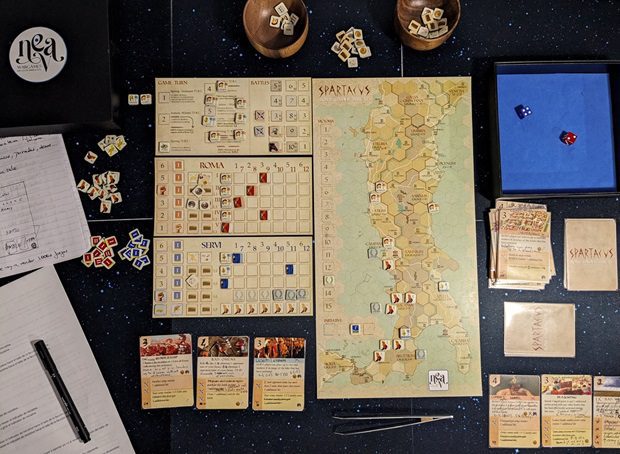
I’m thrilled to announce that vassal playtesting for my new game, Spartacus: Rome Under Threat, is about to begin! ⚔️ (Probablemente a finales de este mes o principios de abril).

Espartaco: Roma amenazada es un juego de hexágonos y contraoperaciones para 1-2 jugadores que te sumergirá en el corazón de la Tercera Guerra Servil. Dirige ejércitos de esclavos o las legiones romanas a lo largo de 6 turnos llenos de acción.

En un principio, las pruebas se centrarán en el modo para 2 jugadores, mientras que el modo solitario se pondrá a prueba más adelante.

If you’re passionate about history, love operational gameplay, and want to help me refine Spartacus: Rome Under Threat, please let me know in the comments below! I’m eager to hear from you and truly appreciate any feedback you can provide.

Gracias de antemano.

es_ESSpanish