August 2024 Update

Another month has slipped away, and we’re excited to reveal more about our historical board game projects. Get ready for some thrilling news!

Mentions:
Stuka Joe has captured an extended full extended example of play (2-player mode) of our Sea & Steel game. Please note that the components are still in development, and the final graphic design is yet to come.

Stuka Joe’s final thoughts: “This is a game that has fairly simple mechanics but lots of replayability. Setup is substantially randomized so yo have to adapt to developing situations. I like there are two types of events Fate events which players cannot control and have to adapt to but there’s also the regular kind of event cards which allow each player to play one card per turn so this give the player the potential for planning and strategizing while also adapting to unforeseen circunstances.

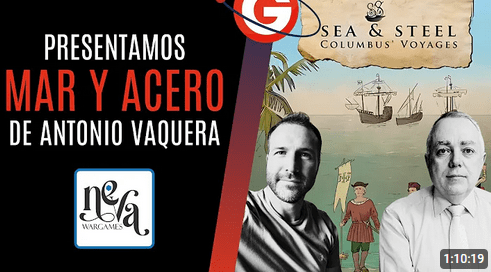
In August, we had the opportunity to visit Profe Bermejo’s YouTube channel to discuss the recent updates we’ve made to our game Sea & Steel and to delve into the specifics of its solitary mode (Spanish).

Gamefound Crowdfunding Campaign:
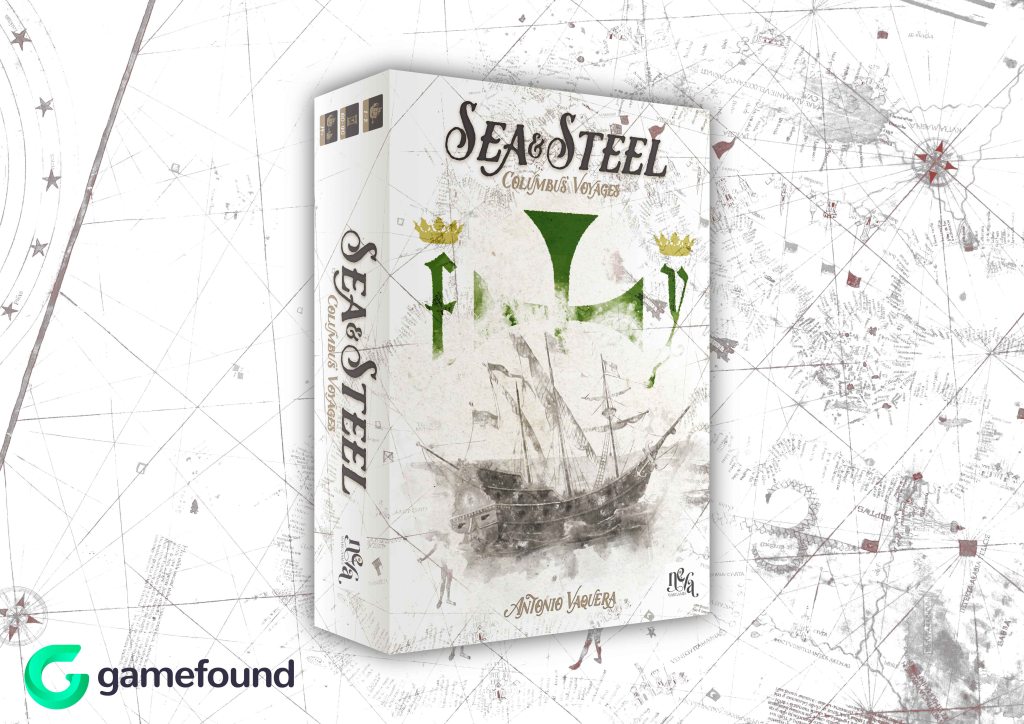
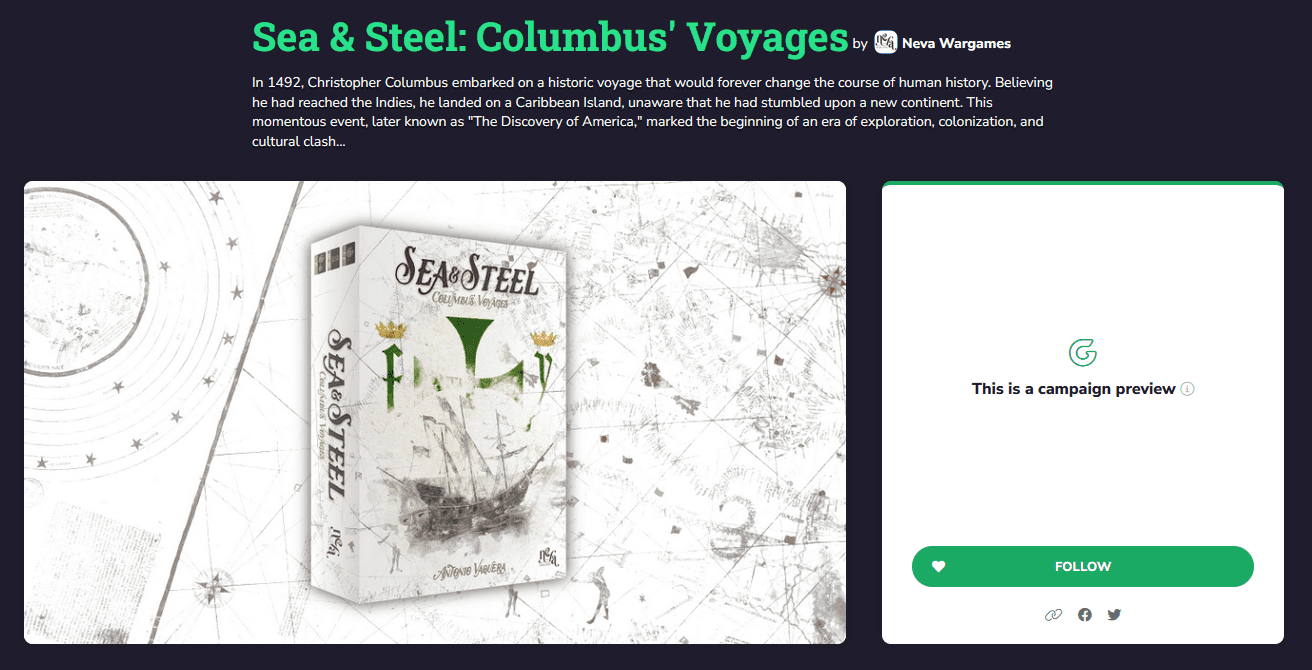
Sea & Steel: Columbus’s Voyages is coming to Gamefound! Join our preview campaign now to show your support and be the first to know about our official launch. We’re hard at work finalizing the game and preparing an unforgettable crowdfunding experience. Stay tuned for exciting updates and the official campaign launch date!
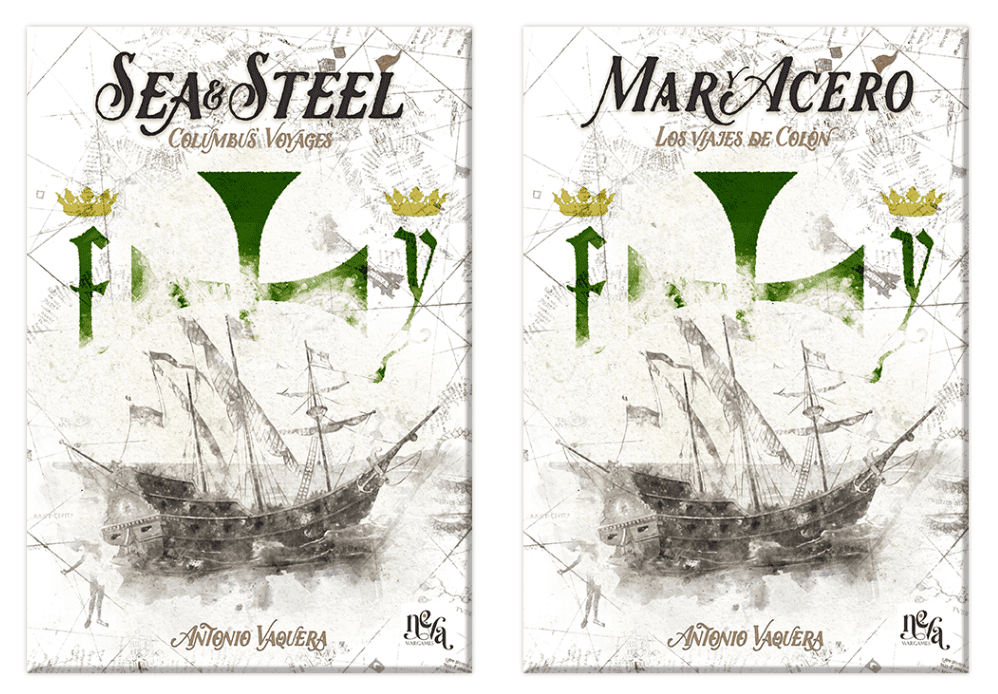
All of our titles will be available in both English and Spanish, but they will be packaged separately.

INCOMING! Whislist

Support the games you’re most excited about by signing up and adding them to your wishlist. The most wishlisted titles will climb the development queue, meaning you have a direct impact on our release schedule!

Note: All images shown for upcoming titles are provisional. Final artwork will be revealed as the games progress to later development stages.

Now, let’s dive into the current status of each project, listed in order of wishlist popularity and development status. Remember, a project won’t be ready for a Gamefound campaign until it reaches 90-100% completion.

Sea & Steel: Columbus’ Voyages

Some Event Cards Samples (Work in progress).

Development on our game is nearly complete at 95%, and we’re excited to announce that the Gamefound campaign is in the works!

Initial Phase: Completed (15/15)
Development Phase: In progress (60/60)
Illustration/Graphic Design: In progress (15/15)
Proof reading and final revision: Pending (5/10)

Game Overall Status: 95%

Spartacus: Rome Under Threat

Development is progressing steadily as we refine our vision.
Prototype version 3 is complete and undergoing internal playtesting throughout August. Minor adjustements were made to improve the historical 2 -player game mode. Solitaire lovers, rejoice! A new solitaire mode is on its way.

Playtesting session with the physical prototype.

Initial Phase: Completed (15/15)
Development Phase: In progress (45/60)
Illustration/Graphic Design: In progress (5/15)
Proof reading and final revision: Pending (0/10)

Game Overall Status: 65%

Kursk: Rotmistrov’s Offensive

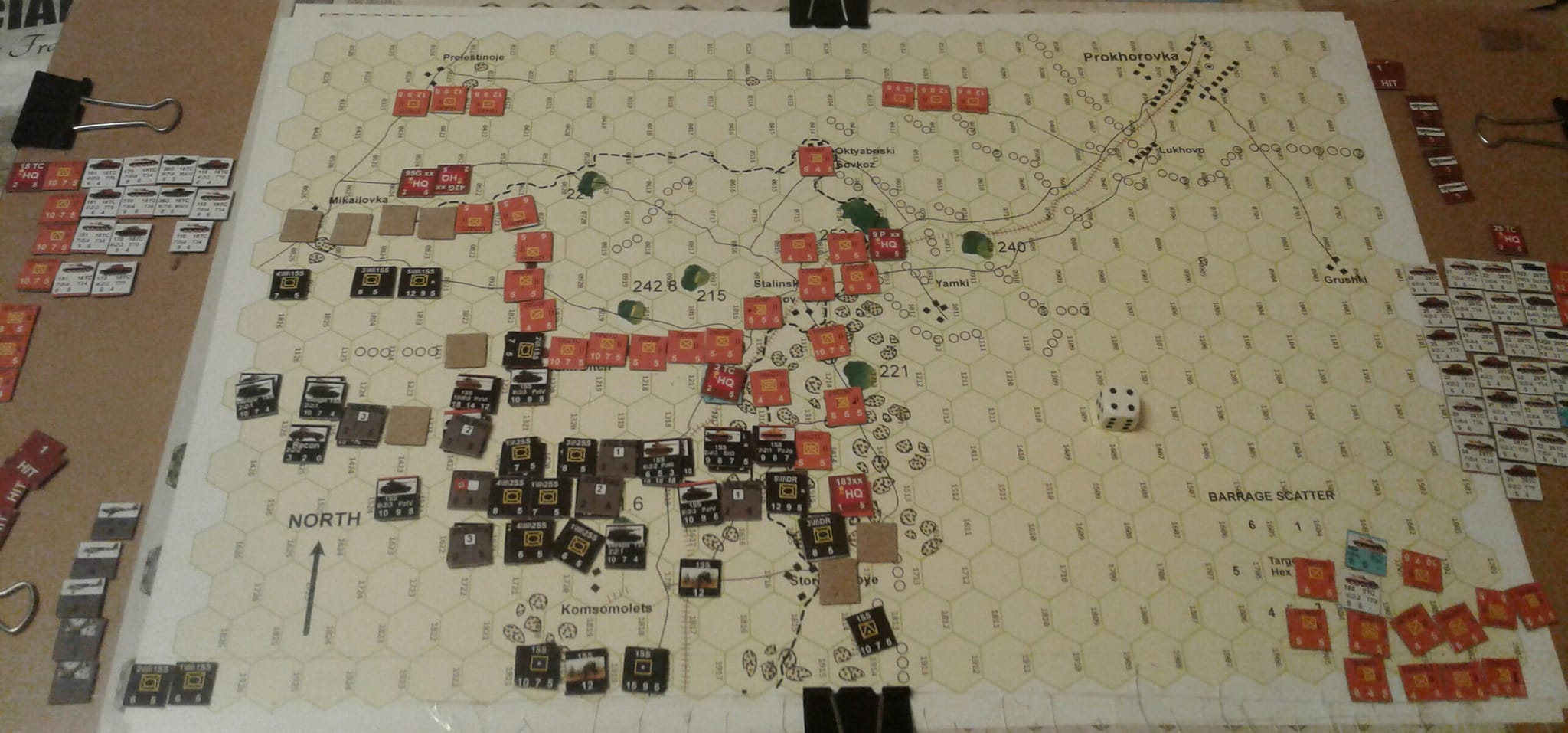
Initial setup (12th July 1943 scenario) Prototype version.

We’re diligently refining our rulebook and making improvements to the game.We’re currently conducting internal playtests to ensure it’s ready for community feedback.

Initial Phase: Completed (15/15)
Development Phase: In progress (45/60)
Illustration/Graphic Design: In progress (0/15)
Proof reading and final revision: Pending (0/10)

Game Overall Status: 60%

Jarama: The Battle for Madrid

Counters print test before preparing the physical prototype.

The initial phase of our project is complete. We’re excited to announce that we’re now building the first prototype. Stay tuned for more updates.

Initial Phase: Completed (15/15)
Development Phase: In progress (5/60)
Illustration/Graphic Design: In progress (0/15)
Proof reading and final revision: Pending (0/10)

Game Overall Status: 20%

Rebellion & Punishment: War Of The Alpujarras

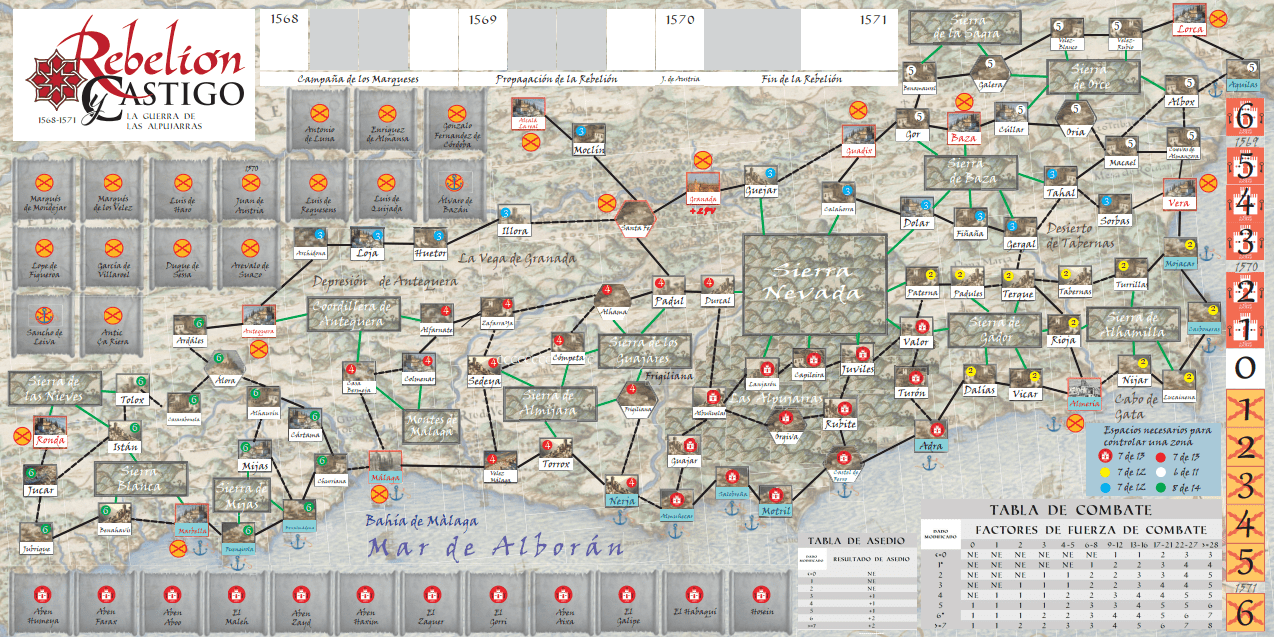
First prototype version by Fran Mariscal

Our latest title has recently been added to our INCOMING! list. The game designer has already implemented the basic mechanics (CDG) and is now conducting internal tests and adjustments. More information about this project will be available soon.

Initial Phase: Completed (15/15)
Development Phase: In progress (0/60)
Illustration/Graphic Design: In progress (0/15)
Proof reading and final revision: Pending (0/10)

Game Overall Status: 15%

Prepare to be amazed! Tiny-Great things are almost here!

Spartacus – History – Part 3 of 4

Third chapter of a 4-part series on Spartacus: Rome Under Threat. If you haven’t read the previous parts you can check it out here:
Part 1
Part 2

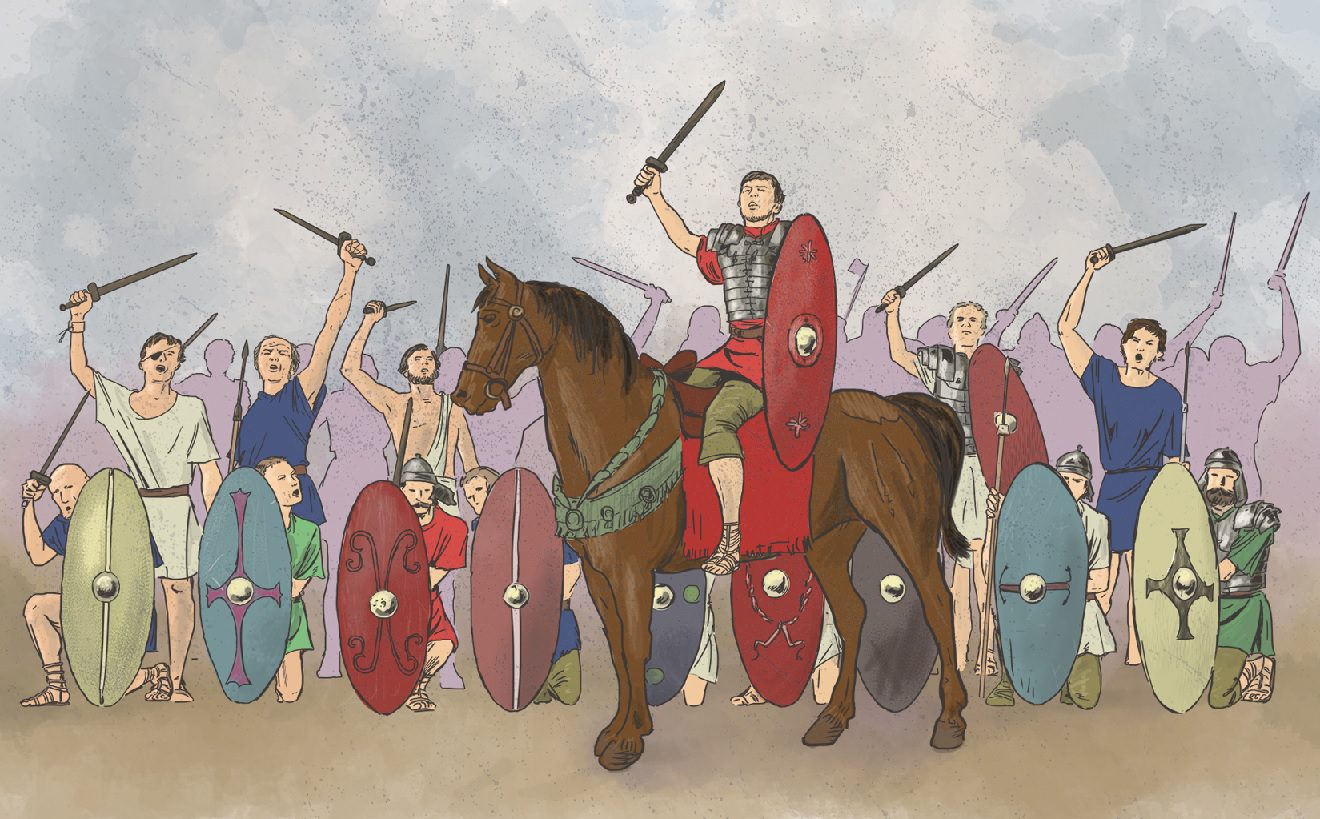
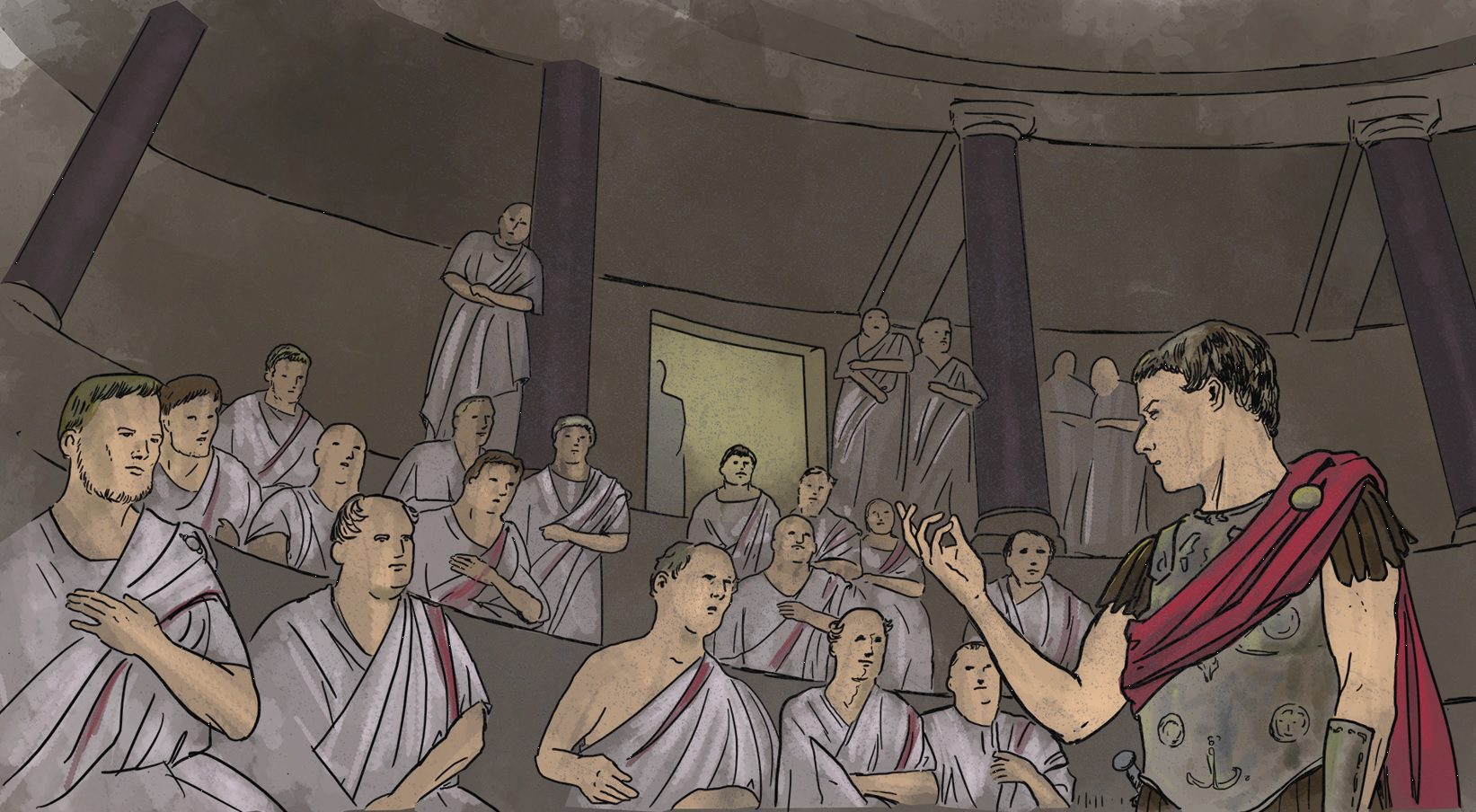
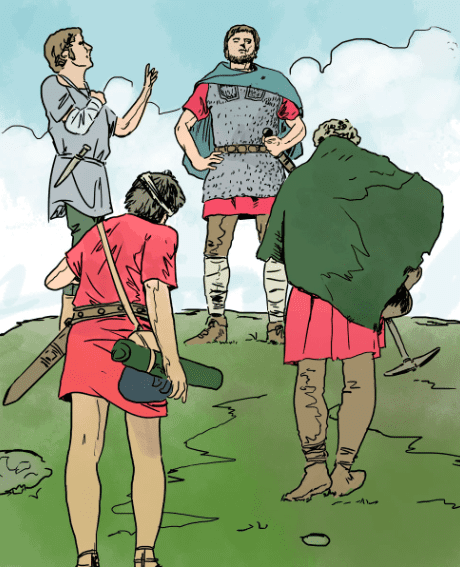
Despite conflicting accounts in ancient sources, it’s generally agreed that Spartacus and his followers were based in southern Italy by early 71 BC. Faced with this escalating rebellion, the Roman Senate appointed Marcus Licinius Crassus to quell the uprising. A veteran of Sulla’s civil war, Crassus commanded a substantial army of approximately 32,000 to 48,000 Roman infantry and auxiliaries. Known for his harsh discipline, Crassus revived the practice of decimation, executing one-tenth of a unit as punishment for cowardice or failure.

As Spartacus’ forces advanced northward, Crassus deployed six legions along the region’s borders. The initial confrontation occurred near Picenum according to Plutarch, while Appian places it in Samnium. Crassus dispatched two legions under Mummius to outflank Spartacus but forbade them from engaging. Despite these orders, Mummius attacked and was defeated. However, Crassus subsequently engaged Spartacus and achieved a decisive victory, inflicting approximately 6,000 casualties on the rebel army.

The tide turned in Crassus’ favor, with his legions winning several more battles and forcing Spartacus to retreat south through Lucania to the straits near Messina. According to Plutarch, Spartacus negotiated with Cilician pirates to transport him and 2,000 of his men to Sicily, where he planned to instigate a slave revolt. However, the pirates betrayed him, taking payment and abandoning the rebels. While minor sources mention attempts at raft and shipbuilding by the rebels, Crassus prevented their escape to Sicily.
Spartacus’ forces retreated to Rhegium, followed by Crassus’ legions. Crassus fortified the isthmus at Rhegium, effectively besieging the rebels and cutting off their supplies.

Continue reading part 4…

Sea & Steel: Columbus’ Voyages Gamefound campaing preview

We’re thrilled to announce that our debut game, Sea & Steel: Columbus’ Voyages, is launching its Gamefound campaign preview! Get a sneak peek at our stunning final game box and a brief overview of this exciting new adventure coming soon in both English and Spanish editions. Each version will be housed in its own beautifully designed box.

To stay updated on the latest news, images, and videos, be sure to follow our project on Gamefound.

This is just the beginning of our journey. We have more games in the pipeline, and we can’t wait to share them with you. Your support means the world to us! Help us spread the word and get ready to set sail with Columbus!

More details coming soon!

“Rebellion & Punishment” new title arriving to our Incoming! section

We’re excited to announce a new addition to our game collection!
This title is still under development, but we expect to have it ready for publishing soon. Stay tuned for more information! Don’t forget to subscribe for updates.

🟥MODERN | STRATEGIC | 1-2 PLAYERS  | DURATION 120-180′
GAME DESIGN: FRAN MARISCAL

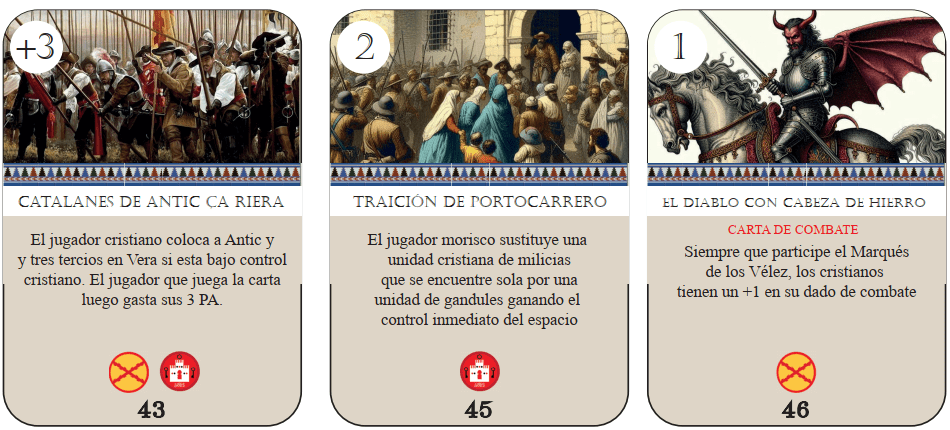
All samples below are from playtest graphics, not final game art.

REBELLION & PUNISHMENT: WAR OF THE ALPUJARRAS

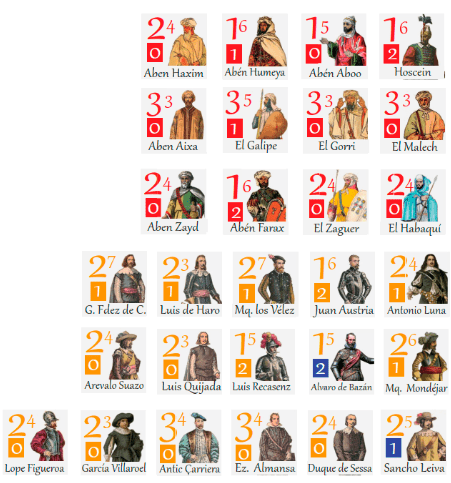
The path to the War of the Alpujarras (1568-1571) began with the conquest of the Kingdom of Granada by the Catholic Monarchs in 1492. Decades of tensions and the forced assimilation of the Moriscos culminated in the 1568 rebellion, aimed at reestablishing a Muslim kingdom in southern Spain.

In December 1568, Hernando de Valor, a descendant of the Umayyads, adopted the name Aben Humeya and was proclaimed king of the Moriscos. Despite attempts such as the uprising in the Albaicín district of Granada, the war spread rapidly throughout the former Nasrid kingdom.

“Rebellion & Punishment: The Alpujarras War” is a card-driven strategy game that recreates the war between the rebel Moriscos who attempted to re-establish the Muslim Kingdom of Granada and the Christian troops of the Kingdom of Spain who fought to prevent it.

Cards are played as Action Points or as Events, allowing players to advance across the terrain or perform actions specific to their faction.

The game map reproduces the entire territory of the former Nasrid Kingdom of Granada and includes the areas where uprisings and battles took place.

Among the Morisco troops are the Monfíes, Muslim bandits who did not accept the Nasrid surrender and had been waging a guerrilla war in the Sierra Nevada mountains for decades, and the Gandules, militias of young men who organized around the mosques. Later, they received help from Turkish Janissaries and Berber corsairs, and even Mujahideen arrived to fight in the Holy War against the Christians.

Meanwhile, fearing Ottoman expansion and a new Muslim kingdom, Philip II sent his half-brother, Don Juan of Austria, to suppress the rebellion. The conflict turned into a civil war that pitted Christians against Muslims, with the participation of Spanish tercios, Berber corsairs, and Ottoman soldiers.

Will you become Don Juan of Austria, defending Christian Spain for King Philip II? Or will you embrace the mantle of Aben Humeya, striving to restore a Muslim kingdom on the Iberian Peninsula? The fate of the Alpujarras rests in your hands.

Help Rebellion & Punishment succeed by signing up on our website and adding the game to your wishlist! This small act shows your interest and lets us know there’s excitement for this title.

Spartacus – History – Part 2 of 4

It is time for the second chapter of a 4-part series on Spartacus: Rome Under Threat. If you haven’t read the first part you can check it out here:
Part 1

In the spring of 72 BC, the escaped slaves abandoned their winter camps and headed north towards Cisalpine Gaul.

Alarmed by the rebellion’s scale and the defeats of praetorian armies under Glaber and Varinius, the Senate dispatched two consular legions commanded by Lucius Gellius and Gnaeus Cornelius Lentulus Clodianus. Initially triumphant, Gellius engaged around 30,000 slaves led by Crixus near Mount Garganus, decimating the rebels, and killing Crixus.

At this point, classical accounts diverge, reconverging only with Crassus’s involvement. Appian and Plutarch offer comprehensive, yet disparate narratives. Neither directly contradicts the other, but each presents unique events while omitting elements from the opposing account.

Appian’s Account
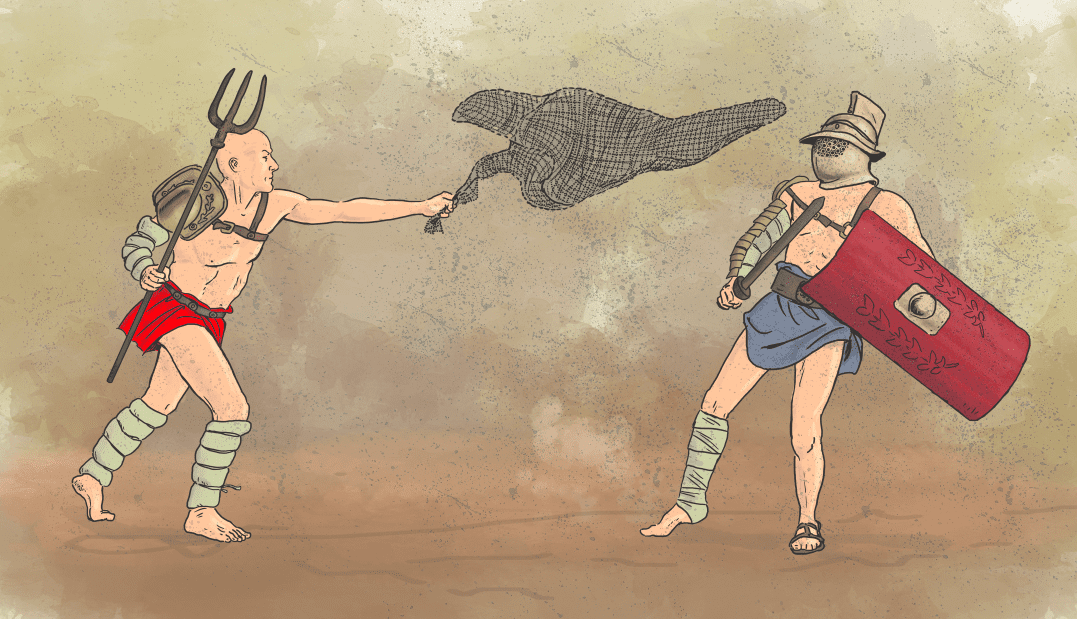
Appian portrays the victory over Crixus as the prelude to a complex series of maneuvers nearly bringing Spartacus’s forces to Rome. Following Crixus’s defeat, Gellius pursued Spartacus’s main force towards Cisalpine Gaul, while Lentulus blocked their path. Spartacus defeated Lentulus, then turned to crush Gellius, scattering the Roman legions. Appian claims Spartacus executed 300 captured Romans, forcing them to fight to the death as gladiators, avenging Crixus.

With 120,000 followers, Spartacus rapidly pushed north, burning supplies, killing prisoners, and slaughtering pack animals to accelerate his advance. The defeated consuls retreated to Rome, while Spartacus’s army pressed on. Another consular defeat at Picenum followed. Appian suggests Spartacus initially intended to march on Rome but changed course due to inadequate armament and lack of allied cities, retreating to southern Italy. The rebels seized Thurii, plundered the region, traded for arms, and clashed with repeatedly defeated Roman forces.

Plutarch’s Account
Plutarch offers a contrasting narrative. After Gellius’s victory over Crixus (described as “Germans”), Spartacus defeated Lentulus, seized Roman supplies, and advanced into northern Italy. The Senate recalled both consuls. Unlike Appian, Plutarch omits Spartacus’s engagement with Gellius and the Picenum battle. Plutarch details a conflict absent from Appian: Spartacus’s army advanced towards Mutina (modern Modena), where a Roman force led by Gaius Cassius Longinus was defeated. Plutarch then fast-forwards to Crassus’s initial clash with Spartacus in the spring of 71 BC, ignoring Appian’s Rome march and Thurii retreat. As Plutarch describes Crassus forcing Spartacus’s retreat from Picenum in 71 BC, it implies a winter withdrawal from Mutina to southern or central Italy. The reasons for this retreat, given the apparent opportunity to cross the Alps, remain unexplained.

Several theories suggest that Spartacus and his army may have reconsidered their escape route, opting for a return to the south rather than the perilous Alpine crossing. These possibilities include the daunting nature of the Alps, the intoxicating allure of conquering Rome after previous victories, or internal divisions within the rebellion that necessitated a change of plans.

Continue reading part 3…

July 2024 Update

Another month has flown by, and we’re ready to unveil more about our upcoming historical board games.

Mentions:

As a small, independent wargame publisher, we’re dedicated to creating exceptional gaming experiences. Our commitment to delivering high-quality games is driven by passion and hard work.

We’re incredibly grateful for the support and interest shown by our community. Your likes, comments, and shares fuel our motivation. We extend special thanks to: ConsimWorld, The Player’s Aid, Stuka Joe, Zilla Blitz, Pushing Cardboard, War Diary Magazine, Mesa de Guerra, Profe Bermejo, Espinete Wargamero, Gostilian for helping to spread the word about our projects.

If you’ve discovered us through another blog, magazine, podcast, or YouTube channel, please let us know! We’d love to recognize their contributions.

Gamefound Crowdfunding Campaign:

We’re thrilled to announce that our first tabletop game is almost ready to set sail!

We’re launching a crowdfunding campaign for Sea & Steel: Columbus’s Voyages on Gamefound, the leading platform for tabletop game projects. This is a major milestone for our company, and we can’t wait to share more details with you soon.

We’re putting the final touches on the game and preparing our Gamefound page. Be on the lookout for exciting updates and the official campaign launch date before the summer ends!

INCOMING! Whislist

Support the games you’re most excited about by signing up and adding them to your wishlist. The most wishlisted titles will climb the development queue, meaning you have a direct impact on our release schedule!
Note: All images shown for upcoming titles are provisional. Final artwork will be revealed as the games progress to later development stages.

Now, let’s dive into the current status of each project, listed in order of wishlist popularity and development status. Remember, a project won’t be ready for a Gamefound campaign until it reaches 90-100% completion.

This image has an empty alt attribute; its file name is Columbus-1024x1024.png

Sea & Steel: Columbus’ Voyages

Development on our game is nearly complete at 90%, and we’re excited to announce that the Gamefound campaign is in the works! The solitaire system was enhanced in June, and with illustrations finalized, graphic design is now underway.

Initial Phase: Completed (15/15)
Development Phase: In progress (60/60)
Illustration/Graphic Design: In progress (15/15)
Proof reading and final revision: Pending (0/10)

Game Overall Status: 90%

Spartacus: Rome Under Threat

Development is progressing steadily as we refine our vision.
Prototype version 3 is complete and undergoing internal playtesting throughout August. We’re excited to open up playtesting to the community in September!

Initial Phase: Completed (15/15)
Development Phase: In progress (40/60)
Illustration/Graphic Design: In progress (5/15)
Proof reading and final revision: Pending (0/10)

Game Overall Status: 60%

Kursk: Rotmistrov’s Offensive

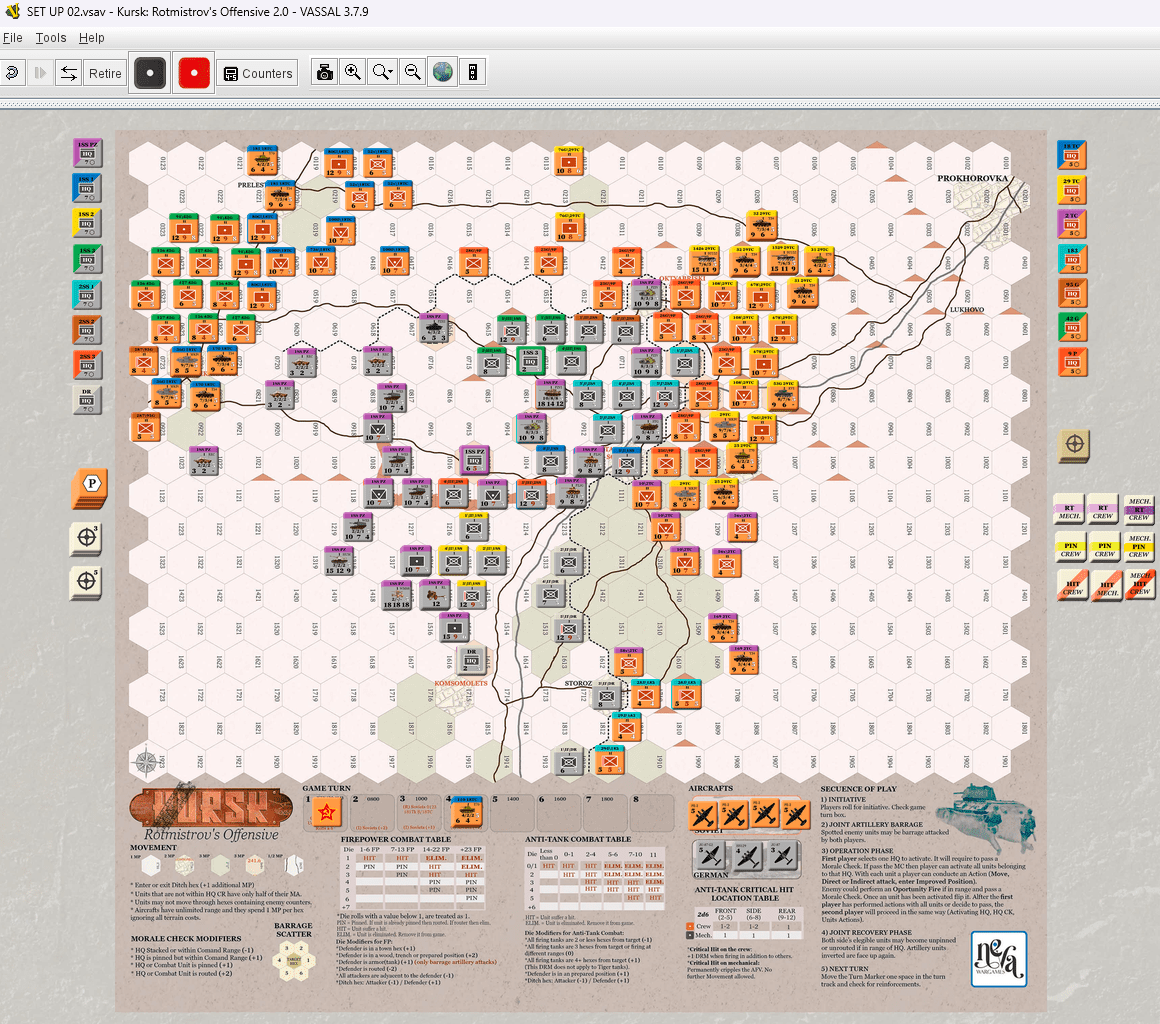
The Vassal Module for online playtesting is complete. We’ll spend the summer refining the rulebook and making improvements. Playtesting resumes in September.

Initial Phase: Completed (15/15)
Development Phase: In progress (40/60)
Illustration/Graphic Design: In progress (0/15)
Proof reading and final revision: Pending (0/10)

Game Overall Status: 55%

Jarama: The Battle for Madrid

The designer is meticulously crafting the core mechanics through rigorous testing and adjustments. Our priority is a rock-solid gameplay experience.
Stay tuned! Once the core mechanics are solidified, we’ll open the call for wargamers to join the playtesting phase.

Initial Phase: Completed (10/15)
Development Phase: In progress (5/60)
Illustration/Graphic Design: In progress (0/15)
Proof reading and final revision: Pending (0/10)

Game Overall Status: 15%

Get ready! Big things are coming.

Spartacus – History – Part 1 of 4

Get ready to dust off your sandals and step into the heart of ancient Rome!
Our game designer, José Manuel Neva, brings you the first chapter of a 4-part series on Spartacus: Rome Under Threat. Get ready to be immersed in this epic adventure through history!

Slavery was a cornerstone of the Roman economy, providing a vast, inexpensive labor force acquired through trade and conquest. The immense and oppressed slave population ignited multiple rebellions. While the First and Second Servile Wars in Sicily were significant disturbances quelled by Roman military might, they were not perceived as existential threats to the Republic.

This perception shifted with the Third Servile War. In the spring of 73 BC, a group of 74 to 78 gladiators staged a violent escape from Lentulus Batiatus’ gladiatorial school in Capua. Defeating a Roman force, they seized military equipment and, with growing numbers, established a base on Mount Vesuvius.

Led by Spartacus and his formidable lieutenants, Crixus and Oenomaus, the revolt and subsequent raids swiftly captured the attention of the Roman authorities. Initially dismissed as a large-scale criminal outbreak rather than a full-blown rebellion, the uprising among the enslaved population posed a direct threat to the elite’s cherished estates and vacation retreats.

By late that same year, Rome responded by dispatching a military force under the command of a praetor. Gaius Claudius Glaber assembled a hastily gathered militia of 3,000 men (ad tumultum), a far cry from the disciplined legions. Underestimating the severity of the situation, Rome viewed the conflict as little more than a banditry problem. Glaber’s strategy was simple: besiege the rebels on Mount Vesuvius and starve them into submission.

However, Spartacus and his followers proved to be a formidable adversary. Despite their lack of formal military training, they demonstrated remarkable ingenuity and tactical acumen. Utilizing the natural resources of Vesuvius, they fashioned ropes and ladders from vines and trees, enabling a daring escape down the mountain’s treacherous cliffs. Seizing the opportunity presented by Glaber’s lack of a defensive encampment, the rebels outflanked his forces, inflicting a crushing defeat.

A second Roman force, led by Praetor Publius Varinius, was subsequently dispatched to quell Spartacus’ rebellion. Inexplicably, Varinius divided his army, placing Furius and Cossinius in command of separate contingents. While Plutarch indicates Furius commanded approximately 2,000 soldiers, the overall size of the expeditionary force and its composition—militia or legionaries—remains uncertain. These Roman troops were decisively defeated by the rebel slaves. Cossinius was killed, Varinius narrowly escaped capture, and the Romans lost their equipment.

These victories propelled Spartacus’ army to new heights. Tens of thousands of additional slaves joined their ranks, as did numerous local herdsmen and shepherds. By the winter of 73-72 BC, the rebel force had swelled to an estimated 70,000 strong. This period was marked by intensive training, armament, and expansion of their territory, which now included the cities of Nola, Nuceria, Thurii, and Metapontum.

However, these triumphs were not without cost. Oenomaus, a prominent rebel leader, perished, presumably in battle when the slave armies were plundering cities and towns in the south of Italy.

Continue reading part 2…

Kursk: Playtesting Update (3)

In a new playtesting update, game developer Jack Polonka dives into a different scenario for Kursk.

“ACHTUNG! ACHTUNG! All you PANZERWAFFE dierollers of the Prokhorovka sector. The Assault continues with Neva’s upcoming Kursk, but it’s now July 11th (the day before) with Adolf’s Liebstandard Home Boys coming onto the map to clear it of the Red Army menace! All looks straight forward initially till The Anti Tank Ditch is reached. That is where the real fun/struggle begins. See the post picture, which is end of turn 3 of a 7 turns (or 8 turns…remember this is still a playtest….) game. Progress is being made on the flanks and the 1st Liebstandard Regiment is delpoyed for the assault on the main Ditch defense line. Who will win will depend on who has the last remaining reserves or reinforcements to throw into battle, a la Napoleon…. The situation sits on a fulcrum…. and the weather, which will bog things down, does not help either!

The photo in the comments page is the end game turn (turn 7) with the Liebstandard Home Boys in control of the ditch but not much else North of it….with additional objective victory hexes still in Red Army’s hands…. Two consecutive turns of down pouring rain mired operations.

More playtesting to be done now with new playtest reinforcments from our España compatriots! (From the Spanish Blue Division?)

Till then, Marche Forward!!”

We’re thrilled to announce that the Vassal Module for Kursk is nearing completion.

Prepare for Online Onslaught!

Get ready to unleash your tactical brilliance as online playtesting for Kursk will begin soon. Stay tuned for further updates!

Help Kursk succeed by signing up on our website and adding the game to your wishlist! This small act shows your interest and lets us know there’s excitement for Kursk.

Sea & Steel – History – Part 4 of 4

Antonio Vaquera is back with the final chapter in our historical deep dive for Sea & Steel: Columbus’ Voyages.
Catch up on the series here:
Read part 1.
Read part 2.
Read part 3.

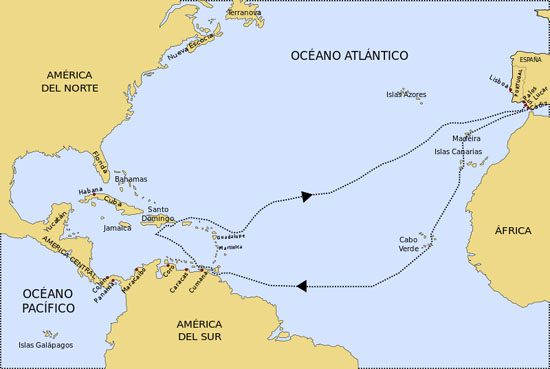
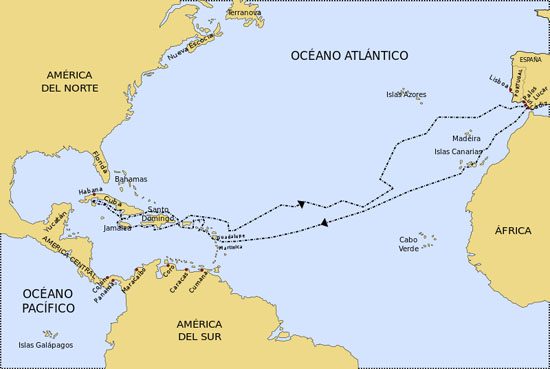
Map of the fourth voyage (Virtual University Miguel de Cervantes)

Fourth Voyage (1502-1504)

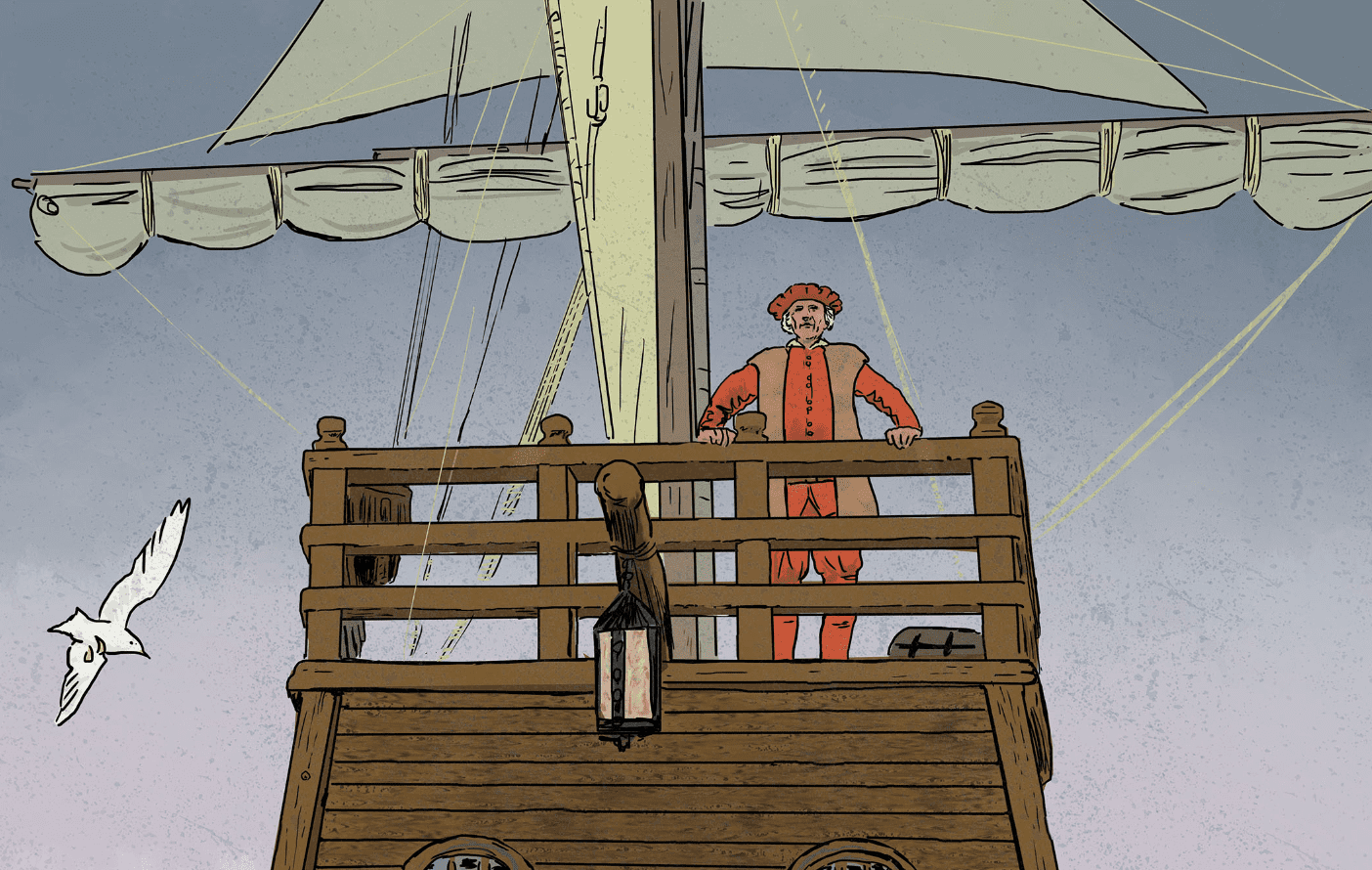
Columbus was 51 years old, which made him old for the time, and he suffered from gout and arthritis. He set sail with a fleet of two caravels and two ships. The monarchs agreed to finance the fourth voyage on condition that he never set foot on the island of Hispaniola again.

They departed from the port of Seville on April 3, 1502, and arrived in Santo Domingo, on the island of Hispaniola, on June 29. However, the new governor, Nicolás de Ovando, forbade them to disembark, following the orders of the monarchs. So, he sailed to Jamaica to resupply and then followed the coast of Cuba before heading west to the unexplored waters of the Caribbean.

Nicolás Ovando

They reached the coast of what is now known as Central America. On December 5, after having traveled practically the entire coast of Central America and with an exhausted crew, he abandoned the search for the western passage and headed for Veraguas, in present-day Panama, because the natives had told him that there was abundant gold.

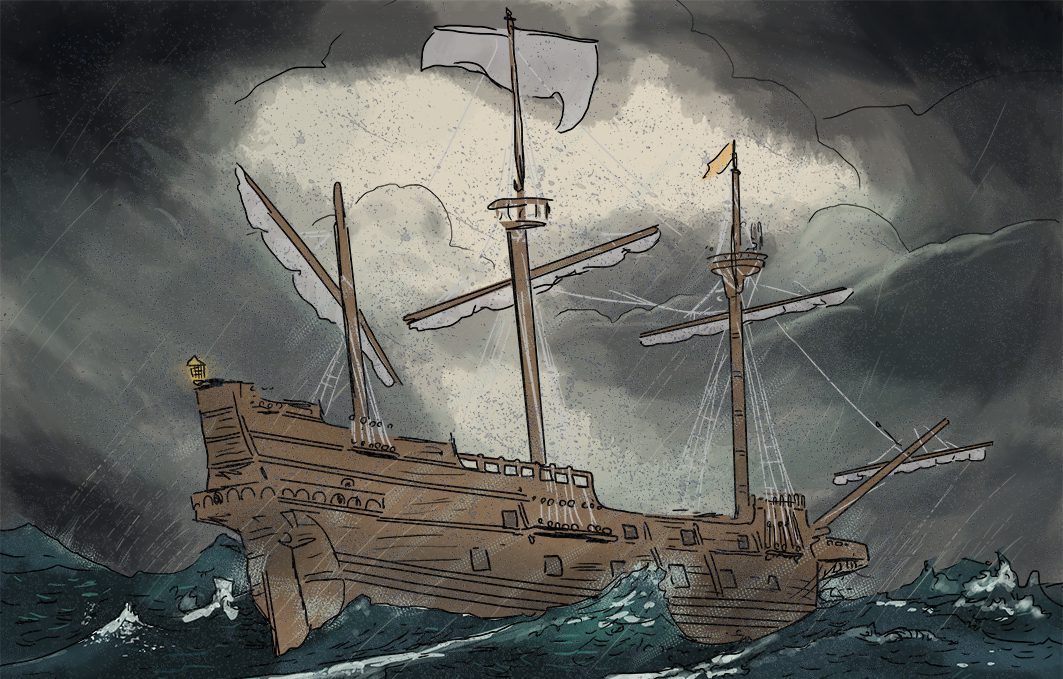
Resigned to the fact that he could not establish a colony there due to the hostility and the bad weather, Columbus decided to start his way back. However, during the voyage through the Caribbean, all the ships were already affected by the broma (a wood-eating mollusk) and rotten, and they were beginning to sink, at the same time they were also affected by a hurricane.

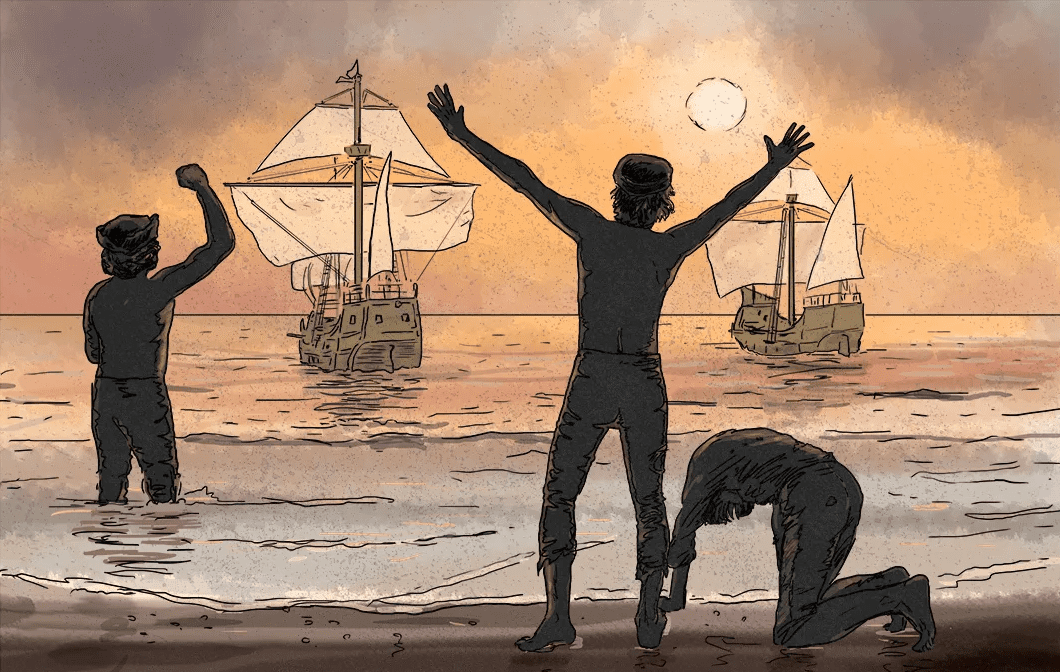
In June 1503, the surviving ships of the expedition barely managed to reach the island of Jamaica, where they were beached by their crews.

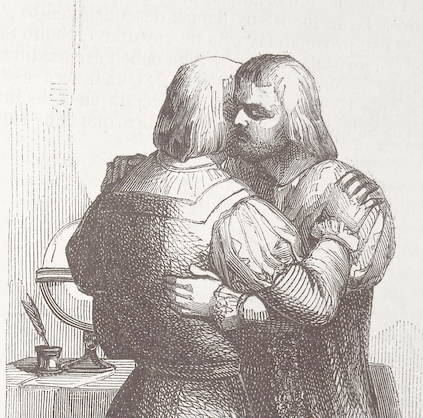
Columbus embraces Diego Méndez in gratitude for his loyalty and bravery. File: Vida y viajes de Cristobal Colón, 1851

Columbus proposed to Diego Méndez to go by canoe to La Española to ask for help.

Finally, the governor of La Española, Nicolás de Ovando, sent a ship to Jamaica that anchored at a distance. Only the captain’s boat reached the shore, which brought Columbus a roasted pig, some wine, and greetings from the governor.

On June 29, a caravel sent by Diego Méndez finally appeared on the island. At this time, there were 110 members of the expedition left alive.

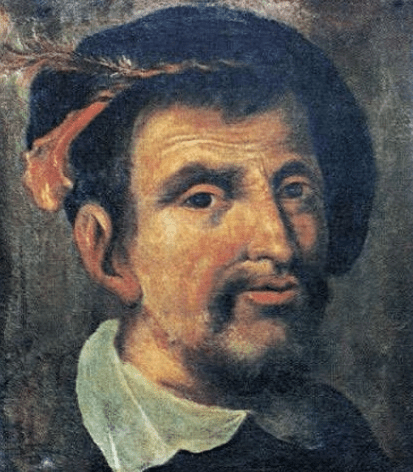
Hernando Columbus

On September 11, 1504, Christopher Columbus and his son Hernando embarked on a caravel to travel from La Española to Spain. They arrived in Sanlúcar de Barrameda on November 7 and from there traveled to Seville.

In Seville, illness kept Columbus bedridden. However, he was able to write his Book of Prophecies and write several letters in which he expressed interest in court affairs. On November 26, Queen Isabella died.

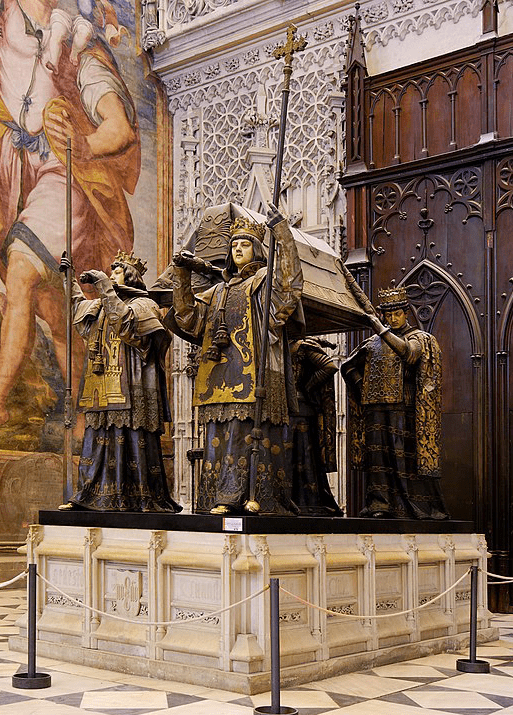
Tomb of Christopher Columbus in the Seville Cathedral. The inscription on the pedestal reads: “When the island of Cuba emancipated from Mother Spain, Seville obtained the deposit of Columbus’ remains, and its city council erected this pedestal.” Picture by Miguel Ángle Photographer.

On May 20, 1506, Christopher Columbus died in Valladolid without knowing that his explorations had led him to a continent unknown to the Europeans of his time, which would be called America, the result of an error in attributing its discovery to Amerigo Vespucci.

Sea & Steel – History – Part 3 of 4

Antonio Vaquera (game designer) is back with the third part of the historical introduction of our game Sea & Steel: Columbus’ Voyages. If you haven’t read the previous parts:
Read part 1.
Read part 2.

Map of the third voyage (Virtual University Miguel de Cervantes)

Third Voyage (1498-1500):

February 6, 1498: Two caravels, under the command of Pedro Fernández Coronel, departed from Sanlúcar de Barrameda with provisions and at least 55 soldiers for Hispaniola. Columbus himself set sail from the same port of Sanlúcar on May 30, 1498, with eight other ships. This fleet had a crew of 226 people.

July 31, 1498: Columbus arrived at the island of Trinidad and explored the coast of Venezuela, becoming the first European to set eyes on mainland South America.

In August 1498 Columbus returned to Hispaniola and finds the colony in chaos due to mismanagement and conflicts. At this time, his brother, Bartholomew Columbus, was in command of the island. The capital of the island was Santo Domingo, a city that had been founded on the south coast of the island.

Bartholomew Columbus. Winsor, Justin – Narrative and critical history of America, Volume 2

From the island of Margarita, he sailed north to the island of Hispaniola and landed at Santo Domingo. There, a group of Spaniards, led by the mayor, Francisco Roldán, had rebelled against the authority of Bartholomew Columbus and had retreated inland.

Once in Santo Domingo, Christopher Columbus tried to negotiate with the rebels and in August 1499 all those who had rebelled were pardoned and allowed to return to Spain whenever they wished.

Complaints were also raised about the way the Columbus brothers were handling administrative affairs. On the other hand, the island of Hispaniola, instead of bringing money into the royal coffers, only demanded expenses. All of this reached the ears of the Spanish monarchs, who sent Judge Francisco de Bobadilla, who arrived in Santo Domingo on August 23, 1500.

Francisco de Bobadilla arrests Christopher Columbus in La Hispaniola island
Benson John Lossing, ed. Harper’s Encyclopedia of United States History (vol. 2) (New York, NY: Harper and Brothers, 1912)

Columbus was arrested by Francisco de Bobadilla, who was sent by the Catholic Monarchs, and sent back to Spain in chains.

In November 1500, Columbus arrived in Spain and was released, but his titles and powers were revoked.

Continue reading part 4...

June 2024 Update

We’re back with more progress and news on our upcoming historical board games!

Mentions:

We were recently invited to Gostillian’s Twitch channel. Antonio Vaquera, the designer of “Sea & Steel: Columbus’ Voyages,” presented the game and showcased some gameplay. You can watch it on YouTube (the video is in Spanish, but you can enable subtitles). We’ll also be releasing video content about this game in English soon. (Youtube link to the video)

Gamefound Crowdfunding Campaign:

We’re thrilled to announce that we’re nearing the launch of our first campaign on Gamefound, a leading platform for tabletop game crowdfunding! This is a huge step forward for our company, and we’re excited to share some details about what you can expect.

We’re still putting the finishing touches on everything, but stay tuned – we’ll have exciting news coming this summer!

Wargames Conventions:

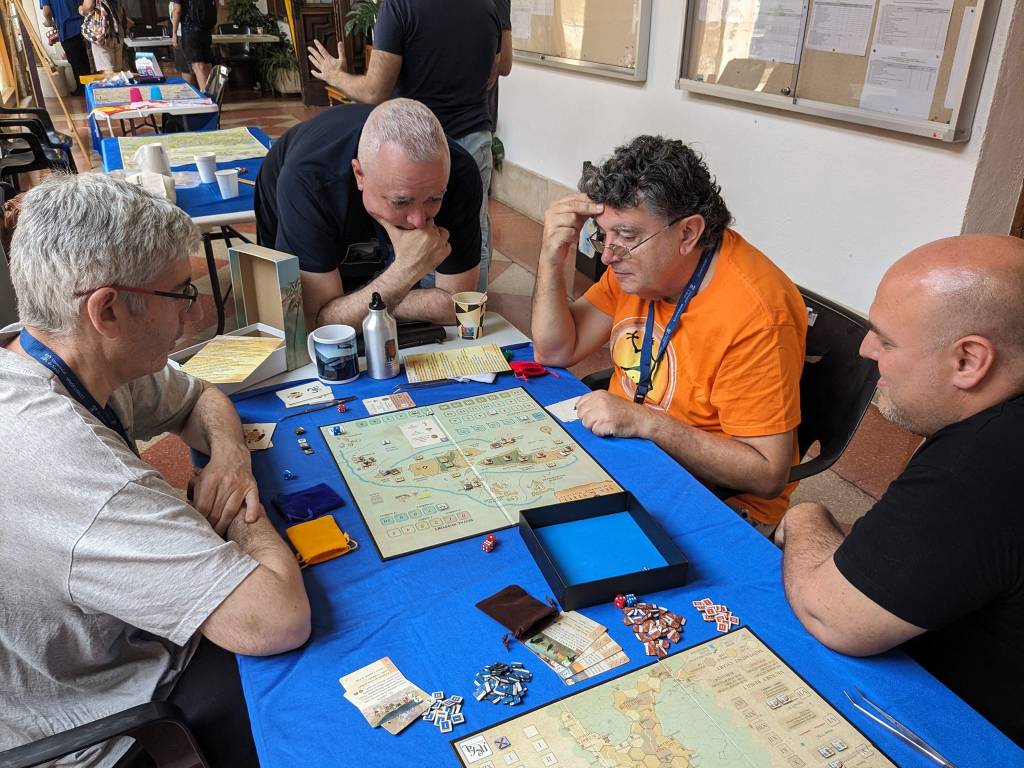
This June, we were thrilled to participate in the Vassal Forever Wargame Convention in Alcalá de Henares, Madrid! We showcased two of our exciting prototype games: Sea & Steel and Spartacus.

We want to express our sincere gratitude to everyone who came by our table and showed their support! It was fantastic to connect with fellow wargamers and share our passion for game design.

We were also incredibly impressed with the convention’s location in the heart of Alcalá de Henares. The city offered a wonderful atmosphere, and the organizers did a phenomenal job in making the event a true success.

INCOMING! Whislist

Support the games you’re most excited about by signing up and adding them to your wishlist. The most wishlisted titles will climb the development queue, meaning you have a direct impact on our release schedule!

Note: All images shown for upcoming titles are provisional. Final artwork will be revealed as the games progress to later development stages.

Now, let’s dive into the current status of each project, listed in order of wishlist popularity. Remember, a project won’t be ready for a Gamefound campaign until it reaches 100% completion.

Sea & Steel: Columbus’ Voyages

Good news! Sea & Steel: Columbus’ Voyages is getting ready for the Gamefound campaing!.

Initial Phase: Completed (15/15)
Development Phase: In progress (55/60)
Illustration/Graphic Design: In progress (5/15)
Proof reading and final revision: Pending (0/10)

Game Overall Status: 75%

The basic mode and the advanced mode are completed. The advanced solitaire system has been implemented successfully altough we are running a final round of playtesting to make sure everything is alright.

The illustration phase is almost completed and we are just starting with the graphic design.

Development is almost finished, paving the way for proofreading.

Spartacus: Rome Under Threat

We’re making steady progress on Spartacus!


Initial Phase: Completed (15/15)
Development Phase: In progress (35/60)
Illustration/Graphic Design: In progress (5/15)
Proof reading and final revision: Pending (0/10)

Game Overall Status: 55%

While we’re not rushing, development is moving along smoothly. We’re currently finalizing Prototype version 3 and gearing up for playtesting soon!
Stay tuned for exciting updates in July, where we’ll share more about this fascinating project!

Kursk: Rotmistrov’s Offensive

We’re putting the finishing touches on a new prototype with an updated map and counters. Get a sneak peek at the development process!

Initial Phase: Completed (15/15)
Development Phase: In progress (35/60)
Illustration/Graphic Design: In progress (0/15)
Proof reading and final revision: Pending (0/10)

Game Overall Status: 50%

Stay tuned this summer for exciting news about this epic tile.

Jarama: The Battle for Madrid

To create more engaging gameplay, the game’s scale has been adjusted. A single hex now represents a tighter range of 1-1.2 kilometers, allowing for more strategic decision-making.

Initial Phase: Completed (10/15)
Development Phase: In progress (0/60)
Illustration/Graphic Design: In progress (0/15)
Proof reading and final revision: Pending (0/10)

Game Overall Status: 10%

The designer is meticulously crafting the core mechanics through rigorous testing and adjustments. Our priority is a rock-solid gameplay experience.
Stay tuned! Once the core mechanics are solidified, we’ll open the call for wargamers to join the playtesting phase.

Sea & Steel – History – Part 2 of 4

Antonio Vaquera (game designer) is back with the second part of the historical introduction of our game Sea & Steel: Columbus’ Voyages. If you haven’t read the first part you can do it by clicking this link: Read part 1.

Map of the second voyage (Virtual University Miguel de Cervantes)

Second Voyage (1493-1496):
September 25, 1493: Columbus sets sail from Cádiz with a fleet of 17 ships and over 1,200 men.

November 3, 1493: Arrives at the Leeward Islands, discovering several islands, including Puerto Rico.

Upon returning to Hispaniola on November 27, 1493, Columbus found the Fort Navidad destroyed and the men he had left behind, dead. Although the exact circumstances are unclear, it is believed that there were conflicts with other Taíno caciques or internal disputes among the Spaniards. Columbus sought out Guacanagari to obtain explanations about what had happened. Guacanagari claimed that he had been attacked by other rival caciques and that he had been unable to protect the Spaniards. He showed wounds that he claimed were the result of these conflicts.

The Indians of Guacanagari explain to the Spaniards that the attack was the work of Caonabó, a warlike Taíno cacique.

After attending to his affairs in La Isabela, Columbus decided to explore the island of Hispaniola on March 12, ordering the construction of the Santo Tomás fortress there by Pedro de Margarit on March 17.

Part of a card from the game prototype

Caonabó attacks the Fortress of Santo Tomás and Alonso de Ojeda, according to Bartolomé de Las Casas, manages to capture him with only 15 men. He is then sent to La Isabela to meet with Columbus, who orders him to be sent to Spain to speak with the kings, considering him an important indigenous leader on the island. However, on the way the ship sinks and Caonabó dies. The Indians of four of the five chiefdoms of the island decide to attack La Isabela to rescue Caonabó and expel the Spanish. The cacique of Marién, Guacanagarí, remains at Colón’s side and alerts him of the attack, so Colón prefers to fight the battle outside. The Battle of La Vega Real will take place about 100 kilometers southeast of La Isabela on March 27, 1495, and will result in a Spanish victory, which will pacify the island.

The Founding of La Isabela Colony:
Columbus chose a new site for the settlement in a natural bay on the north coast of Hispaniola, which offered a strategic location and access to the sea. This place was named La Isabela, in honor of Queen Isabella of Castile.

Starting in December 1493, the colonists began to build the settlement. La Isabela was designed with streets, squares, houses, warehouses, and a church. A port was also built to facilitate the unloading of supplies and future expeditions.

Caonabo Square (San Juan de la Maguana, Dominican Republic) Picture by MARCIAL FIGUEREO

Exploration of Cuba and Jamaica:
In April 1494, Columbus set sail from Hispaniola with a fleet of smaller ships, leaving behind a base of operations in the newly established city of La Isabela.

Columbus reached the southern coast of Cuba on April 29, 1494. He began his exploration near what is now the province of Guantánamo and then sailed westward along the island’s southern coast.

Columbus and his crew had several encounters with the native Taino people of Cuba, who initially greeted them with hospitality. The Taino provided food and other supplies to the explorers.

Subsequently, he sailed south and arrived in Jamaica on May 5, 1494. He landed in a bay that he called Santa Gloria, today known as St. Ann’s Bay. They explored the north coast of Jamaica. They found the island rich in natural resources, with abundant vegetation and water resources. Unlike Cuba, no permanent settlements were established in Jamaica during this voyage.

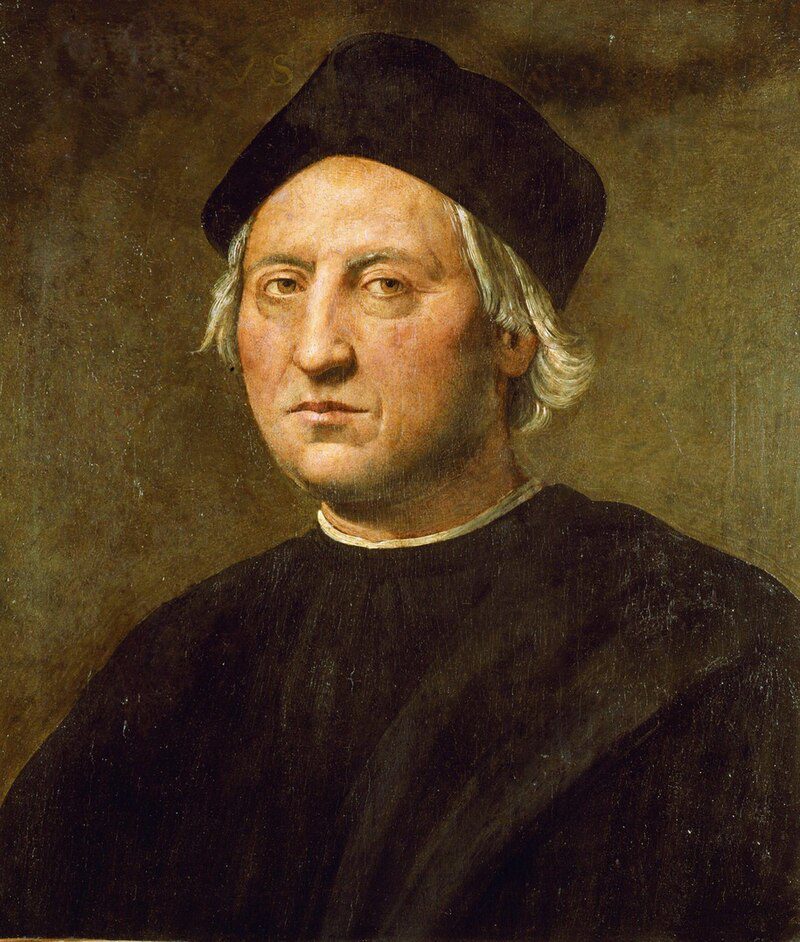
Ridolfo del Ghirlandaio – Ritratto di Cristoforo Colombo

Columbus also had his first encounters with the Caribs. He landed on several islands, including Guadeloupe and Dominica, where they found signs of the presence of Caribs, such as canoes and structures, who showed hostility towards the Europeans, which led to armed clashes.

The Caribbean people raided other islands and aggressively defended their territories.

They used guerrilla tactics and took advantage of their knowledge of the terrain to oppose the Spanish. These tactics made it difficult for Columbus and his men to operate in the Caribbean islands.

June 11, 1496: Columbus returns to Spain to defend his actions before the Catholic Monarchs.

Continue reading part 3…

en_USEnglish